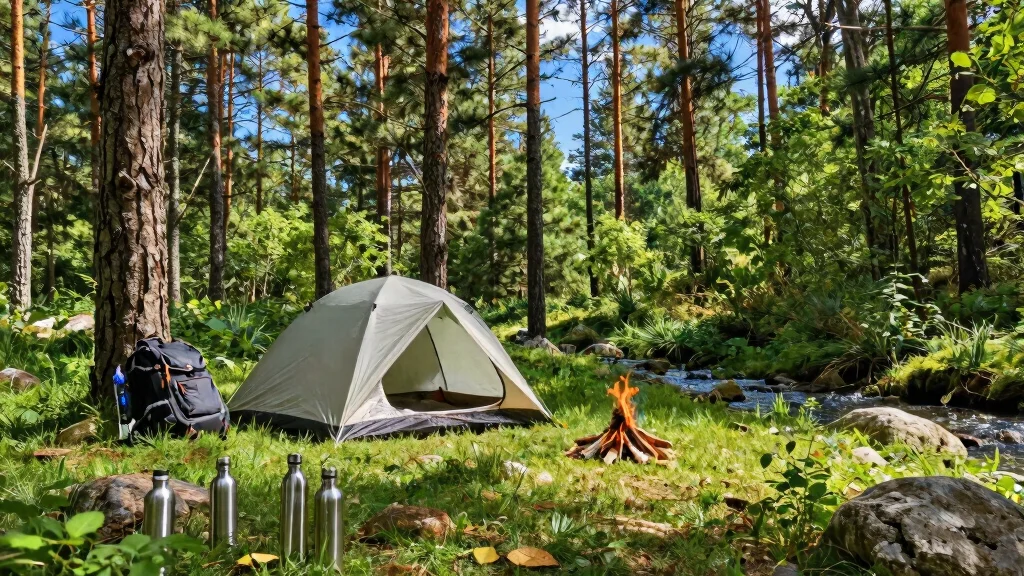
Dry camping can be an adventurous escape, allowing you to immerse yourself in nature without the clutter of modern amenities. However, it also poses unique challenges, especially when it comes to managing water and waste. I created this post to help fellow outdoor enthusiasts navigate these challenges. Whether you’re an experienced camper or a newbie, the goal here is to offer practical solutions that enhance your off-grid experience while promoting eco-friendly habits.
If you’re someone who cherishes the great outdoors and is passionate about sustainable travel, this guide is tailor-made for you. You’ll discover 16 ingenious hacks that focus on water conservation techniques, smart waste disposal methods, and efficient power management. These tips are not just for reducing your impact on the environment; they are also about maximizing your camping enjoyment without unnecessary stress.
By the end of this post, you’ll be equipped with actionable strategies to conserve water, manage waste effectively, and embrace a greener way of camping. From smart water storage solutions to eco-friendly personal hygiene practices, each hack aims to make your dry camping experience cleaner and more enjoyable. So, pack your bags, and let’s dive into these essential tips that will transform the way you camp!
Key Takeaways
– Discover smart water storage solutions to ensure you bring just the right amount of water for your trip.
– Learn about various water filtration systems that can provide safe drinking water from natural sources.
– Find out how to shower and cook with minimal water while still enjoying the comforts of home.
– Explore eco-friendly dishwashing techniques that save water and keep your camping area clean.
– Understand efficient waste disposal methods, including portable toilets, to manage waste responsibly while camping off-grid.
Recommended Products

Non-Toxic Materials: Crafted from high-quality PET PA PE plastics that are free from harmful chemicals like BPA, PVC, and DEHP. Ensures no harmful chemicals leach into stored beverages, making it a safe choice for you and your family

【 Portable Camping Water Jug 】 This collapsible water container is lightweight, foldable, and easy to store — perfect as a camping water container. Ideal for travel, outdoor activities, and emergency storage.

【 Portable Camping Water Jug 】 This collapsible water container is lightweight, foldable, and easy to store — perfect as a camping water container. Ideal for travel, outdoor activities, and emergency storage.
1. Smart Water Storage Solutions
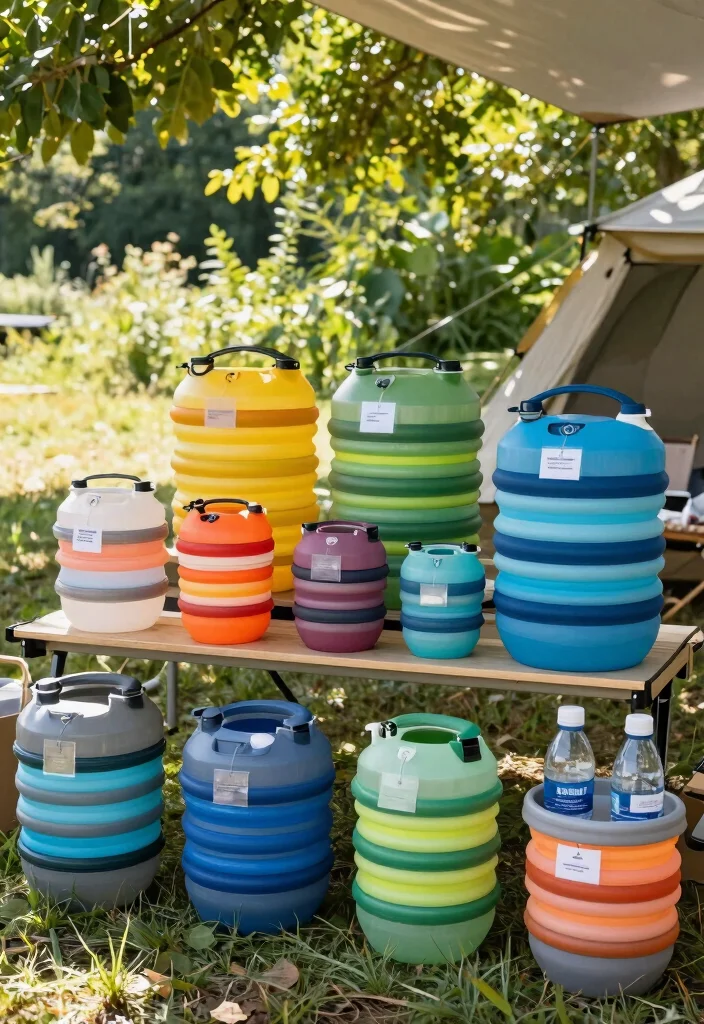
When you’re out dry camping, having a solid plan for water storage is essential. Opt for large, collapsible water containers that save space when not in use while providing enough water for your needs. Many of these containers even come equipped with spigots, making it easy to dispense water without spills.
Mix smaller and larger bottles for flexibility in both storage and transport. You can also repurpose old soda bottles or jugs as lightweight water reservoirs, which can be quickly filled at nearby sources. Always keep your water containers shaded to prevent heating and algae growth, and remember to label them clearly to avoid any mix-ups.
Key steps for smart water storage:
– Use collapsible containers for efficient storage.
– Repurpose old bottles for extra water supply.
– Label all containers clearly to avoid confusion.
This approach ensures you have a reliable water supply while maximizing your camping experience.
Recommended Products
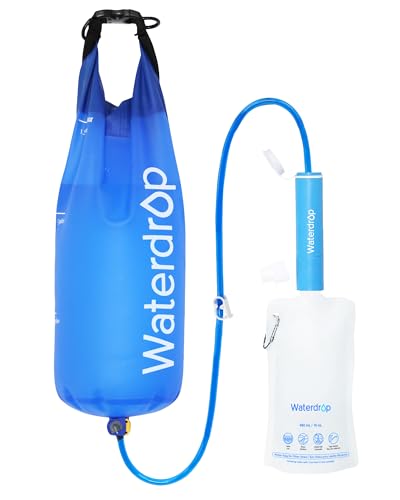
5-Stage Efficient Filtration: With adoption of premium-quality 0.1 um ultrafiltration membrane and other raw materials, the Water Filter Straw can effectively reduce harmful substances like chlorine, particulates, sediment, stones, sand, dirt, bad taste &odor in water to ensure the water safety and deliver better drinking experience.

Removes Bacteria & Parasites: The Microfiltration Membrane Removes 99.999999% of Waterborne Bacteria (Including E. Coli and Salmonella), and 99.999% of Waterborne Parasites (Including Giardia and Cryptosporidium) - Essential for Your Survival Kit
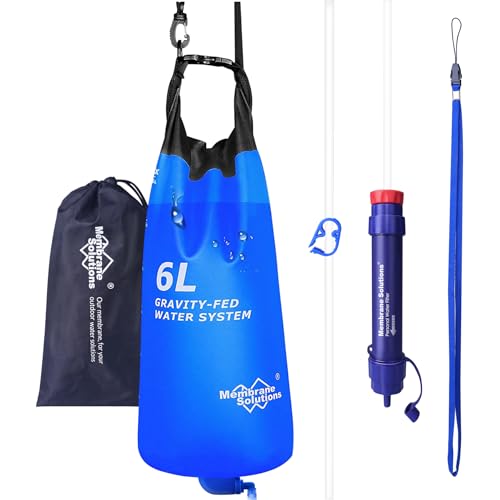
Built for Group Camping - Designed for camping, backpacking, and emergency preparedness, this 6L gravity water filter system provides fresh drinking water for 3–6 people. Ideal for basecamp, group trips, and survival situations where water matters most.
2. Water Filtration Systems
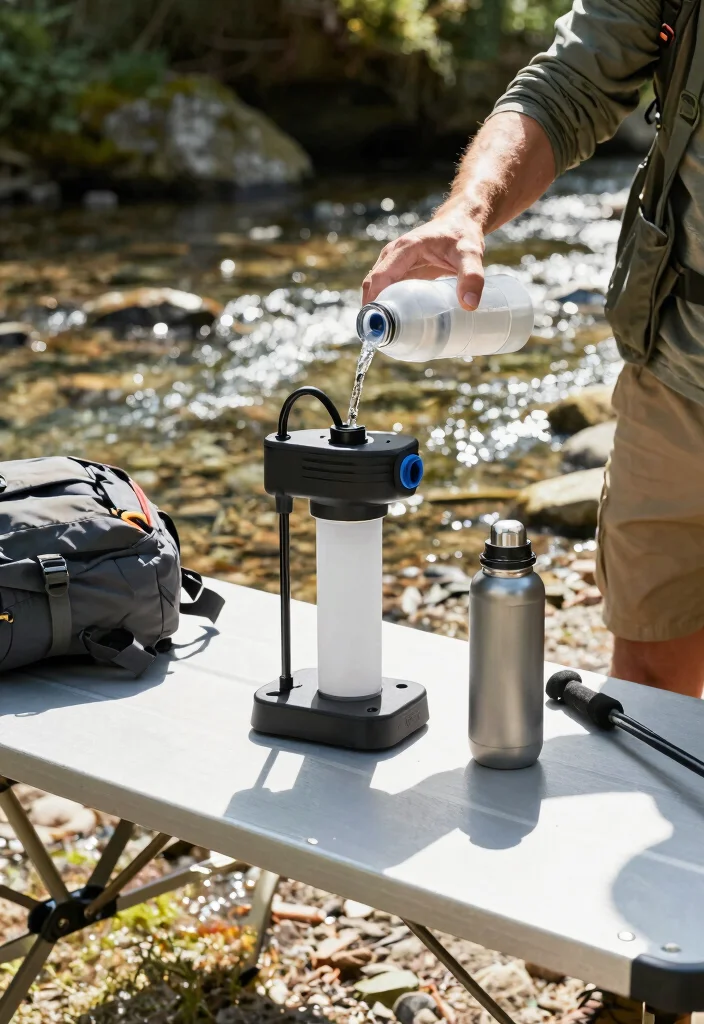
A portable water filtration system is a must-have for anyone dry camping. It allows you to purify water from lakes or streams, giving you confidence in your drinking supply. Most models are compact and fit easily in your backpack.
The best systems use activated carbon filters to enhance taste and remove impurities, while some even utilize UV light to kill harmful bacteria. This way, you can fill your bottles from natural sources without worry. Pairing your filtration system with a reusable bottle not only reduces plastic waste but also promotes eco-friendly hydration.
Tips for choosing a filtration system:
– Choose a model that’s lightweight and easy to use.
– Regularly clean and maintain your filter for optimal performance.
– Carry a reusable bottle to further minimize waste.
With this setup, you can enjoy safe water while being kind to the environment.
Recommended Products

PORTABLE WATER CONTAINER – Lightweight, easy to transport portable 5-gallon water container is ideal for camping, RVing, emergency management, and off-road adventures

Meticulously crafted from food-grade polyethylene plastic that does not add taste, odor, or chemicals to the water; Clean water contained in this 5 gallon jug will stay clean

PORTABLE 2.6 GALLON CAPACITY WATER CONTAINER: This compact camping water container has a 2.6-gallon capacity and features a space-saving rectangular design that fits easily into your vehicle or camping gear for easy storage and transportation. Perfect for camping trips, hiking, and emergency preparedness. Easily carry enough water for cooking, cleaning, or drinking wherever you go
3. Showering with Minimal Water

Staying clean while camping can be tricky, but you don’t need a full shower to freshen up. Consider using a solar shower bag that heats water during the day for a warm rinse without wasting precious water.
An alternative is the sponge bath method, where a damp cloth and just a few cups of water do the trick. Be sure to pack biodegradable soap to protect the environment. Efficient shower techniques not only help you stay clean but also conserve your water supply!
Effective showering methods:
– Use a solar shower bag for warmth and efficiency.
– Incorporate sponge baths for a thorough clean with less water.
– Opt for biodegradable soap to minimize your impact.
This way, you can maintain hygiene while being mindful of water usage.
Fun fact: A 5-liter solar shower bag can heat water to about 40°C in full sun, letting you rinse without wasting precious water. A quick sponge bath with a damp cloth and just a few cups of water can keep you fresh—eco-friendly and efficient.
Recommended Products

【Heat Absorbing Design for Portable Shower】This solar shower bag is made by environmental friendly and leak proof materials which are safe to human health. It heats water to 113°F (45°C) in 3 hours with direct sunlight. No need for gas or electricity to enjoy a warm shower outdoors!

【All-in-One Portable Shower for Camping】Enjoy a refreshing camp shower with our portable shower for camping, complete with a 6.6-gallon foldable bucket and portable shower pump. The including immersion water heater ensures a warm portable hot shower, making it a must-have camping accessory.
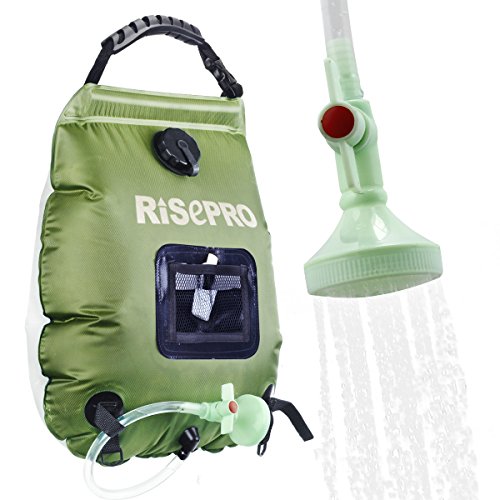
TOP QUALITY MATERIALS – RISEPRO shower bag is made by environmental friendly materials which are safe to human health. This deluxe version with multiple layers can further enhance the leak proof feature and make it even more durable!
Showering with Minimal Water
Editor’s Choice
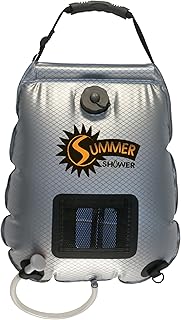
Advanced Elements – Summer Shower/Solar Shower – Different Capacity – Sh…


Teamaze Portable Shower,12L/3.2 Gal Solar Camping Shower Bag with Auto P…

KingCamp Solar Shower Bag, Leak-Proof Design Camping Shower Bag with The…

Aircity Portable Solar Camping Shower Bag with Foot Pump & Upgraded Leak…

5 Gal/3 Gal Solar Shower Bag, Solar Heating Camping Shower Bag, On-Off S…
4. Cooking with Less Water

Cooking outdoors doesn’t mean you have to waste water. Try the one-pot cooking method, which allows you to prepare meals in a single container. This not only saves water for cleanup but also blends flavors beautifully as everything simmers together.
Meals like stir-fries, stews, or pastas require minimal water and can be made with dry ingredients. If boiling pasta or grains, save some cooking water for future use, such as watering plants or cleaning dishes.
Cooking efficiently:
– Opt for one-pot meals to cut down on cleanup water.
– Use dry ingredients for efficient cooking.
– Save cooking water for other uses.
This method simplifies meal prep while conserving water.
Recommended Products
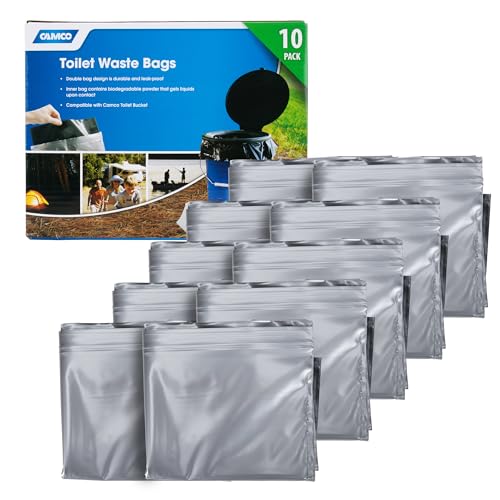
Go On the Go: Travel toilet bags offer ultimate convenience for outdoor activities without plumbing, adventures in the woods, and more

Included Package - This set includes 40 biodegradable portable toilet replacement bags, split into two rolls of 20 bags each. These portable toilet bags for adults for car are 8-gallon size, expanded size measures 22in x 26in. The trash bags are ideal for use with a camping toilet, portable potty seat, camp toilet portable, travel potty, portable commode, as a liner for 8-gallon or 5-gallon toilet, bucket and trash can
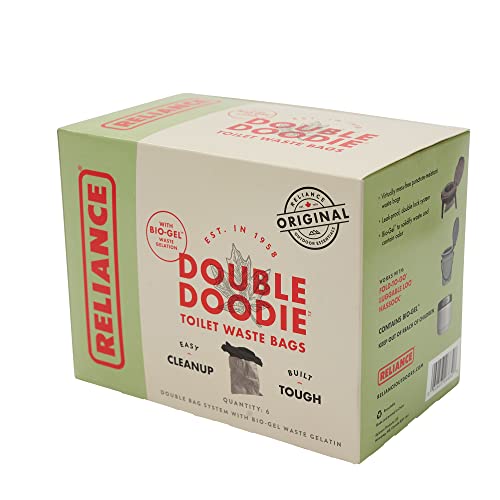
PRACTICAL: The Reliance DOUBLE DOODIE Toilet Waste Bags with BIO-GEL solidifies waste quickly. They’re 2 bags in one, the interior bag contains the waste, the outer zip lock bag with carry handle adds a second layer of durability and reliability
Cooking with Less Water
Editor’s Choice


Bulin Camping Pot, 1.2L/1.5L High Efficiency Backpacking Pot Ultralight …

Naturehike Camping Soup Pot Cookware with Lid Large Outdoor Portable Han…

Camping Cookware Set – Compact Stainless Steel Campfire Cooking Pots and…
5. Eco-Friendly Dishwashing Techniques
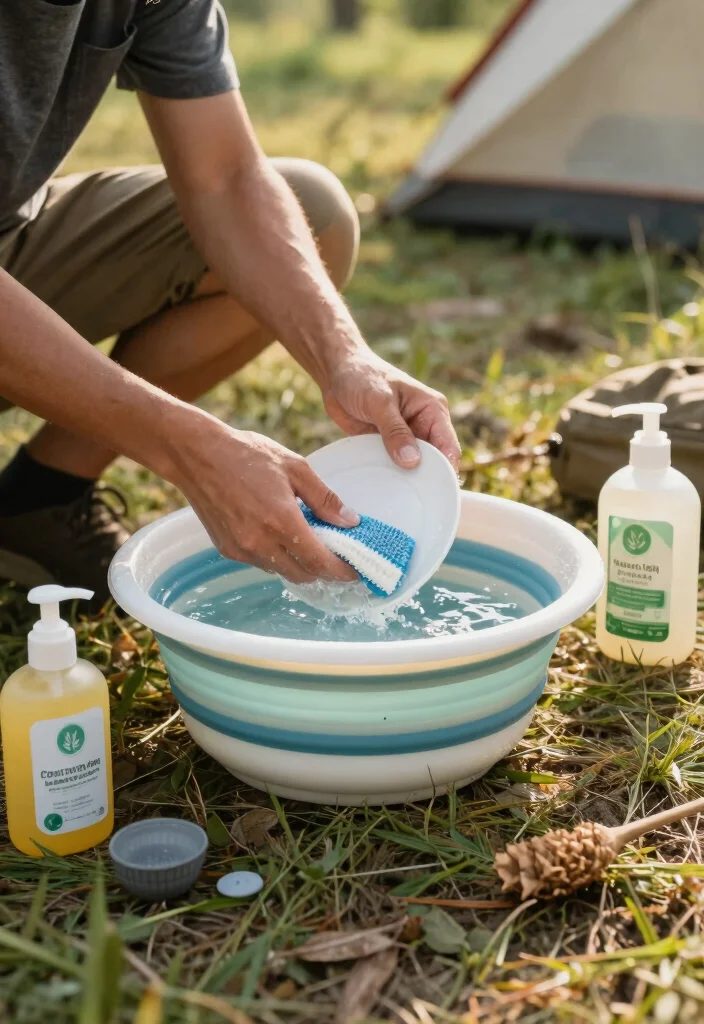
After a meal, you want to clean up without wasting water. Start by scraping food scraps into a compost bin or a sealed bag, which helps minimize the mess. Then, use a small amount of water with a sponge instead of running water for washing dishes.
Bringing a collapsible basin for washing allows you to use just enough water for the job. Always use biodegradable soap to protect the ecosystem, and rinse your dishes in a separate basin to avoid cross-contamination.
Dishwashing tips:
– Scrape food scraps into a compost bin to minimize waste.
– Use a collapsible basin for efficient washing.
This approach keeps your campsite clean while conserving valuable water.
Recommended Products
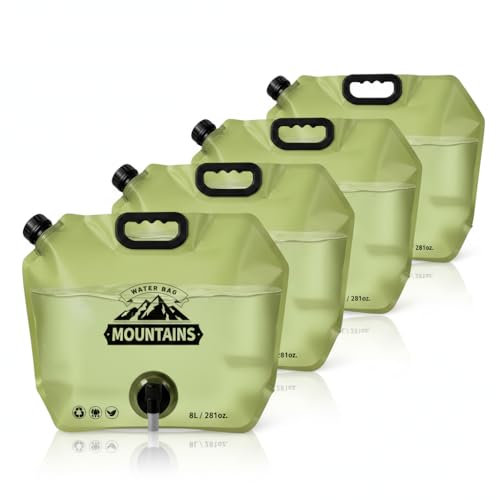
Portable Camping Water Jug: This collapsible water bag is lightweight, easy to fold, and convenient to store, making it the perfect choice for camping. It’s ideal for travel, outdoor activities, and emergency water storage.
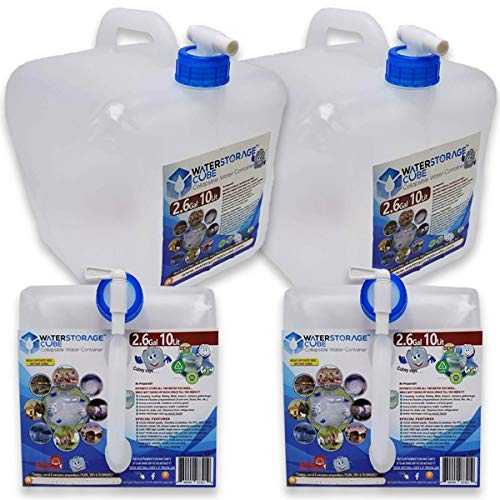
FOOD-GRADE ODORLESS GREAT TASTE: PE plastic made with highest quality USA raw material. Environmentally friendly non-toxic, No BPA PVC or DEHP, No plastic PVC odor and water taste will not be affected, Transparent.

【Portable Camping Water Container】 Foldable, lightweight and space-saving, it’s easy to pack, carry and store. A practical water jug for travel, camping and emergency use.
6. Smart Waste Disposal Methods
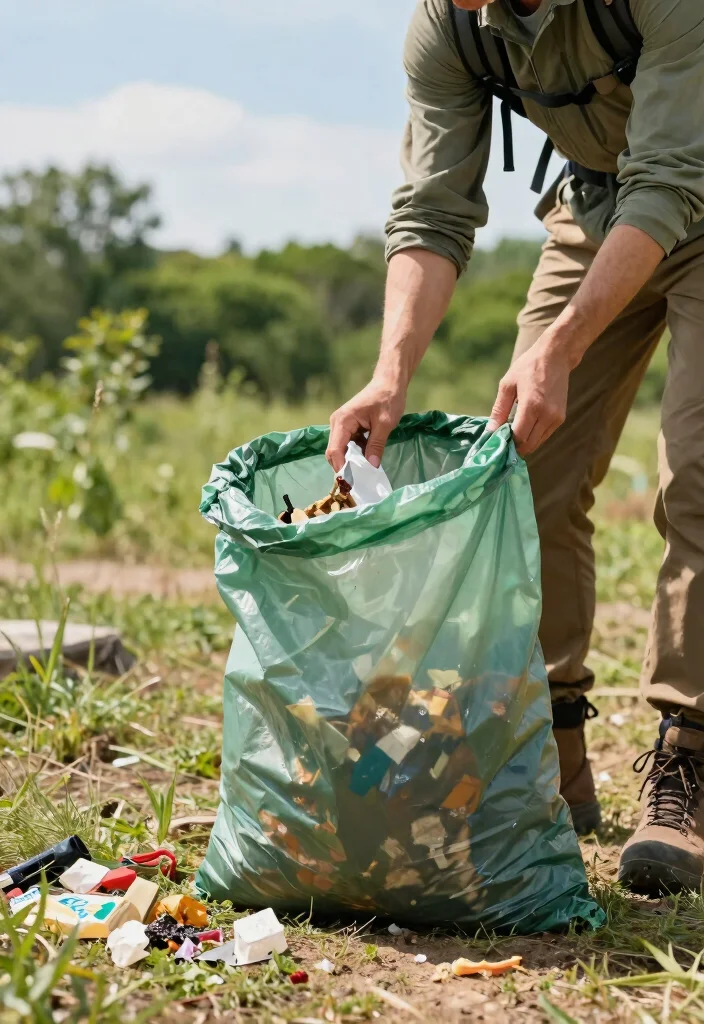
Proper waste management is vital for sustainable camping. Always bring a trash bag to gather all your litter. A lightweight, reusable bag that folds up easily is perfect for this task.
For food waste, composting is an excellent solution. Familiarize yourself with compostable materials to safely leave some things behind. Remember to pack out items like toilet paper. Following Leave No Trace principles is crucial for preserving nature.
Waste management best practices:
– Use a trash bag to collect all waste during your trip.
– Implement composting strategies for food scraps.
– Familiarize yourself with Leave No Trace principles.
This keeps the environment clean and ensures future campers can enjoy nature too.
Recommended Products

Survival Gear for Outdoor Water Needs - If you want to obtain drinking water simply and quickly, you can use this survival gear. The mini and lightweight filtering system is ideal for recreation, hiking, and camping. It’s also your good companion for scouting, domestic and international travel, emergency preparedness. Note: DOES NOT lower TDS.

Lightweight, easy to use portable water filter removes harmful bacteria, protozoa, cysts, sediment, And 100% of microplastics; Perfect for outdoor adventures, travel, or emergency preparedness

Ideal for outdoor recreation, hiking, camping, scouting, domestic or international travel, and emergency preparedness
Smart Waste Disposal Methods
Editor’s Choice

Pop up Camping Trash can with lid,Collapsible 24 Gallons Trash can with …

3 Pack 72 Gallons Reusable Yard Waste Bags with Lid Extra Large Lawn Lea…

Ctosree 4 Pieces Compost Bin Bags Large 34 Gallon Reusable Yard Waste La…

Hippo Sak – Plant Based Tall Kitchen Garbage Bags with Ergonomic Handles…
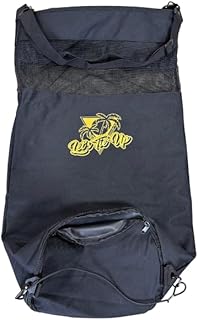
Portable Boat Trash Can | Reusable Trash Bag | Boating Storage | Fishing…
7. Collecting Rainwater

If you’re camping in a rainy area, capturing rainwater can be incredibly useful. Set up a tarp or container to collect rain as it falls, positioning it to maximize water flow. This collected water can be used for washing or cooking, but always filter it before drinking.
Once collected, store it in a clean container and avoid letting it sit too long to prevent algae growth. This method not only provides a sustainable water supply but can also be a fun challenge while camping.
Rainwater collection tips:
– Set up a tarp or container to catch rainwater.
– Always filter rainwater for safety before use.
This technique helps you make the most of nature’s resources.
Recommended Products

【LEAK PROOF】With the sealing ring, the 3 gallon water jug doesn't leak when full while going down rough trails; the military green container won't splash water all down your legs as you walk; If you tighten the water jug for camping fully, even after being upside down for 24 hours, not a drop will come out! Neither does the spigot on the side leak
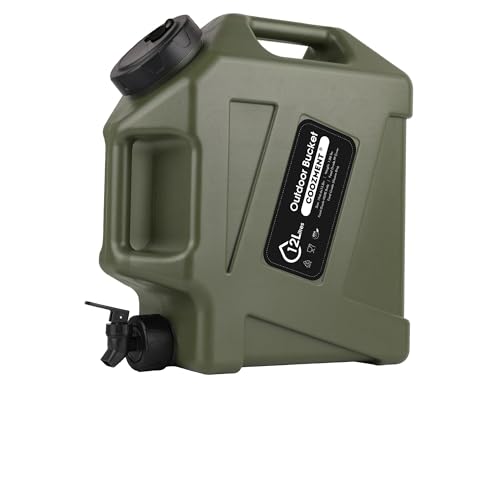
【High quality and Reusable】:Water jug is made of food-grade PE material. The lid of the jug is made of food-grade PP, and there is food-grade silicone seal protection. BPA PVC-free, the taste of water and drinks will not be affected at all.

Food Grade and Premium Quality Material: The camping Water Jug is made of food grade PE material, BPA free, which ensures the water inside stays clean and uncontaminated. Providing you with safe and healthy water. With upgraded and thickened material, non-slip, anti-scratch, anti-impact, sturdy and durable, which can be reused
Collecting Rainwater
Editor’s Choice

MOOFI Roof Leak Diverter Tarp with 10ft Drain Hose – 420D Oxford Fabric …

Tredre Ceiling Leak Diverter Drain Tarp, Heavy Duty 420D Oxford Fabric R…

White 10′ x 10′ Ceiling Leak Diverter Drain Tarp – Vinyl Coated Roof Dri…
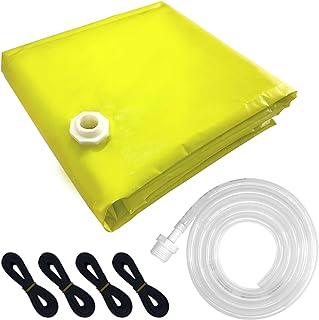
7′ X 7′ Drain Tarp Heavy Duty Ceiling Leak Diverter Yellow Roof Ceiling …

Heavy Duty Ceiling Leak Diverter Tarp with Drain Flange – Roof Water Div…
8. Hydration Pack Essentials
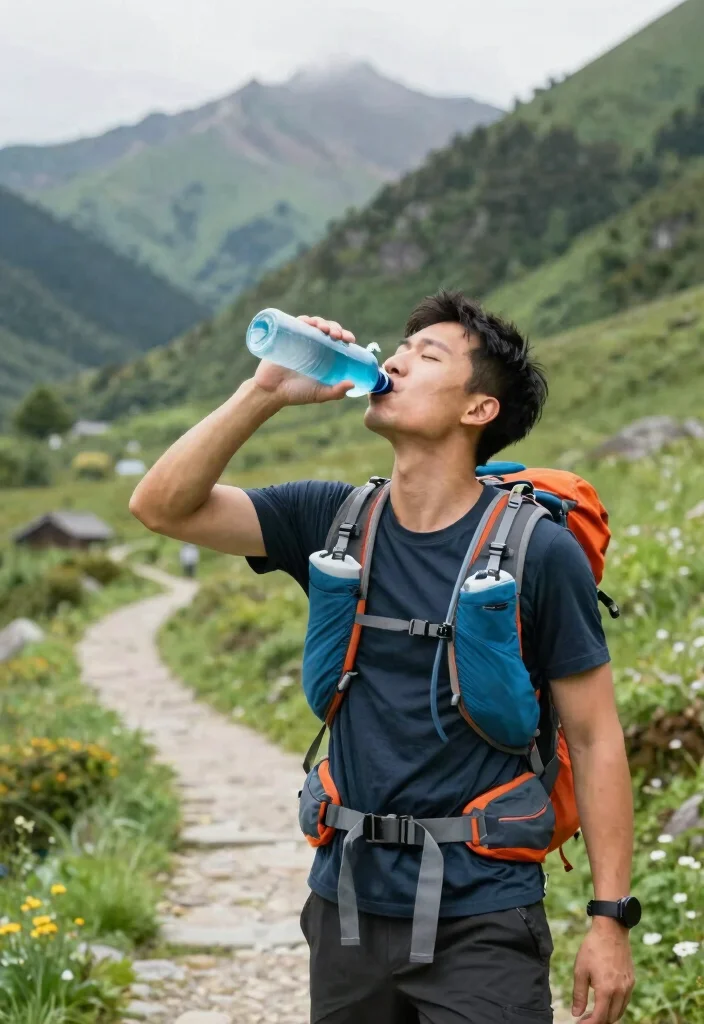
A hydration pack can simplify your water management while hiking or exploring. These packs feature a built-in reservoir and a hose, allowing for convenient, hands-free hydration on the go.
Look for packs made from recycled materials to align with eco-friendly practices. Regularly clean the reservoir to avoid bacterial buildup. They are an excellent way to keep your hands free while ensuring you stay hydrated on long trails.
Hydration pack essentials:
– Choose a pack made from recycled materials.
– Regularly clean your hydration pack for safety.
This makes staying hydrated easy and environmentally friendly.
Recommended Products

【Solar Heated Shower Bag】Made from durable materials, this portable shower is great for outdoor use. It heats water to 113°F (45°C) in just 3 hours using sunlight, so you can enjoy a warm shower without electricity. The temperature indicator lets you know when it's ready, making this portable shower for camping a great choice. It’s a reliable portable camping shower for all your outdoor adventures.

5 Gallon Storage Capacity – Large Water Reservoir for Multiple Showers, Washing Dishes, Rinsing Pets and more.

Massive 8000mAh Battery for 3-Hour Continuous Use: Never worry about running out of power mid-rinse. Equipped with a high-capacity 8000mAh rechargeable battery, this portable shower for camping provides up to 180 minutes of continuous flow on a single charge—enough for the whole family's camping trip. The universal Type-C port ensures easy recharging via power banks, car chargers, or laptops, while the silicone waterproof cover keeps charging safe and dry.
How To Choose The Right Water Filtration System
Choosing the right water filtration system for dry camping is crucial for ensuring safe drinking water and reducing waste. With the variety of options available, here are some key criteria to consider:
1. Type of Filtration
There are several types of water filtration systems, including activated carbon filters, reverse osmosis systems, and UV light purifiers. Activated carbon filters are great for removing taste and odor, while reverse osmosis can eliminate contaminants at the molecular level. UV purifiers are effective against bacteria and viruses but require power. Choose the type based on your water source and specific needs.
2. Size and Portability
Since space is limited while dry camping, the size of your filtration system matters. Portable systems are easier to transport. Look for compact designs that fit in your gear without taking too much space. Some systems are lightweight and come with carrying bags, which make them ideal for hiking and camping trips.
3. Filtration Capacity
Different filtration systems have varying capacities, which affect how much water you can filter at once. If you’re camping with a group, a system with a higher flow rate is beneficial. Consider how much water you need per day when selecting a system. A personal filter may suffice for solo trips, while a larger system may be necessary for family outings.
4. Maintenance Requirements
Some water filters require more maintenance than others. Check if the system has replaceable parts and how often they need changing. Simple systems are usually easier to maintain, while complex ones may require regular cleaning or professional servicing. Make sure you understand what upkeep is needed to keep the system working efficiently.
5. Budget
Water filtration systems can range from inexpensive portable filters to high-end models. Set a budget that suits your needs while considering long-term value. Remember that a higher initial cost might save you money on bottled water and provide better drinking quality. Factor in replacement filters and maintenance costs in your budget as well.
Pro Tip: Before you purchase, read reviews and ask fellow campers about their experiences. Real-life feedback can provide insights that specifications alone can’t fully capture. This can help you find a filtration system that not only fits your needs but also performs well in actual camping conditions.
Recommended Products

【Wide Application】oceanengine portable toilet bags poo gel set is widely used in camping toilet, portable toilets for adults camping, emergency toilet, outhouse toilet, boat toilets, camp bucket toilet, porta potty, portable toilets for cars, rv portable toilet, composting toilet, camping toilet bags, poo bags, portable toilet bags. It is perfect for carrying while camping, RV trip, road travel, hiking, and can also be used for home care, liquid waste disposal, nursing home toilet and more

【Package Includes】25 portable toilet replacement bags, come in 1 rolls of 25 PCS, enough for whole family use. With 8 gallon large capacity and 23 x 27 inch expanded size, the trash bags are ideal to use with camping toilet, portable potty seat, camp toilet portable, travel potty, bucket toilet seat, as a liner for 8 gallon or 5 gallon toilets and trash cans.

Included Package - This set includes 25 biodegradable portable potty bags, one rolls of 25 bags each. These camping poop bags are 8-gallon size, expanded size measures 22in x 26in. The luggable loo bags are ideal for use with a camping toilet, portable potty seat, camp toilet portable, travel potty, portable commode, as a liner for 8-gallon or 5-gallon toilet, bucket and trash can.
9. Reusing Water for Plants
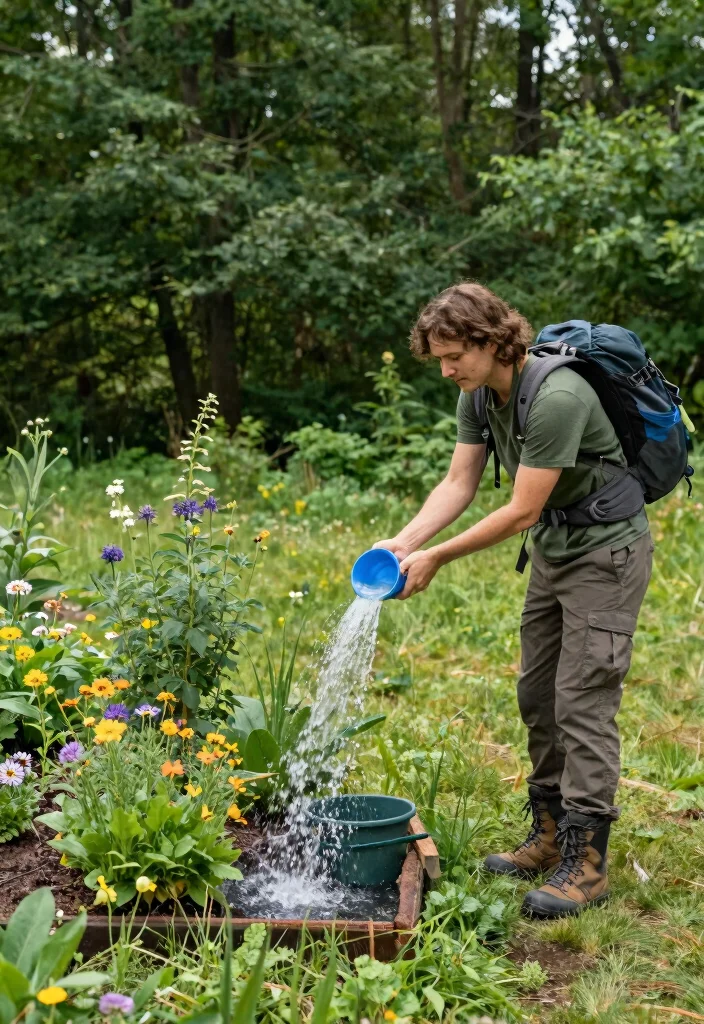
In dry camping situations, every drop of water counts, and reusing what you have can be smart. After washing dishes or rinsing fruits and vegetables, collect that water in a basin. This ‘gray water’ works well for watering nearby plants or trees, ensuring nothing goes to waste.
Just remember to use only biodegradable soap to protect your plants. This practice conserves water and gives back to nature, making your camping experience even more rewarding.
Water reuse tips:
– Collect gray water for watering plants.
– Use only biodegradable soaps to protect the environment.
This approach enhances your eco-friendly camping efforts.
10. Portable Toilets for Waste Management
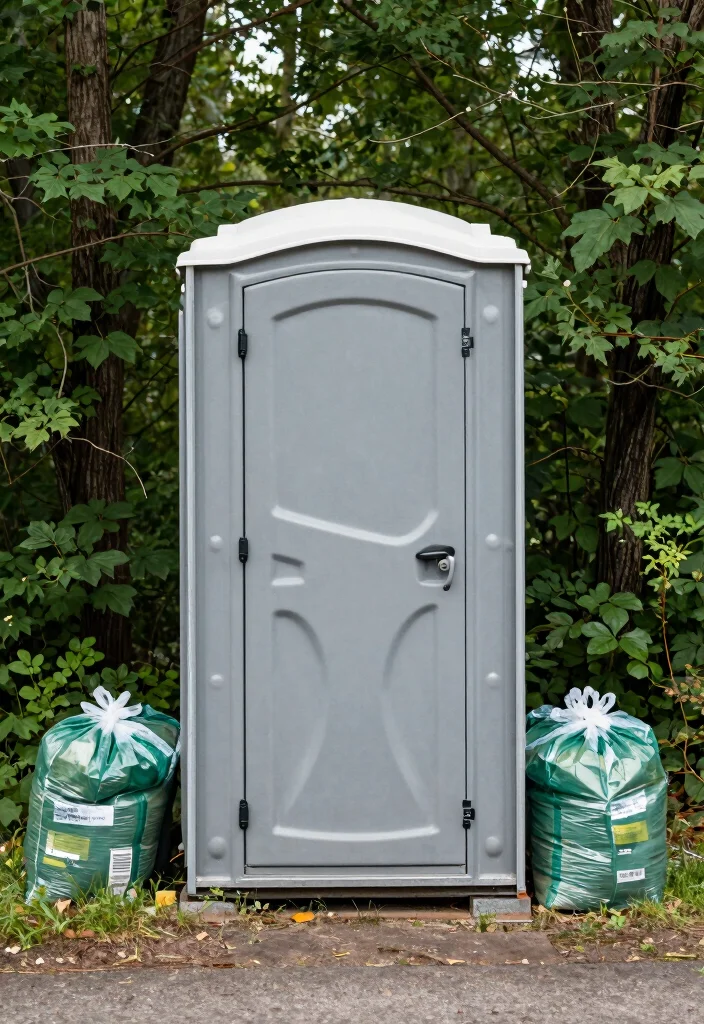
Having a portable toilet while camping can be a great investment. It eliminates the hassle of digging a hole or looking for public restrooms. Many models are compact and easy to set up, minimizing their environmental footprint.
Be sure to use biodegradable bags and follow Leave No Trace principles. This keeps your campsite clean and helps maintain the beauty of nature for others to enjoy.
Portable toilet benefits:
– Invest in a portable toilet for cleanliness.
– Always use biodegradable bags for waste.
This ensures a more pleasant camping experience for everyone.
11. Reusable Utensils and Plates

Switching to reusable plates and utensils is a simple way to cut down on waste while dry camping. Choose a set made from materials like stainless steel or bamboo, which are durable and eco-friendly.
Using these not only saves water during cleanup but also helps reduce plastic waste that can harm the environment. A lightweight container to store your utensils can also double as a bowl, making it practical and versatile.
Reusable utensil strategies:
– Use reusable utensils made from stainless steel or bamboo.
– Store them in a multifunctional container to minimize gear.
This choice makes your camping experience both sustainable and convenient.
12. Water-Saving Personal Hygiene Tips
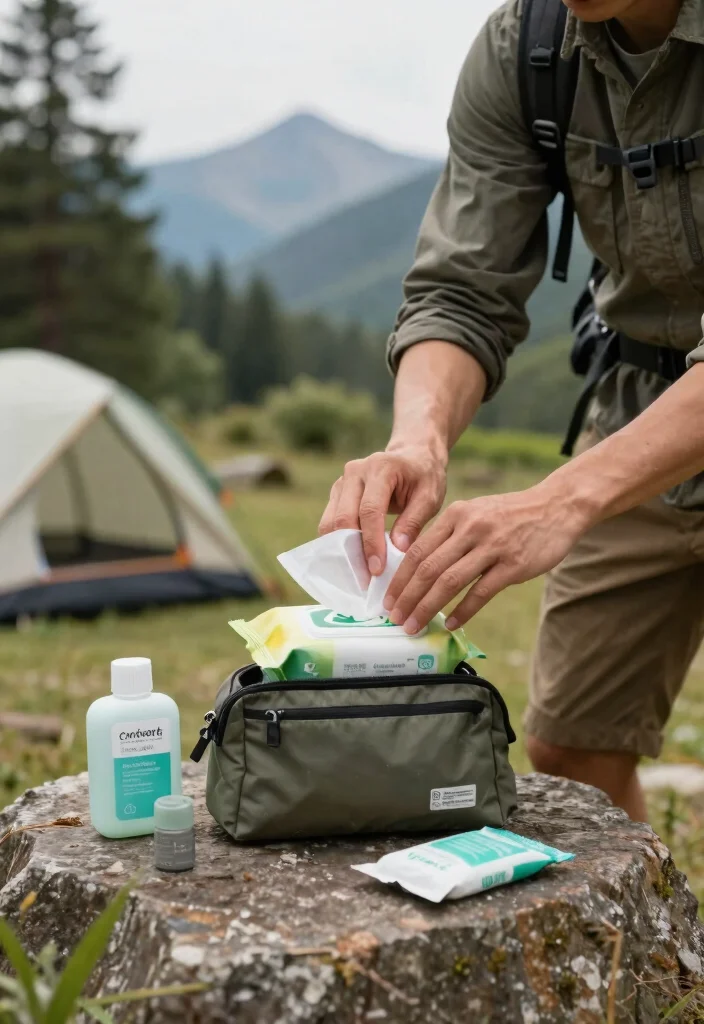
Camping doesn’t mean you have to neglect personal hygiene. Pack biodegradable wet wipes for quick clean-ups, which require much less water than traditional showering methods.
Eco-friendly toothpaste tablets also need minimal rinsing or no water at all. These small changes can help conserve water and prevent contaminants from entering natural water sources. A small pack of hand sanitizer is another great alternative when water is scarce.
Personal hygiene tips:
– Use biodegradable wet wipes for quick clean-ups.
– Opt for toothpaste tablets to minimize water use.
This keeps you clean while being mindful of water resources.
Fun fact: Biodegradable wet wipes and toothpaste tablets cut water use on a dry camping trip by up to 70%. Embrace Power & Waste Management with simple hygiene swaps, and stay fresh while protecting water sources on the trail.
Water-Saving Personal Hygiene Tips
Editor’s Choice

Nolla Flushable Wipes – 100% Plant-Based and Biodegradable – Soft, Unsce…

Weemium Bamboo Wipes – Pack of 4 (240 XL Flushable Wipes) – Organic, Tre…

Caboo Tree Free Flushable Wipes, Certified Flushable, Septic Safe, Biode…

US-Made Toothpaste Tablets, New Improved SLS-Free Formula, 180 Count, Bi…

Gaia Guy | NanoMint Fluoride Free Toothpaste | Nano-Hydroxyapatite Remin…
13. Efficient Group Water Management
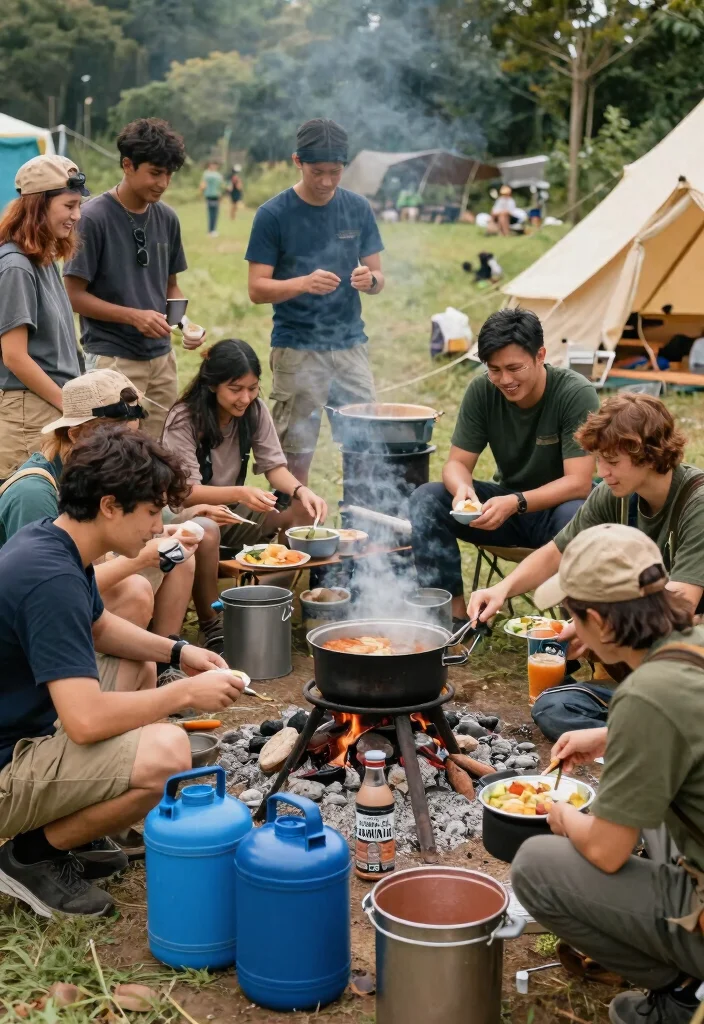
When camping in a group, coordinating your water use can greatly improve efficiency. Before your trip, discuss meals and water needs together to promote conservation among everyone.
Setting up a single cooking area can cut down on water use, and everyone can help with dishwashing. Designating one person to manage the water supply ensures no one runs out unexpectedly.
Group management tips:
– Coordinate meals and water needs with your group.
– Designate a person to manage water supply efficiently.
This strategy enhances everyone’s camping experience by promoting teamwork and conservation.
Fun fact: A single cooking area and one designated water manager can cut group water use by nearly 40%. Coordinate meals and dishwashing so everyone shares the load, then practice smart power & waste management to keep everyone hydrated and fed without shortages.
14. Avoiding Overconsumption of Water

In the midst of beautiful scenery, it’s easy to overlook water conservation. To combat this, be mindful of your consumption habits. Set a daily water limit and stick to it, tracking your intake throughout the day.
When cooking or washing, consider if you can use less water. Encourage your camping friends to be mindful too! By adopting these habits, you’ll create a more sustainable adventure for everyone involved.
Water consumption strategies:
– Set a daily water limit to manage usage better.
– Share water conservation tips with your camping group.
This helps protect the environment while enjoying nature.
15. Eco-Friendly Clothing Choices

Believe it or not, your clothing choices can impact water usage too! Opt for quick-drying fabrics that don’t require frequent washing, such as merino wool or specific synthetics that stay fresh longer.
Consider packing fewer outfits and layering them for versatility rather than bringing a large wardrobe. This not only simplifies your packing but also conserves water by reducing laundry needs.
Clothing tips for water conservation:
– Opt for quick-drying fabrics for less washing.
– Pack versatile clothing to reduce outfit changes.
This makes your camping experience more efficient and eco-conscious.
16. Engage with Nature Responsibly

Finally, be a thoughtful camper and engage with nature mindfully. Take time to appreciate your surroundings instead of rushing through activities. Understanding the importance of water conservation and waste management enhances your camping experience.
Join local clean-up efforts and share knowledge about preserving natural resources with fellow campers. A responsible approach enriches your adventure while positively impacting the environment.
Nature engagement tips:
– Engage in local clean-up initiatives during your trip.
– Share water conservation practices with fellow campers.
This fosters a culture of respect for nature and ensures its beauty lasts for future generations.
Conclusion
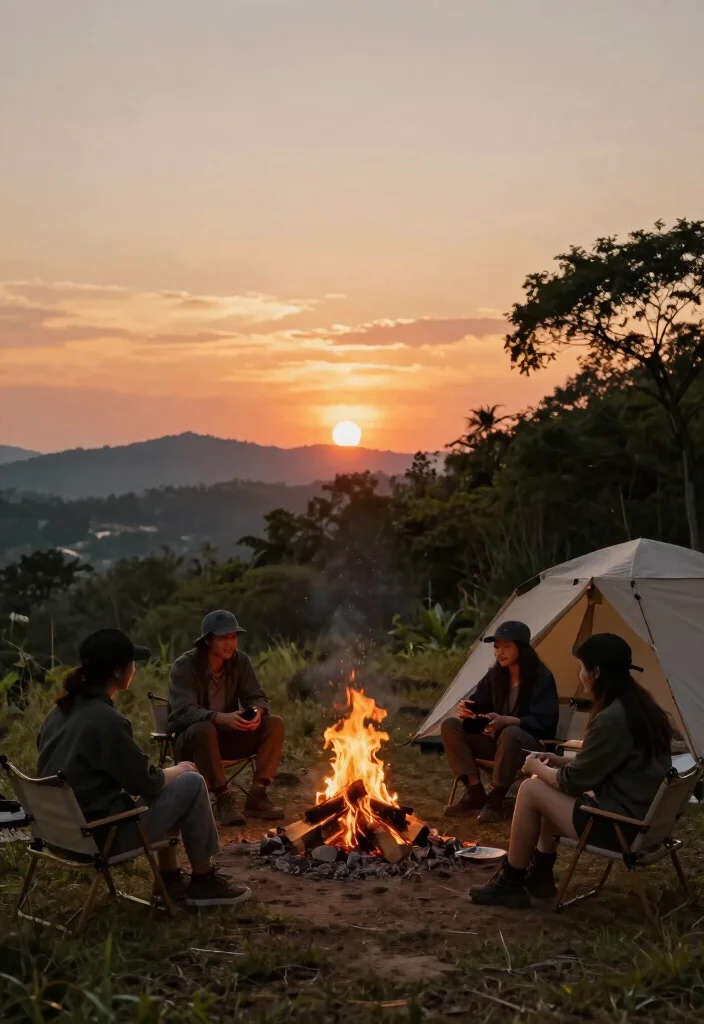
Mastering water and waste management while dry camping is not just about conserving resources; it’s about preserving the beauty of the wilderness for future adventurers. By incorporating these hacks into your next trip, you’ll not only enhance your camping experience but also take significant steps toward sustainable travel. With every effort, we can enjoy nature while ensuring it remains pristine and vibrant.
Note: We aim to provide accurate product links, but some may occasionally expire or become unavailable. If this happens, please search directly on Amazon for the product or a suitable alternative.
This post contains Amazon affiliate links, meaning we may earn a small commission if you purchase through our links, at no extra cost to you.
Frequently Asked Questions
What are practical water-saving tricks for dry camping off-grid?
Water is your most precious resource when you’re dry camping off-grid. Start with a simple water budget and track every liter for drinking, cooking, cleaning, and hygiene. Practical tricks: carry enough water in reusable bottles and a collapsible jug for easy topping up; wash dishes with a two-bucket method (soapy wash and a separate rinse) and reuse the rinse water where safe; minimize hygiene needs by using biodegradable wipes and sparing amounts of water for essential washing. Collect used water in a sealable container and dispose of it in permitted locations to protect the environment.
These strategies align with water conservation techniques and dry camping tips to keep you comfortable while reducing impact.
How can I optimize power & waste management during dry camping?
Optimizing Power & Waste Management while dry camping means planning energy use and waste flow before you hit the trail. Start with low-energy gear, LED lighting, and a compact solar setup so you’re not draining batteries at night. For waste, adopt pack-in/pack-out habits: sealed bags for trash, reusable containers for leftovers, and a portable waste system if allowed. Rinse and re-use water where safe, and always store waste securely until you can dispose of it properly. This approach supports off-grid camping and eco-friendly travel hacks.
What are the best waste disposal methods for eco-friendly dry camping?
Eco-friendly dry camping hinges on smart waste disposal methods. Never bury trash or leftover chemical waste; pack it out in sturdy bags or containers. If a portable toilet is permitted, treat waste with approved bags or chemicals and seal it well. For liquids, use dedicated containers and minimize soap; keep biodegradable products and dispose of wastewater at approved sites. Stick to Leave No Trace principles, and consider linking these practices to waste disposal methods and eco-friendly travel hacks.
What dry camping tips help conserve water while cooking, cleaning, and hygiene?
Here are practical dry camping tips to cut water use across cooking, cleaning, and personal care. Plan meals to reduce washing, rehydrate dehydrated foods to cut boil water, and use a small amount of water for washing dishes with the two-bucket method. Use biodegradable wipes for quick cleanups, a spray bottle for rinsing, and minimal soap. Reuse rinse water for pre-washing or gear cleaning where appropriate, and always carry extra water for emergencies. This blends well with dry camping tips and water conservation techniques.
What gear should I prioritize to stay off-grid and eco-friendly?
Prioritize gear that makes off-grid camping cleaner and simpler. Lightweight water filtration or purification helps you stretch your supply, while collapsible containers and reusable bottles reduce waste. A compact solar charger or energy-efficient lantern boosts Power & Waste Management without harming the environment. Pack a portable waste bag system and waterproof storage to keep trash contained. With these eco-friendly travel hacks, you’ll stay comfortable while respecting nature.
Related Topics
dry camping tips
water conservation
sustainable travel
off-grid camping
eco-friendly hacks
waste management
beginner friendly
easy solutions
camping essentials
minimalist camping
resource management
travel sustainability