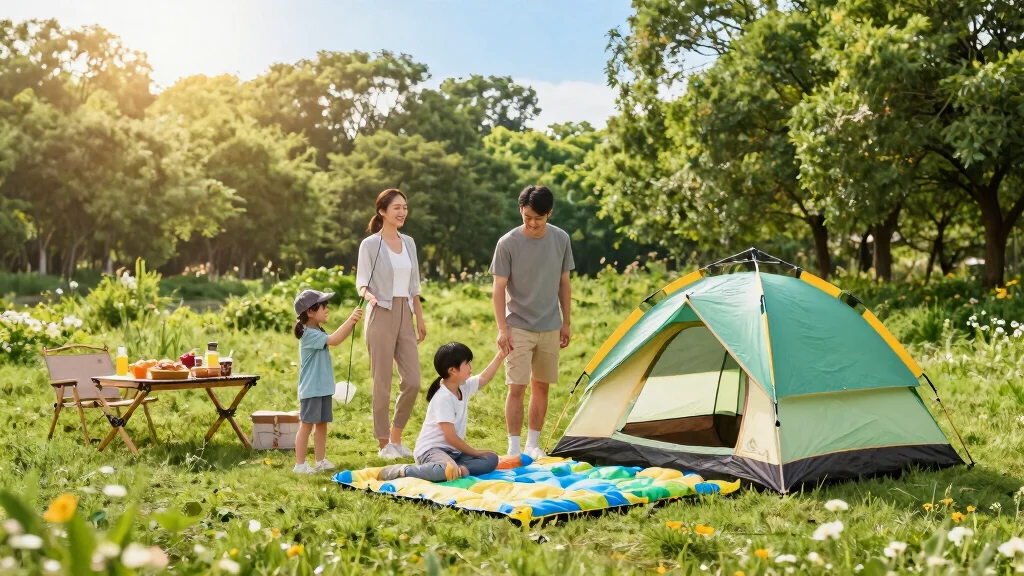
Tent camping is an adventure that often tugs at the heartstrings, bringing back memories of laughter around the campfire and stories shared under starlit skies. As warmer days invite families to explore the great outdoors, many beginners find themselves craving a simple escape from the daily grind. Yet, diving into the world of camping can feel a bit overwhelming, especially when it comes to setting up a campsite. That’s why I created this post—to help ease your journey into the wilderness with practical tips and tricks that can make your tent camping experience smooth and enjoyable.
If you’re a family looking to bond over nature, or a novice eager to embrace this outdoor lifestyle, you’re in the right place. You may be wondering how to choose the best location, keep your tent organized, or even prepare easy meals. This guide is tailored just for you! I’ve rounded up 15 invaluable tent camping hacks that will not only simplify your campsite setup but also enhance your overall experience. With these insights, you’ll feel confident and well-prepared, ready to make memories that will last a lifetime.
So, let’s dive in! Whether you’re planning a weekend getaway or a week-long adventure, you’ll find tips that are practical, easy to follow, and perfect for anyone eager to embrace the joys of tent camping. Get ready to unlock the secrets to a successful campsite setup!
Key Takeaways
– Location Matters: Choosing the right spot can make or break your camping experience. Look for flat ground, away from water sources and potential hazards.
– Practice Makes Perfect: Set up your tent at home before your trip. This will help you learn the ropes and prevent any surprises at the campsite.
– Stay Organized: Keep your tent tidy with storage solutions like hanging organizers or bins. This will save you time searching for essentials when you need them.
– Prepare for the Unexpected: Always pack a first aid kit and check the weather forecast. Being prepared can keep your family safe and your trip enjoyable.
– Embrace the Experience: Don’t forget to enjoy storytelling and bonding time around the campfire. Camping is as much about the journey as it is about the destination!
1. Choose the Right Location
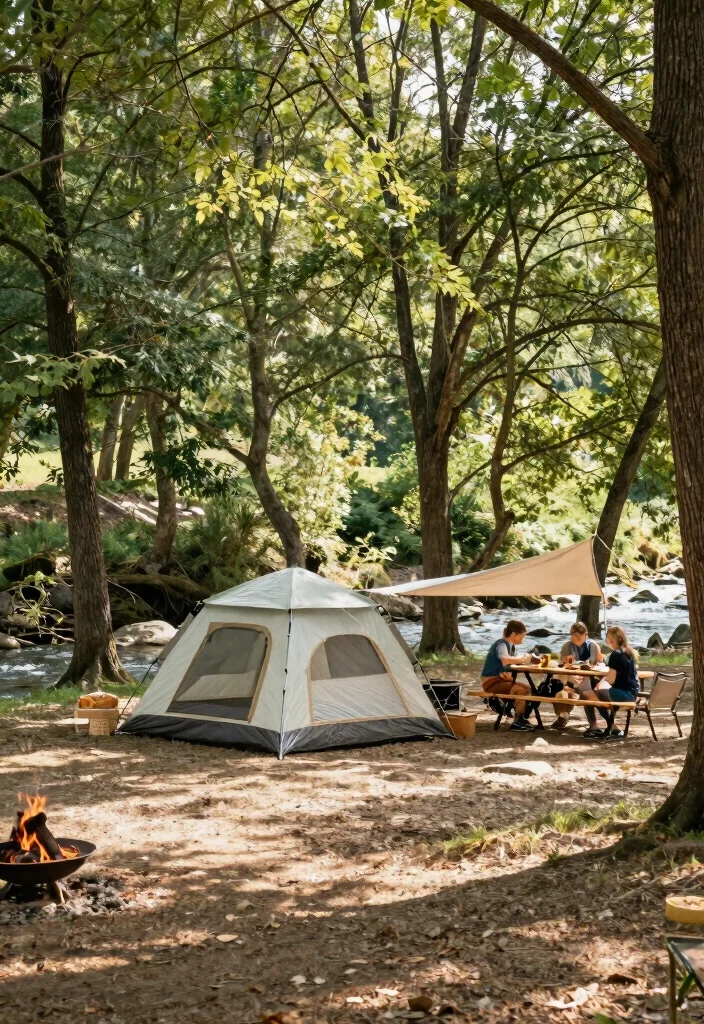
Selecting the ideal campsite can enhance your family’s camping experience immensely. A well-chosen location not only provides comfort but also ensures safety. Look for a flat, dry area with natural drainage to prevent any water accumulation inside your tent.
Keep an eye out for hazards like cliffs or sharp rocks, and try to set up near amenities like restrooms and water sources for convenience. Don’t forget to consider sunlight; a spot that catches the morning rays can help warm your tent quickly! Here are some tips to help you find the perfect camping spot:
– Scout Ahead: If you can, visit the site beforehand to evaluate.
– Respect Nature: Stick to designated camping areas to protect the environment.
– Stay Away from Wildlife: Avoid spots with signs of animal activity.
– Find Shade: Choose a location that offers afternoon shade to keep cool.
Choosing the right spot lays the foundation for a fun and safe camping trip!
2. Practice Your Tent Setup at Home
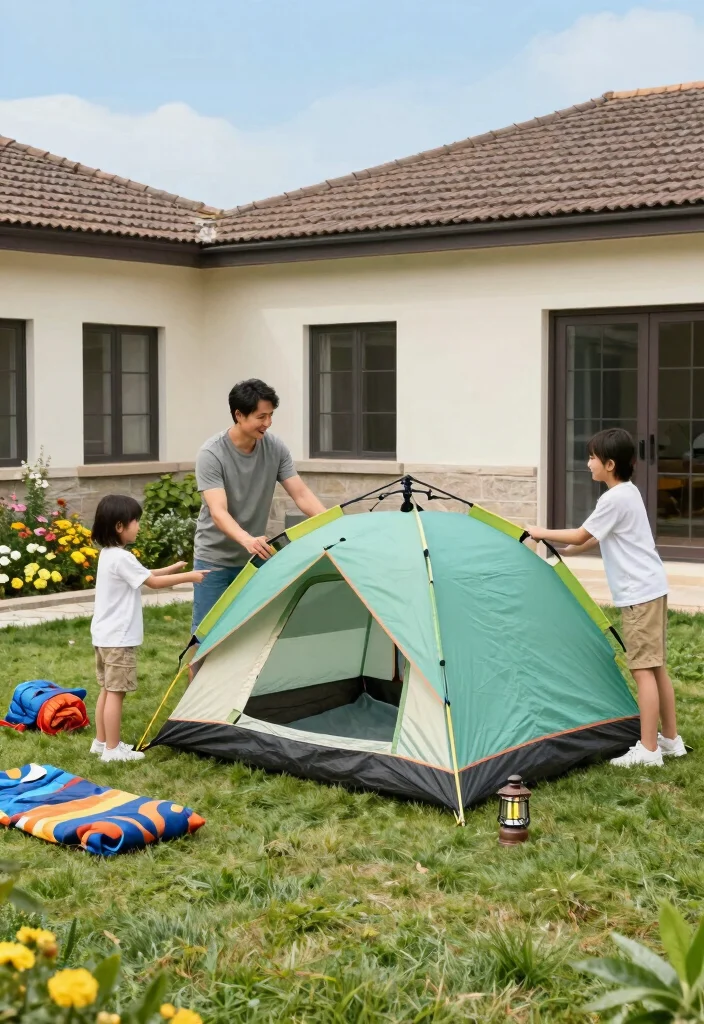
Avoid any campsite confusion by practicing your tent setup at home. This vital step allows everyone to familiarize themselves with the assembly process, ensuring a smoother experience once you arrive at the campsite.
Make sure each family member knows where the poles, stakes, and rainfly are located. Lay out the tent’s footprint and practice securing it to withstand windy conditions. Here’s how to effectively practice your tent setup:
– Involve Everyone: Assign specific tasks to promote teamwork.
– Time it: Challenge yourselves to see how quickly you can set it up.
– Test for Stability: Walk around inside to ensure there’s enough space and headroom.
With everyone on the same page, your camping experience will be more enjoyable and hassle-free!
3. Keep the Tent Organized
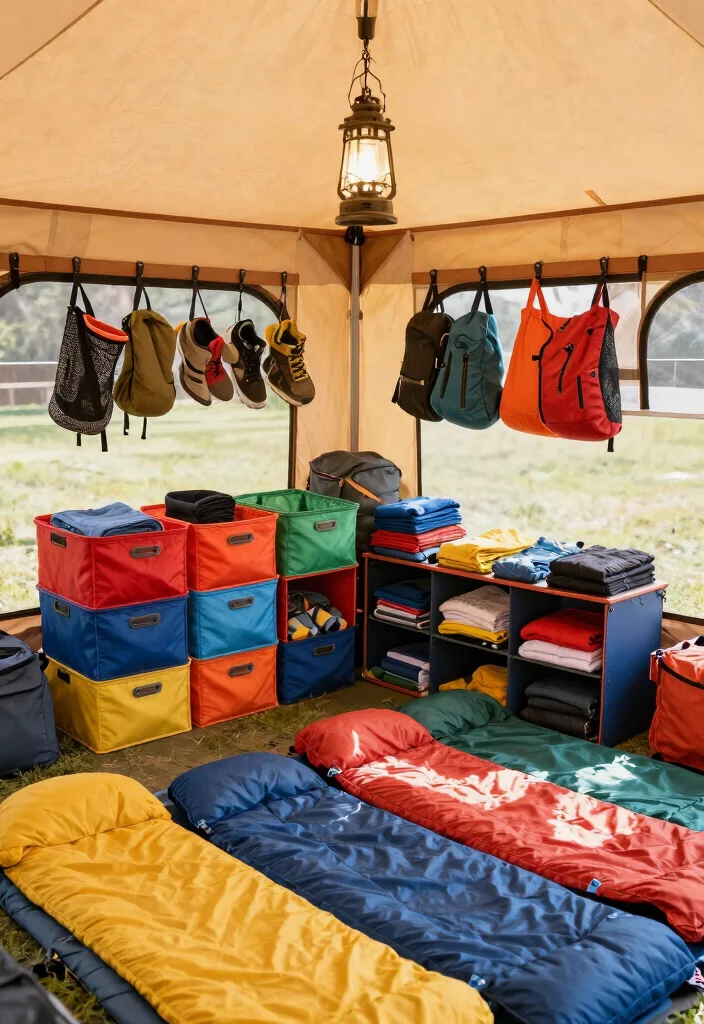
Once your tent is up, make it cozy and organized inside! A tidy space ensures you can find your gear quickly and reduces clutter.
Use storage bins or mesh pouches that can hang from the tent’s ceiling or walls. Designate specific areas for shoes, clothes, and camping gear to keep the tent safe from tripping hazards. Here are some additional organization ideas:
– Use Hooks: Hang bags or lanterns to save space.
– Create Zones: Set up areas for sleeping, changing, and storing gear.
– Portable Caddies: Bring a caddy for easy transport of essentials.
With everything neatly arranged, you can fully enjoy your camping space without the mess!
4. Invest in a Tarp

A tarp is a versatile tool that can greatly enhance your camping experience! It provides protection for your tent and creates a clean area for gatherings.
Set up a tarp as ground cover before pitching your tent to protect against moisture and wear. It can also serve as a shaded cooking area or a spot to hang out during rain. Here’s how to maximize your tarp’s benefits:
– Easy Setup: Use ropes or poles to create a simple shelter.
– Cooking Area: Set aside space under the tarp for food preparation, away from the tent.
– Drying Station: Hang wet items to dry without cluttering your sleeping area.
A tarp not only protects your tent but also improves your campsite setup significantly.
5. Utilize a Camping Checklist
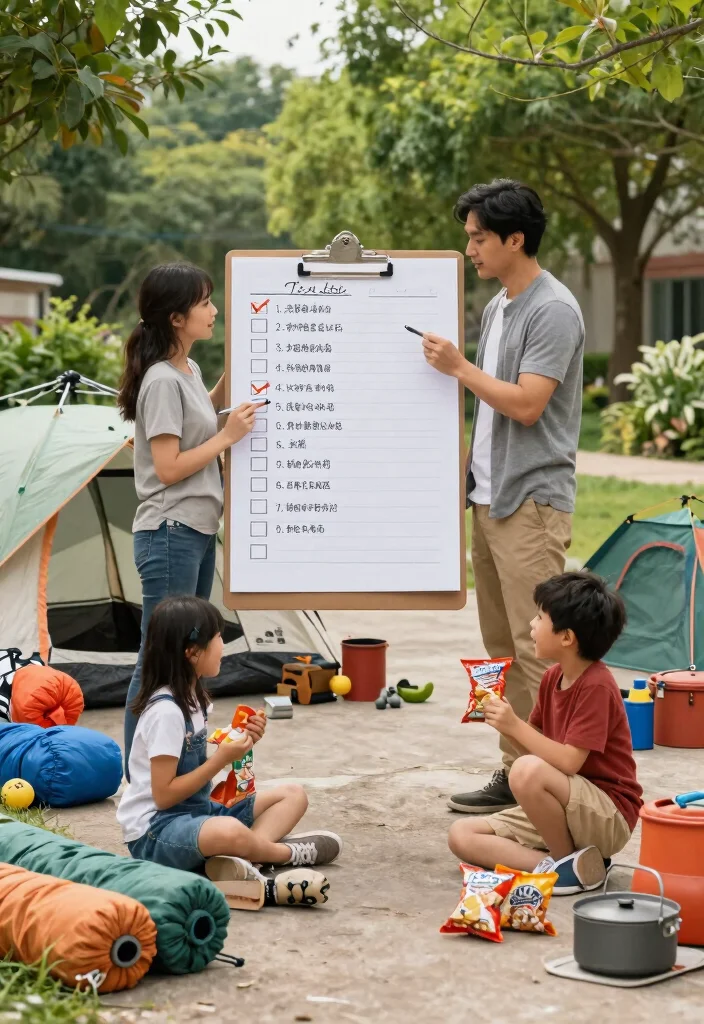
Before you set off on your adventure, create a comprehensive camping checklist to ensure you pack everything necessary. This handy tool helps you avoid last-minute store runs and keeps essential items from being forgotten.
Include all necessary camping gear and supplies, from tents and sleeping bags to first aid kits and cooking tools. Organize your list into categories to simplify packing! Here are some categories to consider:
– Shelter and Sleeping: Tent, sleeping bags, pillows.
– Cooking Gear: Stove, utensils, pots, and pans.
– Safety & First Aid: First aid kit, flashlight, bug spray.
– Food & Snacks: Non-perishables, coolers, cooking ingredients.
A well-structured checklist can make your trip more enjoyable and stress-free!
Ever reach the campsite and realize you left something crucial? A simple camping checklist saves the day. With tent camping hacks campsite, categorize gear—shelter, sleeping, safety, cooking—and pack once, then relax.
6. Prepare Easy Meals

When camping, simple meal ideas are crucial for keeping prep and cleanup manageable. Aim for dishes that can be prepped beforehand and cooked easily over a campfire or portable grill.
Foil packets are a great option for cooking fish, veggies, or chicken with minimal fuss. Here are some family-friendly meal ideas:
– Breakfast Burritos: Pre-fill tortillas with scrambled eggs, cheese, and veggies.
– DIY Pizza: Pack pre-made dough and toppings for a fun family activity.
– S’mores Ingredients: Don’t forget to bring along the classic camping treat!
Preparing meals in advance allows you to enjoy quality time together at the campsite.
7. Bring Portable Charging Options
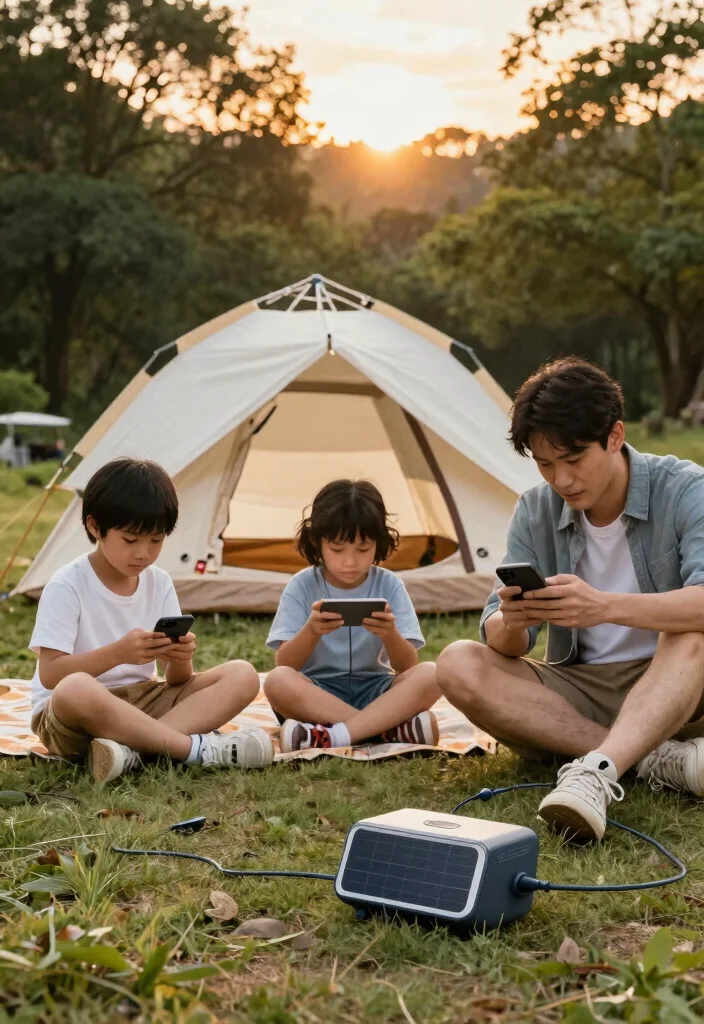
Staying connected while camping can be tricky, yet it’s increasingly important for safety, especially with kids around. Portable chargers, solar power banks, and car chargers can keep your devices powered.
Charge your portable chargers fully before leaving home, as they can be invaluable for GPS use on hiking trails or keeping in touch with family. Here are some tips to keep in mind:
– Invest in Solar Chargers: Perfect for longer trips away from power sources.
– Limit Usage: Set device-free times to fully enjoy nature.
– Power Dynamically: Use your car’s power outlet to charge devices while traveling.
By using these tools, you can maintain safety while still enjoying the unplugged camping experience!
Bring Portable Charging Options
Editor’s Choice

SOARAISE Solar Charger Power Bank – 48000mAh Wireless Portable Charger B…


Solar Charger Power Bank, 49800mAh Wireless Portable Phone Charger, 15W …
Power Bank Solar Charger 46800mAh Built in 4 Cables 3 Foldable Solar Pan…

Solar Charger Power Bank, 42800mAh Wireless Portable Charger with USB-C …

BLAVOR Solar Power Bank 10,000mAh, Portable Wireless Charger, 20W Fast C…
8. Pack a First Aid Kit

Always include a first aid kit on your camping trips. You never know when a minor accident might occur, especially with children exploring.
A well-stocked kit lets you address injuries quickly and ensures your family’s safety. In addition to basics like band-aids and antiseptic wipes, consider adding items for common outdoor emergencies, such as:
– Antihistamines: For allergic reactions.
– Burn Cream: To treat campfire-related injuries.
– Tweezers: Handy for removing splinters or ticks.
Regularly check your kit before each trip to replenish expired items, ensuring you’re prepared for anything!
9. Create a Cozy Campfire Zone
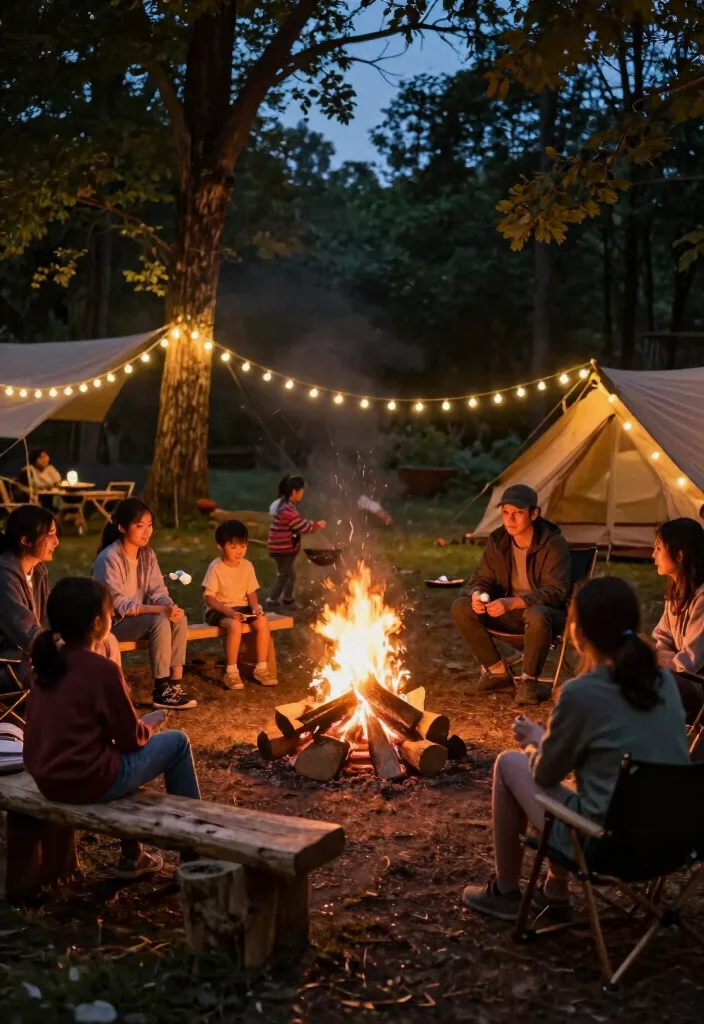
The campfire often becomes the heart of your campsite, a place for family bonding and storytelling. Create a cozy campfire zone with comfortable seating like portable chairs, logs, or blankets.
Consider adding string lights or lanterns to enhance the atmosphere as it gets dark. Ensure this space is separate from your tent for safety while remaining easily accessible. Here are some ideas to enhance your campfire area:
– Add Seating: Bring lightweight camp chairs or cushions for comfort.
– Gathering Area: Arrange seating in a circle to promote socializing.
– Incorporate Games: Bring outdoor games for added fun around the fire.
By making the campfire zone inviting, you create a space for lasting family memories.
Fun fact: in tent camping hacks campsite playbook, a cozy campfire zone can boost family bonding by up to 40% when you add seating, blankets, and soft lighting. Keep the fire area separate from the tent, and stories linger long after the embers fade.
Create a Cozy Campfire Zone
Editor’s Choice

Kijaro Dual Lock Portable Camping Chairs – Enjoy the Outdoors with a Ver…
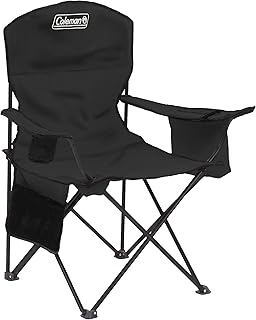
Coleman Portable Camping Chair with 4-Can Cooler, Cushioned Seat & Back …

ALPHA CAMP Oversized Folding Camping Chairs High Backrest Heavy Duty Law…
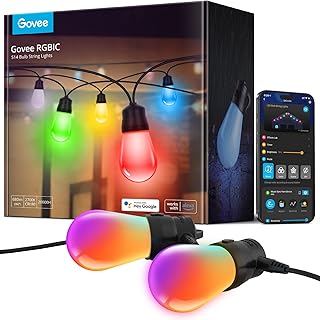
Govee Smart Outdoor String Lights H7015, 48ft RGBIC Outdoor Lights with …

Brightever LED Outdoor String Lights 100FT Patio Lights with 52 Shatterp…
How To Choose The Right Campsite
Choosing the right campsite is crucial for a successful tent camping experience. The right location ensures comfort and safety while enhancing your enjoyment of nature. Here are key factors to consider when selecting your campsite:
1. Accessibility
Look for a campsite that is easy to reach. Consider the distance from your home and the type of vehicle you’ll be using. Avoid locations that require challenging drives or extensive hiking unless you’re prepared for the effort. If you have kids or elderly family members, prioritize accessibility for their comfort.
2. Terrain
Assess the terrain before setting up your tent. Look for flat ground free of rocks, roots, and sharp objects. Soft, dry ground is ideal, while wet or muddy spots can lead to discomfort. Ideally, choose a site that has a natural windbreak like trees or shrubs to offer some protection from the elements.
3. Proximity to Water
Select a site that is close to a water source, such as a lake or river, for cooking and cleaning. However, ensure you are not too close to the water to avoid flooding during rains or high water levels. A distance of at least 200 feet is typically recommended to maintain a safe buffer.
4. Sun and Shade
Consider the direction of the sun. A mix of sun and shade can keep your tent cool during hot days and warm during chilly nights. Look for sites with trees that provide shade but also ensure they aren’t too close to your tent to prevent falling branches.
5. Wildlife Considerations
Research the area for wildlife activity. Avoid setting up near animal trails or food sources to minimize encounters with wildlife. Always store food properly in bear-proof containers if camping in bear-prone areas. This helps keep both you and the animals safe.
6. Amenities
Review the amenities available at the campsite. Some sites offer picnic tables, fire pits, and restrooms, which can enhance your convenience. However, if you prefer a more back-to-nature experience, look for primitive sites that offer a more secluded atmosphere.
Pro Tip: Always check the weather forecast before heading out. This can impact your campsite choice, especially in areas prone to sudden storms. Being well-informed allows you to select a spot that keeps you safe and comfortable during your camping adventure.
10. Bring Multi-Use Items
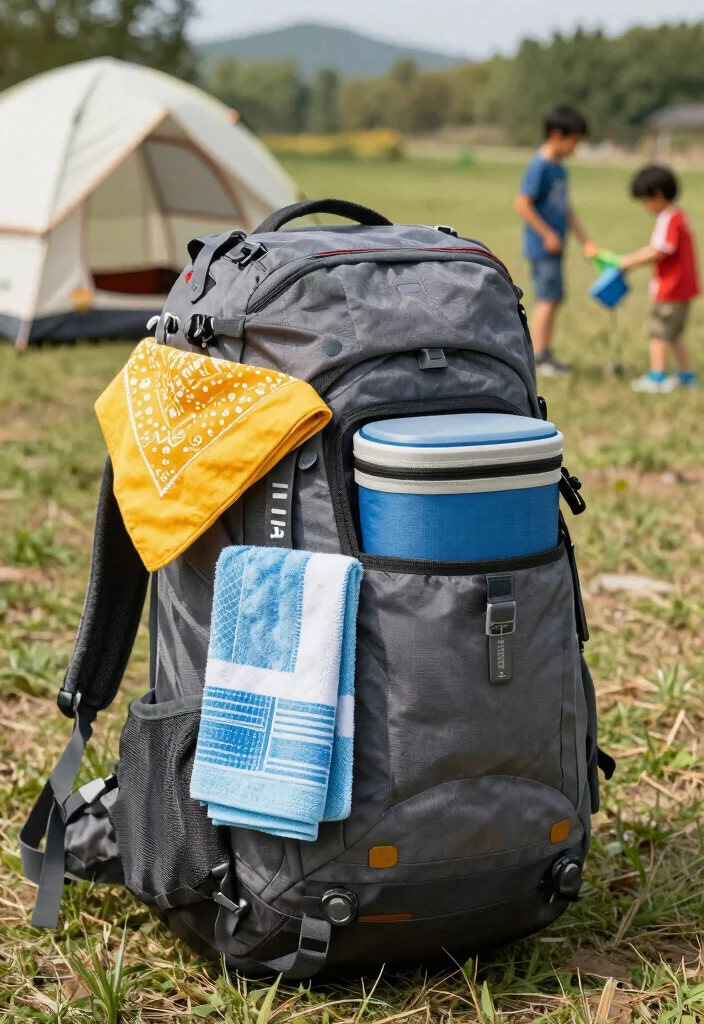
When preparing for camping, think about packing multi-use items that save space and weight. Gear that serves multiple functions helps streamline your packing list and keeps your campsite organized.
For instance, a bandana can function as a pot holder, a sunshade, or a cleaning cloth. Here are some versatile items to consider:
– Camping Towels: Quick-drying towels can dry off, serve as seating, or clean up.
– Cooler Bags: Use a cooler bag for food storage that can double as a seat.
– Duct Tape: Essential for quick gear repairs or tent fixes.
Using multi-use items enhances convenience and efficiency for your family camping adventure.
11. Use Natural Bug Repellents
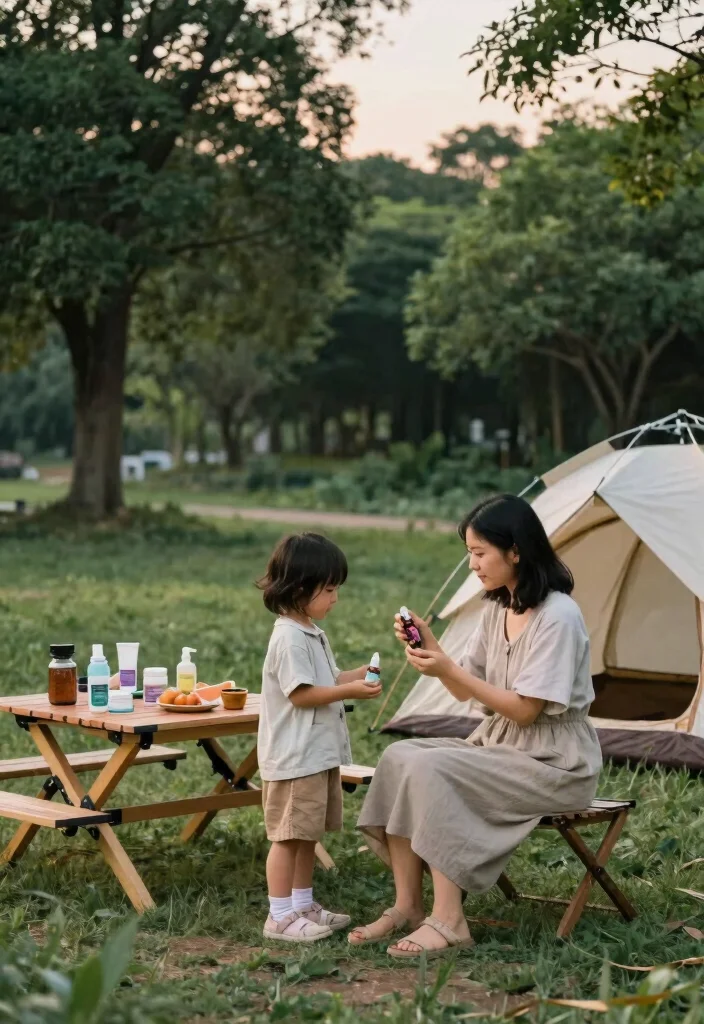
Bugs can be bothersome while camping, especially in warmer months. Instead of relying on chemical repellents, opt for natural alternatives that are safer for both your family and the environment.
Essential oils like citronella, lemon eucalyptus, and lavender can help keep pests away. Combine a few drops of these oils with water in a spray bottle for an easy, effective repellent. Additional tips include:
– Wear Light-Colored Clothing: Bugs are less attracted to lighter colors.
– Avoid Scented Products: These can draw insects closer.
– Set Up Camp Wisely: Stay clear of areas with standing water.
Choosing natural options allows you to enjoy camping without pesky bug interruptions!
Use Natural Bug Repellents
Editor’s Choice

Wondercide – Mosquito, Tick, and Insect Repellent with Natural Essential…

Murphy’s Naturals Mosquito & Tick Bug Repellent Spray, Oil of Lemon Euca…

California Baby Natural Bug Spray | DEET Free Mosquito Repellent | Baby …

Badger Bug Spray, Family Friendly All Natural Mosquito Repellent w/Organ…

No Mosquitoz Botanical Insect Repellent, DEET-Free, Made with Natural Es…
12. Prepare for Weather Changes
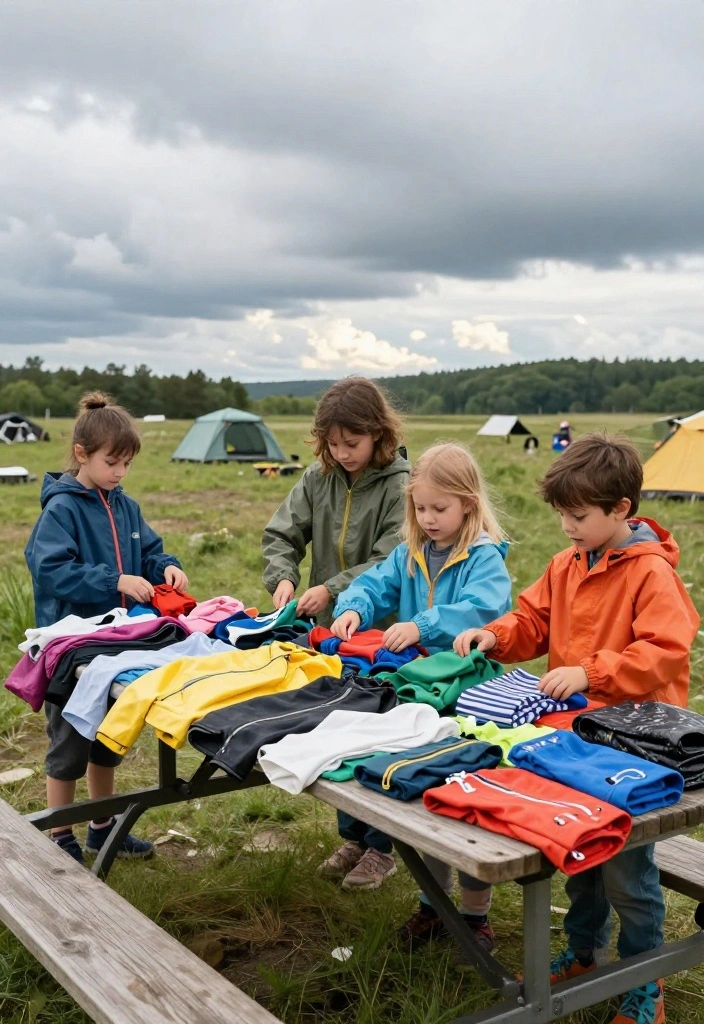
Weather conditions outdoors can shift rapidly, so preparation is essential. Check forecasts before your trip and pack accordingly. Bring layers of clothing, including swimwear, rain jackets, and warm gear for chilly evenings.
Keep an extra set of clothes packed in waterproof bags for unexpected weather changes. Here’s a breakdown of essentials for varied conditions:
– Layering Options: Include base layers, mid-layers, and waterproof outer layers.
– Quick-Dry Fabrics: These are key for comfort and adaptability.
– Good Footwear: Waterproof boots and shoes are must-haves.
By being prepared for the weather, you ensure your family stays comfortable regardless of what nature throws your way!
Pro tip for tent camping hacks campsite: weather can flip in minutes. Pack layers: base, mid, and outer waterproof gear, plus an extra clothes set in a waterproof bag, so chilly nights or sudden rain don’t derail your trip. Preparation keeps comfort and safety intact.
13. Storytelling Time
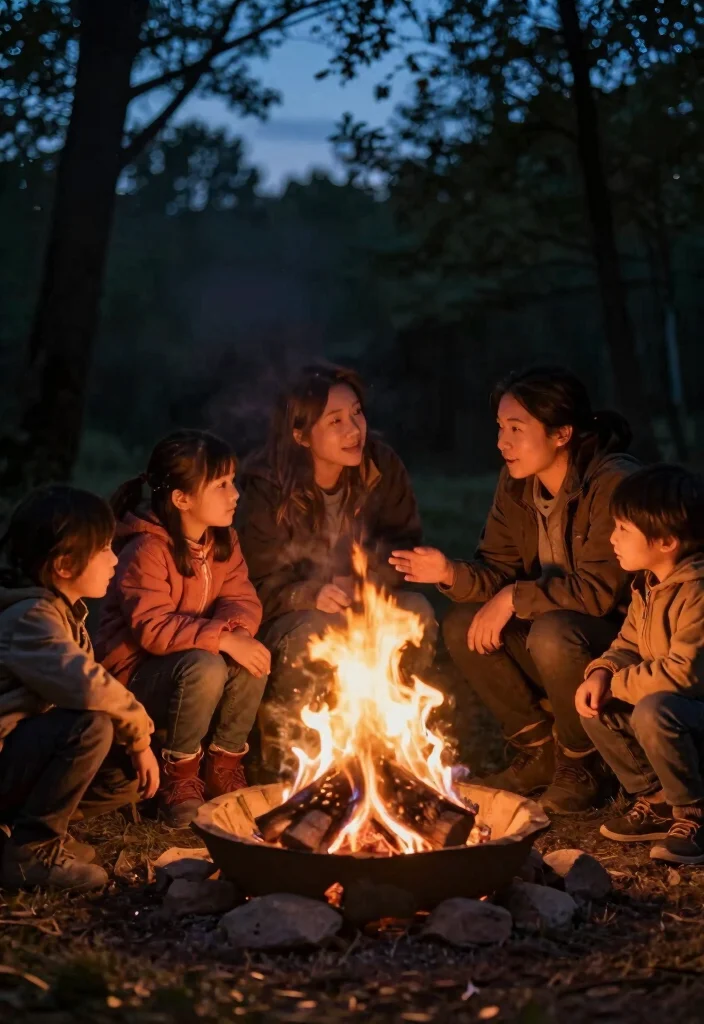
One of camping’s greatest joys is the quality time spent together. Start a tradition of storytelling around the campfire to bond with your family and ignite creativity!
Encourage everyone to share their favorite stories, whether real or imaginary. You might consider setting themes for storytelling nights, like past camping adventures or tales of bravery. Here are some storytelling tips:
– Inclusivity: Make sure everyone has a chance to share, even the shy ones!
– Props: Use nearby items as props to enhance the stories.
– Wildlife Stories: Share experiences about animals you’ve spotted or wish to see.
Storytelling not only entertains but also deepens family connections and nurtures imagination.
Storytelling Time
Editor’s Choice

City Bonfire S’Mores Night Pack | 1 City Bonfires | Makes 4 S’Mores | Po…

4 Pack of Portable Campfire, Compact Outdoor Portable Fire Pits 3-5 Hour…

Portable Campfire, Holder and Extinguish Included, Reusable Fire Pit for…

Outland Living Portable Propane Fire Pit, 19-inch, 58,000 BTU with Fire …

22.5 Inch Portable Hexagon Fire Pit with Travel Bag — Smokeless Patented…
14. Leave No Trace
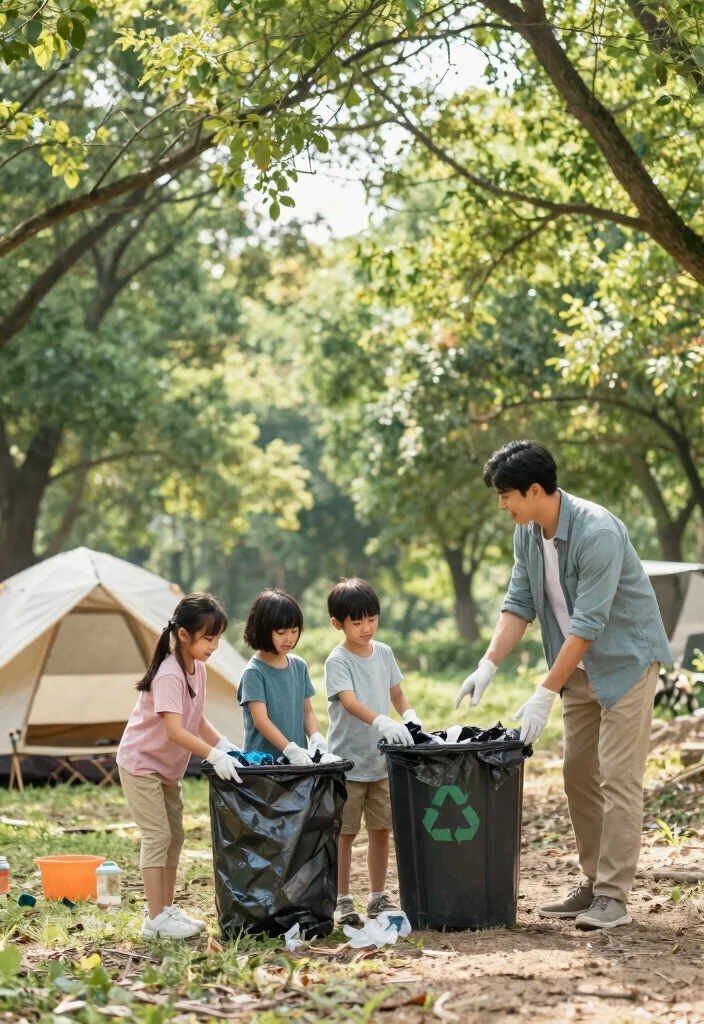
It’s vital to teach your family about the importance of leaving no trace. This practice isn’t just about respecting nature; it’s about preserving it for future campers.
Before you leave your site, ensure all trash is collected, any fires are completely extinguished, and the campsite is clean. Make it a fun game with kids to see who can find the most litter to recycle. Here are some principles to follow:
– Plan Ahead: Choose sustainable practices while camping.
– Respect Wildlife: Observe animals from a distance and avoid disturbing them.
– Stay on Trails: Protect nature by following marked paths.
Leading by example helps keep the beauty of the outdoors intact for generations to come!
Leave No Trace
Editor’s Choice

Collapsible Bin Trash & Recycle/Utility, Perfect for Camping, Laundry, S…

Coghlan’s Pop-Up Lightweight Trash Can – Collapsible Waste Bin for Campi…

blubag Reusable Recycling Bag, 13-Gal Tall Kitchen, basic edition – Para…
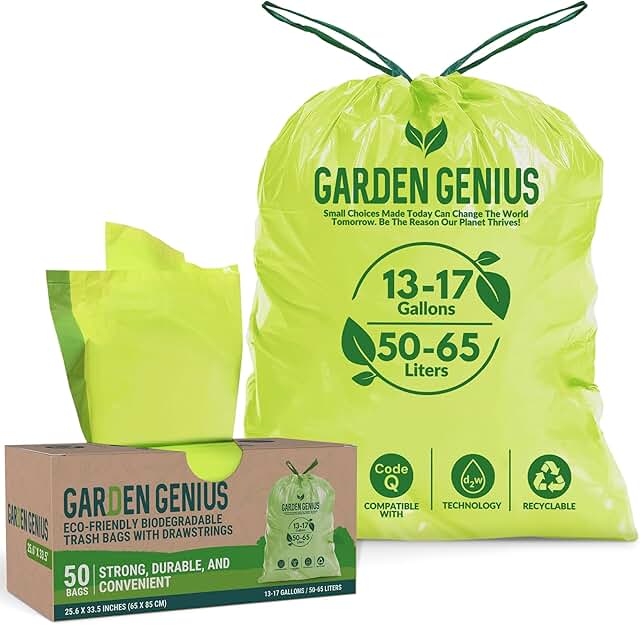
Biodegradable 13-17 Gallon Code-Q Trash Bags (50 Pack) | Strong Heavy-Du…

Hippo Sak – Plant Based Tall Kitchen Garbage Bags with Ergonomic Handles…
15. Enjoy the Journey

Finally, remember that camping is about enjoying the journey, not just reaching a destination. Make the most of your time outdoors by exploring trails, playing games, and appreciating nature’s beauty.
Embrace the little moments, from stargazing to roasting marshmallows over the fire. Reflect on your experiences at the end of each day, sharing what everyone loved most. Consider these suggestions:
– Capture Photos: Document your adventure with snapshots.
– Gratitude Sharing: Have each family member express what they’re thankful for during the trip.
– Relax Together: Find moments for quiet reflection under the stars.
By embracing the journey, you’ll create unforgettable camping memories!
Conclusion
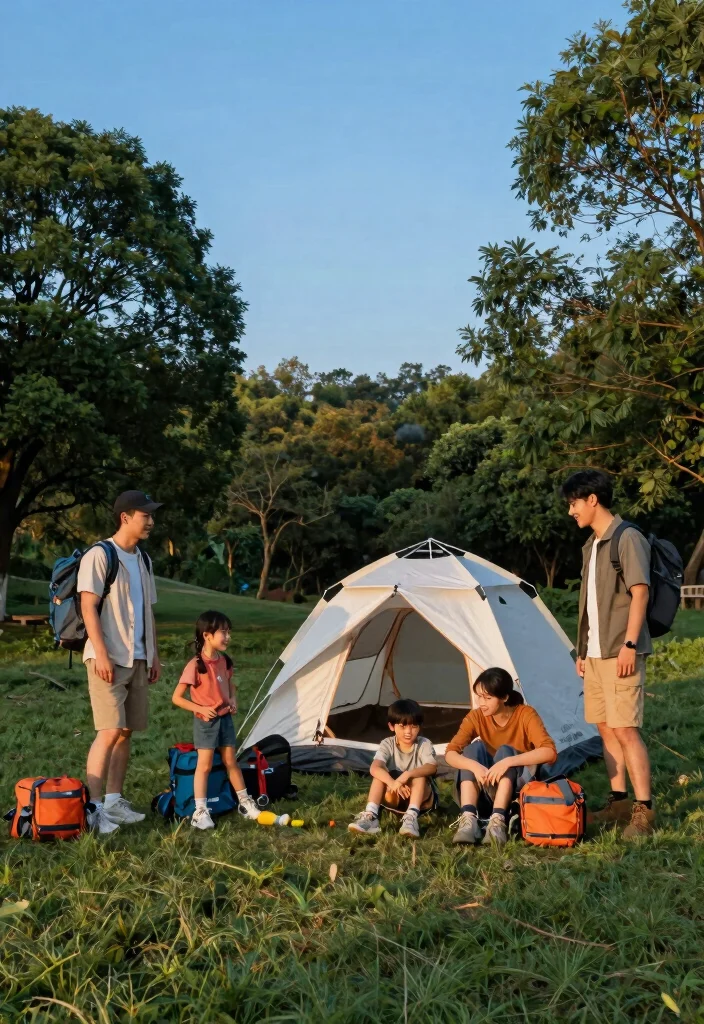
Embarking on a family camping trip is an adventure filled with laughter, bonding, and unforgettable moments. These tent camping hacks campsite setup tips can transform your experience into something truly enjoyable and hassle-free.
With proper planning, organization, and a touch of creativity, you’ll create lasting memories that your family will cherish for years to come. So gear up and dive into your next outdoor journey with enthusiasm!
Note: We aim to provide accurate product links, but some may occasionally expire or become unavailable. If this happens, please search directly on Amazon for the product or a suitable alternative.
This post contains Amazon affiliate links, meaning we may earn a small commission if you purchase through our links, at no extra cost to you.
Frequently Asked Questions
What are the best tent camping hacks for a beginner campsite setup?
Starting with the basics, the best tent camping hacks for a beginner campsite setup include choosing level ground, laying a footprint, and using a simple layout to keep gear organized. Prepare a quick setup routine: unroll the tent, stake corners, then run guylines for stability.
To tackle campsite organization ideas, create zones for sleeping, cooking, and storage, and keep all stakes and guylines in a labeled bag. Always check the outdoor camping essentials list and pack the beginner camping gear you actually use. With a little practice, your tent camping hacks campsite will save you time and energy on every trip.
What essential gear should beginners bring for a smooth tent setup and camping?
Start with the basics: a good tent with a footprint and rainfly, a comfortable sleeping setup, a portable stove and cookware, water containers, a headlamp, a first-aid kit, weather-appropriate clothing, and a small daypack for essentials. This aligns with outdoor camping essentials and beginner camping gear lists.
Pack the tent setup in labeled bags, bring a tarp for extra shelter, carry a groundsheet, spare guylines, and a repair kit. Keeping you tent setup tricks and campsite organization ideas in mind makes setup fast and stress-free.
How can families stay organized and keep kids engaged at the campsite with simple hacks?
For families, organization is key. Create a simple campsite layout with clearly defined zones for sleeping, cooking, and play. Use tent setup tricks like color-coded bins and labeled cords to avoid tangles. Bring easy activities, kid-friendly snacks, and a quick daily routine to reduce transitions.
When you combine campsite organization ideas with kid-friendly routines and camping tips for beginners, you’ll turn the campsite into a safe, fun space where everyone feels involved and supported.
How do I protect the campsite from rain and keep the tent dry after a storm?
Pitch the tent with the door away from prevailing wind and use a ground tarp plus a rainfly for maximum protection. Add guylines and a detachable tarp to create a dry vestibule for gear.
Ventilate to reduce condensation and store wet items in waterproof bags. Keep a small kit with spare parts for quick repairs, and always dry things off before packing up to avoid damp gear lingering in the car or backpack.
What are practical campsite organization ideas to make cooking, sleeping, and relaxing easier for beginners?
Think zones: cooking area, sleeping area, and gear storage, all kept tidy with labeled bags and a simple bin system. Use a compact table, a hanging organizer, and a duffel that opens into a ready-to-use kitchen. Prepare a quick meal plan and pre-cut snacks to minimize fuss, and keep commonly used items within arm’s reach to maximize tent camping hacks campsite efficiency.
With these campground tips for beginners, your campsite becomes comfy and easy to navigate.
Related Topics
tent camping hacks
campsite setup
beginner camping tips
outdoor essentials
family camping
tent setup tricks
campsite organization
easy camping
quick camping hacks
nature adventure
beginner friendly
summer camping