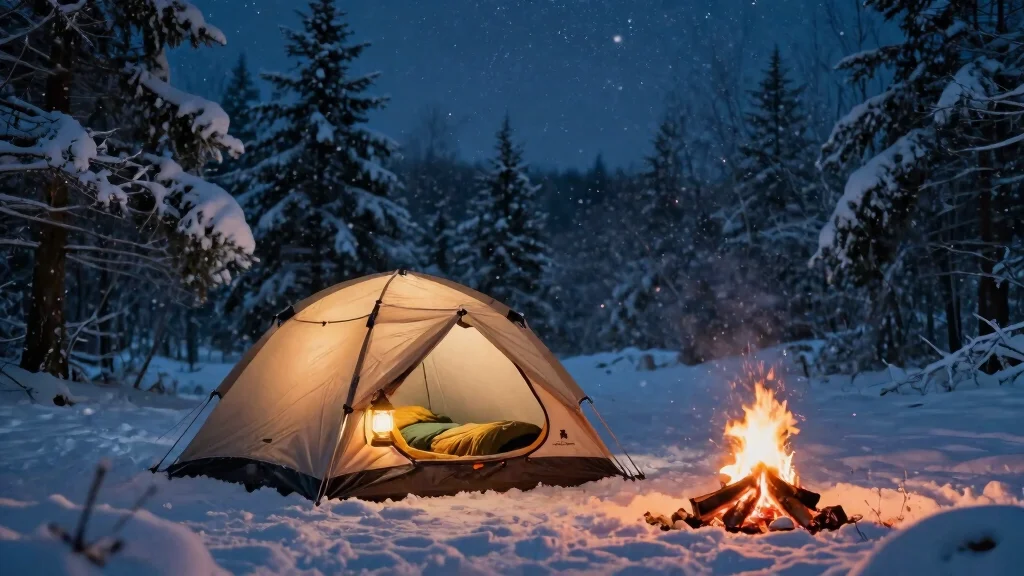
Camping in winter can be enchanting, with snow-covered landscapes and crisp air. But let’s be real: the thought of a cold night in a tent can send shivers down your spine. That’s why I created this post. I want to help you enjoy the great outdoors without losing sleep over the temperature. Whether you’re a seasoned winter camper or a curious newbie, finding ways to stay warm and cozy at night is essential for a successful trip.
If you love winter adventures, this guide is for you. You’ll discover practical and clever camping sleeping hacks that will keep you warm, make your nights more restful, and help you fully experience the beauty of winter camping. From choosing the right sleeping gear to setting up your tent wisely, I’ve gathered 17 effective tips that are easy to implement and will enhance your outdoor sleep experience. So, get ready to snuggle up and make the most of your nights under the stars, no matter how low the temperature drops!
Get cozy and read on, as these camping sleeping hacks will transform your chilly nights into warm, peaceful slumbers you’ll look forward to on every trip.
Key Takeaways
– Choose the Right Sleeping Bag: Ensure your sleeping bag is rated for the temperatures you’ll face, so you can stay warm all night long.
– Layer Your Sleeping Gear: Wearing thermal layers can help trap heat, keeping you toasty when the temperatures plummet.
– Use a Sleeping Pad: A good sleeping pad adds insulation from the cold ground, making a significant difference in your comfort level.
– Create a Nest with Blankets: Surrounding yourself with blankets can create a cozy sleeping environment that’s perfect for cold nights.
– Avoid Cotton Fabrics: Cotton absorbs moisture and dries slowly, which can make you feel colder; opt for synthetic or wool materials instead that wick moisture away from your body.
1. Choose the Right Sleeping Bag
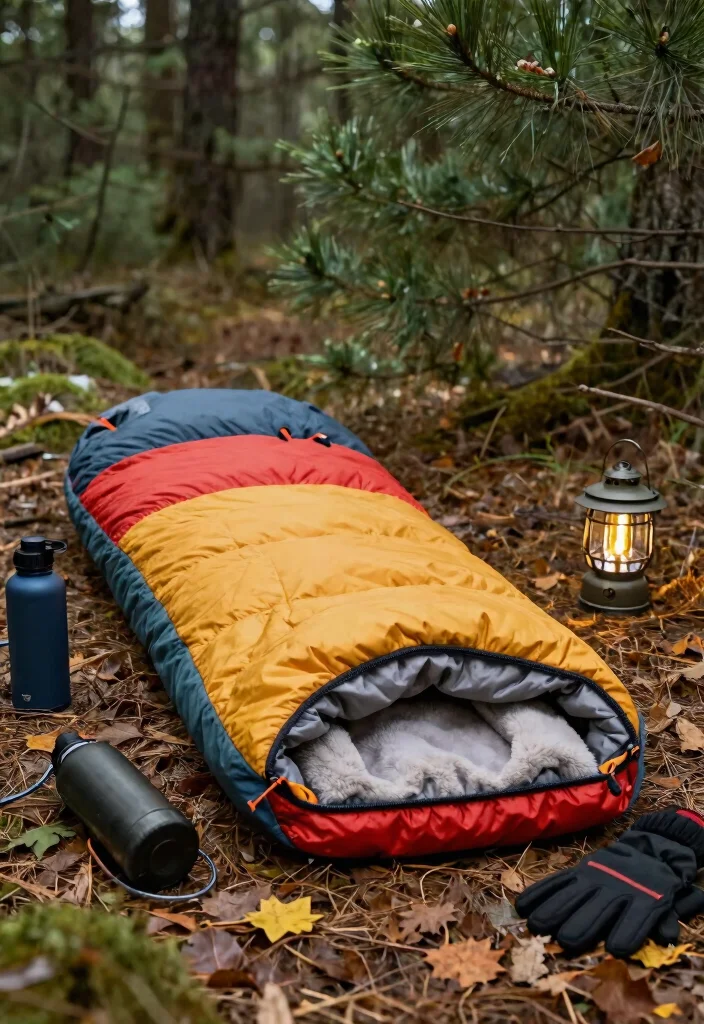
A good night’s sleep starts with the right sleeping bag, especially when camping in cold weather. Look for a bag specifically rated for winter, ideally featuring down insulation for its superb warmth-to-weight ratio. A bag with a hood can further enhance your comfort by trapping heat around your head and neck, making those chilly nights cozier.
Think about how you sleep; some prefer a bit of roominess while others like a snug fit. Test the zipper functionality, as a smooth zipper can make a significant difference in cold conditions. Adding a sleeping bag liner can offer extra warmth and comfort while keeping your bag clean.
Key features to consider:
– Select a sleeping bag with a draft collar to minimize cold air entry.
– Try out the sleeping bag at home to ensure it meets your warmth needs.
– Look for a two-in-one bag that zips with another for additional warmth when camping with a partner.
This choice ensures you stay warm and comfortable, making your camping experience far more enjoyable.
2. Layer Your Sleeping Gear
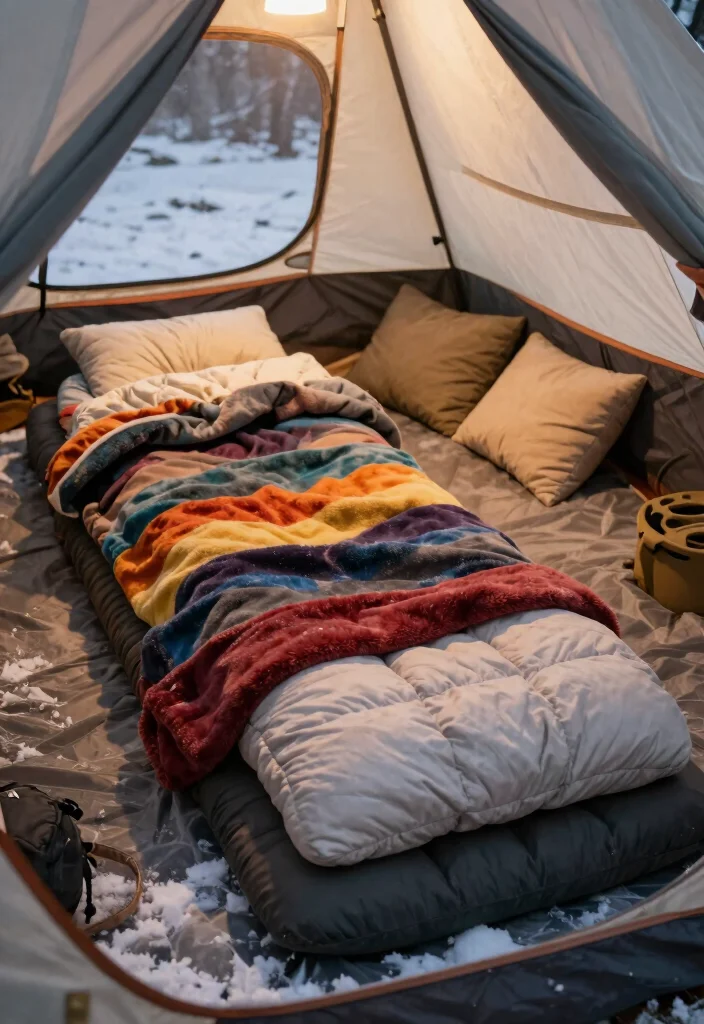
Layering your sleeping gear can significantly enhance your warmth during camping trips. Start with a moisture-wicking base layer to keep sweat away from your skin. Then, add an insulating layer, such as fleece or down, to trap heat effectively. Finally, top it off with a waterproof, breathable outer layer for protection against the elements.
Remember, layering isn’t just for your clothes; incorporate blankets and sleeping pads into your setup. A thick foam pad can insulate you from the cold ground, while multiple blankets can create a warm cocoon around you.
Consider these tips:
– Ensure layers aren’t too tight to avoid restricting circulation.
– Keep an extra layer nearby for unexpected temperature drops.
– Invest in a sleeping pad with a suitable R-value for winter camping.
This strategy not only keeps you warm but also provides the comfort needed for a restful night in nature.
3. Use a Sleeping Pad
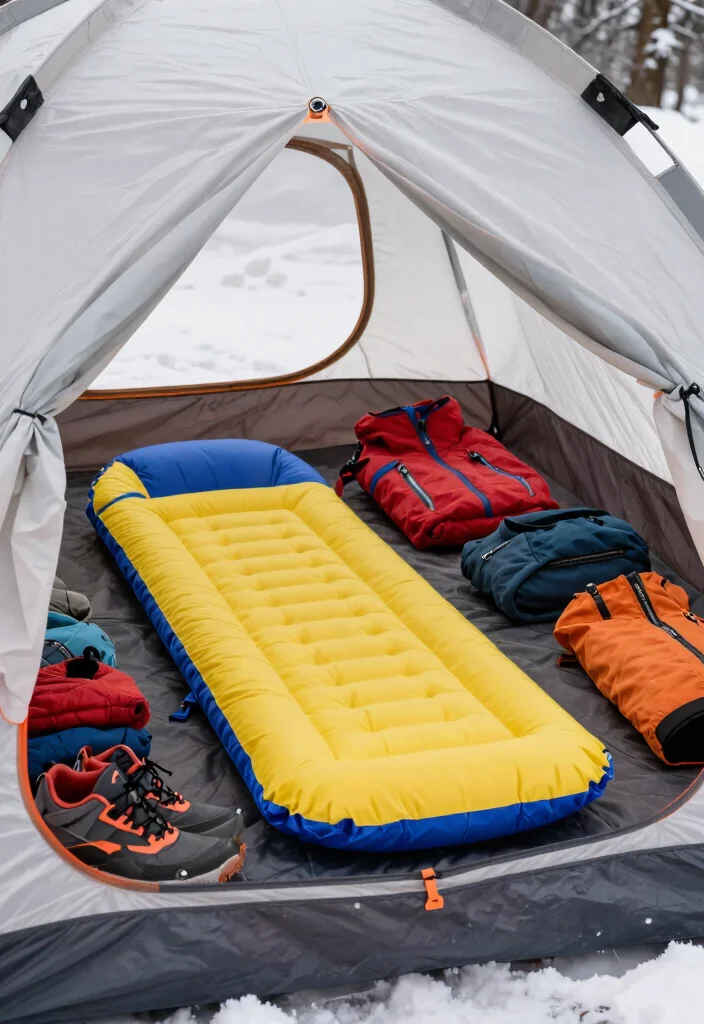
Don’t overlook the importance of a high-quality sleeping pad during your outdoor adventures! A good sleeping pad provides insulation from the cold ground and adds a layer of comfort to your sleeping area. Look for pads with high R-values specifically designed for winter camping to maximize warmth.
Inflatable pads are great for packing light, but self-inflating options often offer better insulation. Consider using two pads: place a thinner pad on top of a thicker one to enhance warmth. This simple hack can make a big difference in your overall camping comfort.
Here are some tips:
– Always check for leaks before your trip to avoid surprises.
– Consider adding a foam pad underneath for extra insulation.
– Practice setting up your sleeping pad to ensure a comfortable fit in your tent.
Using a proper sleeping pad can significantly elevate your camping experience by ensuring restful sleep.
Use a Sleeping Pad
Editor’s Choice

Hikenture 4″ Thick Self Inflating Sleeping Pad, Foam & Air Camping Mattr…


HiiPeak Memory Sleeping Pad, Compact Thick Foam Sleeping Mats with Pillo…

Hikenture Camping Sleeping Pad with 6.2 R-Value, Ultralight Camping Matt…

NEMO Equipment Tensor All-Season Ultralight Insulated Sleeping Pad – Reg…

Sea to Summit Ether Light XR Insulated Sleeping Pad, Rectangular – Regul…
4. Create a Nest with Blankets
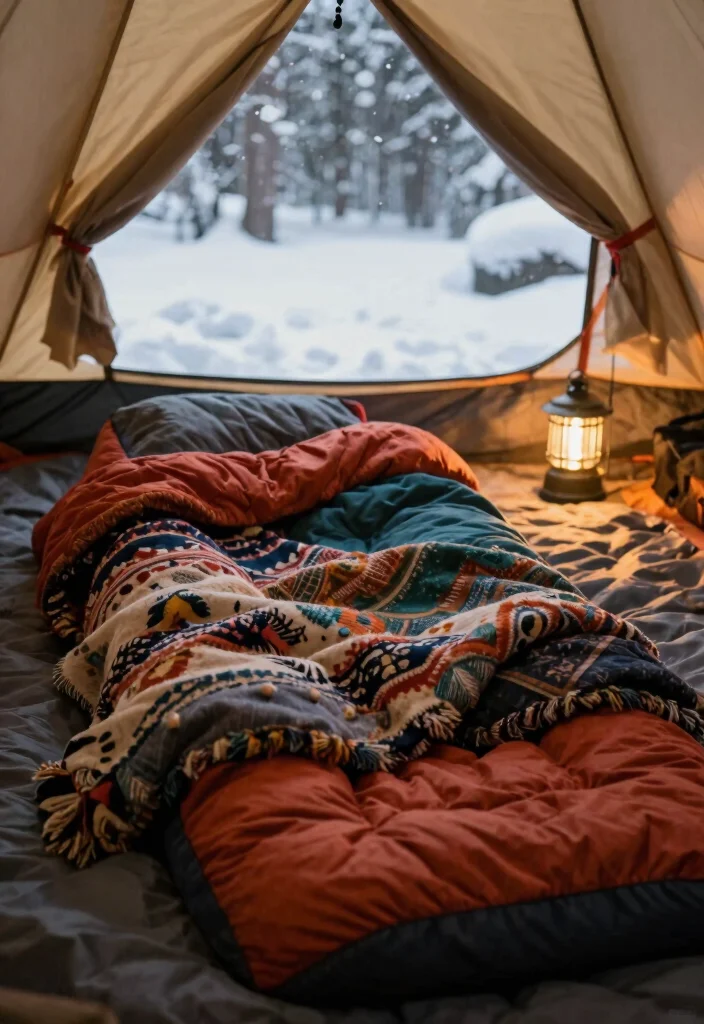
When the temperature drops, creating a cozy nest with blankets can be a game changer for your camping comfort. Layer several blankets over your sleeping bag to trap heat and enhance comfort. A combination of thermal blankets and fleece throws works wonders for keeping you warm throughout the night.
When layering, start with the heaviest blanket at the bottom and the lightest on top to maximize heat retention. This technique not only keeps you warm but also adds a touch of coziness, making your sleeping area feel more like home.
Consider these ideas:
– Use reflective emergency blankets as an added layer for better heat retention.
– A sleeping bag liner can boost warmth and act as a barrier.
– Bring a good pillow or stuff a jacket into a sack for a makeshift pillow.
This simple hack transforms your sleeping setup, providing a warm and inviting space for a good night’s sleep.
Create a Nest with Blankets
Editor’s Choice

Emergency Foil Blanket (Pack of 50), Survival Thermal Mylar Blankets Ind…

REDCAMP Large Camping Blanket with Sherpa Lining, Cold Weather Warm Outd…

Litume All Season Fleece Sleeping Bag Liner Adds Up to 27°F/ 15°C, Light…

Utopia Bedding Fleece Blanket Queen Size Ash Grey (90×90 Inches) Ultra S…
![Utopia Bedding Smoke Gray 100% Cotton Blanket [Queen Size - 90x90 Inch] ...](https://m.media-amazon.com/images/I/81KJbdP5KpL._AC_UL320_.jpg)
Utopia Bedding Smoke Gray 100% Cotton Blanket [Queen Size – 90×90 Inch] …
5. Keep Your Head and Neck Warm

A significant amount of heat escapes from your head and neck, making it essential to keep these areas warm for a restful sleep. Wearing a beanie or knitted hat can help, as can a neck gaiter or scarf. If your sleeping bag features a drawstring, use it to seal in warmth around your face and neck.
Consider adding a sleeping mask or a silk covering over your neck for extra comfort and insulation. This not only retains warmth but also ensures you feel snug and cozy throughout the night.
Here are some tips:
– Pack a neck pillow or use clothing to elevate your head for better circulation.
– Secure your sleeping bag around your head to minimize heat loss.
– Invest in a high-quality insulated hood to enhance warmth in freezing conditions.
By focusing on these areas, you can significantly improve your comfort and warmth while you sleep outdoors.
6. Use Hand Warmers
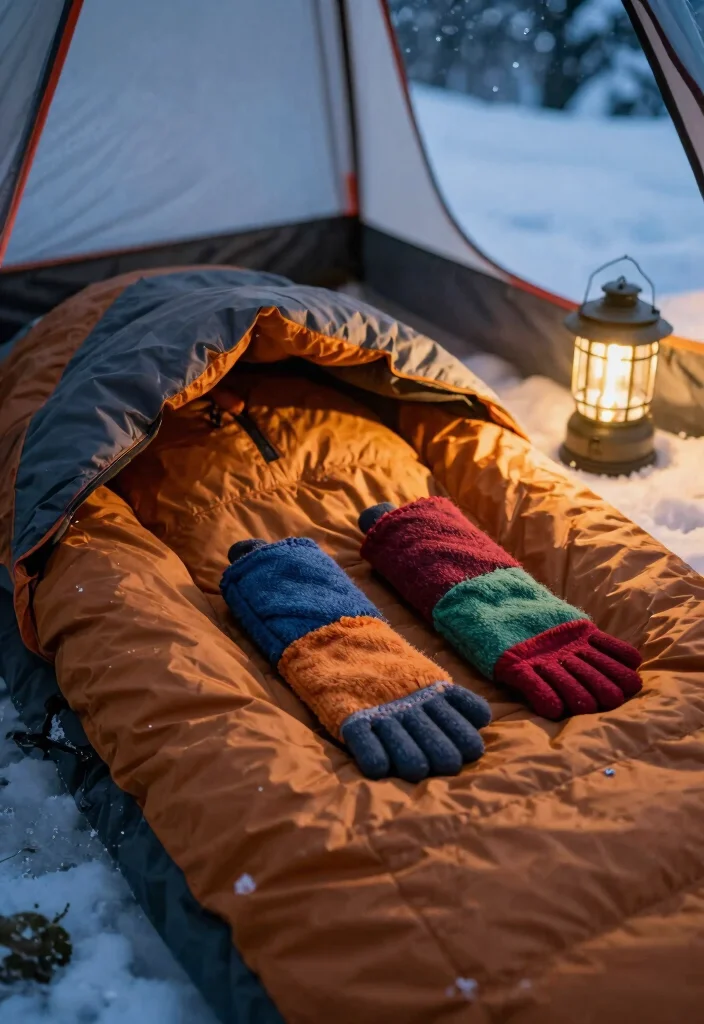
Hand warmers are an effective and portable solution for chilly nights. These small packets can be placed inside your sleeping bag or clothing just before bed to ensure a warm start to the night. Available in both disposable and reusable forms, choose the type that fits best with your camping gear.
Activate them right before you climb into your sleeping bag for maximum heat. You can also tuck a couple into your socks for extra warmth on particularly cold nights.
Consider these tips:
– Place hand warmers in pockets or pouches for immediate warmth.
– Check the temperature range to ensure they fit your winter needs.
– If using reusable options, ensure they are charged before your trip.
Hand warmers can make a noticeable difference, helping you stay toasty throughout the night.
One extra warmth can turn a freezing night into a good night’s sleep—hand warmers tucked in your socks and bag are a game changer for camping sleeping hacks. Activate them before you crawl in, and you’ll wake feeling rested, not shivering.
7. Eat a Warm Meal Before Bed
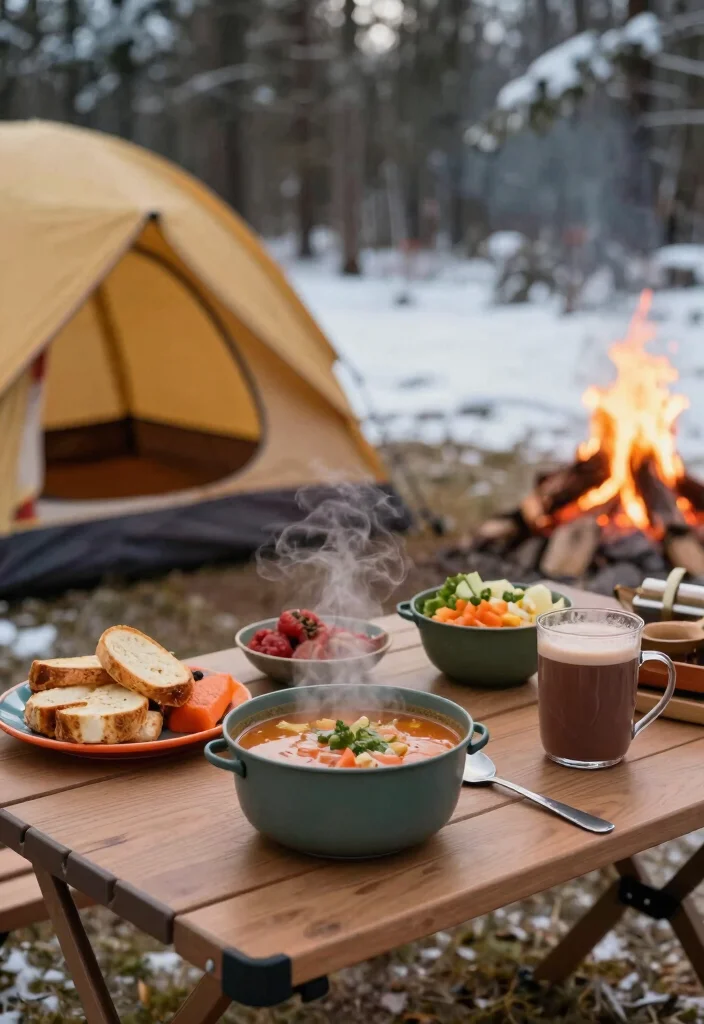
Enjoying a warm meal before bed not only satisfies your hunger but also helps you feel warmer overnight. Foods rich in proteins and fats, like nut butter or cheese, provide energy and warmth. Preparing a simple soup or stew at your campsite can warm you from the inside out.
Sit on your sleeping pad while eating to prevent heat loss to the cold ground. Following your meal with a warm drink like herbal tea or hot chocolate can further enhance your comfort and relaxation.
Here are some meal prep ideas:
– Plan meals that are easy to cook in winter, like instant oatmeal or pasta.
– Bring a thermos filled with hot soup to save cooking time.
– Don’t forget a lightweight camping stove suitable for winter conditions.
Eating warm meals can elevate your camping experience, making you feel cozy and satisfied as you settle in for the night.
8. Avoid Cotton Fabrics

While cotton may be comfortable for daily wear, it’s not ideal for winter camping. Cotton absorbs moisture, which can leave you feeling cold and damp if you sweat. Instead, opt for moisture-wicking materials that help regulate your body temperature and keep you dry all night long.
Invest in thermal underwear, wool socks, and fleece-lined sleeping bags to stay insulated and comfortable, no matter how cold it gets outside. Always check your gear before heading out and remove any cotton items that could lead to a chilly night.
Here are some key points:
– Layering is crucial, so mix materials for comfort and warmth.
– If you get too warm, you can easily peel off layers without losing heat.
– Pack extra socks and base layers for unexpected weather changes.
Choosing the right fabrics will significantly enhance your warmth and comfort during your camping adventure.
How To Choose The Right Sleeping Bag
When it comes to winter camping, choosing the right sleeping bag is essential for a warm and restful night outdoors. You want a bag that keeps you cozy while also being practical for your specific needs. Here are some important factors to consider:
1. Temperature Rating
The temperature rating indicates the lowest temperature a sleeping bag is designed for. Look for a bag rated lower than the coldest temperature you expect to encounter. For winter camping, aim for a bag rated at least 10°F lower than the expected nighttime lows to ensure warmth.
2. Insulation Type
Sleeping bags typically use down or synthetic insulation. Down insulation is lightweight and compresses well, but it loses its warmth when wet. Synthetic insulation, on the other hand, retains warmth even when damp and dries faster. Choose based on your adventure type; if you’re likely to encounter moisture, synthetic is your best bet.
3. Shape and Size
Sleeping bags come in various shapes, including rectangular, mummy, and semi-rectangular. Mummy bags are more thermally efficient and hug your body closely, reducing heat loss. Consider your height and width as well. A bag that’s too small can lead to a chilly night, while one that’s too large may not retain heat effectively.
4. Features and Extras
Many sleeping bags come with added features like hoods, draft collars, or pockets for small items. Hoods trap heat around your head and neck, while draft collars prevent cold air from sneaking in through the zipper. Pockets can hold essentials like snacks or a flashlight for easy access.
5. Budget
Sleeping bags can vary widely in price. Set a budget that aligns with your camping frequency and needs. Remember, investing in a quality bag can improve your overall camping experience. You don’t want to skimp on warmth, so consider it an investment in your comfort.
Pro Tip: Always try out your sleeping bag before your trip. Lay down in it to see if it feels cozy and warm. If possible, check your bag’s performance in cooler temperatures at home before heading out into the wild. This practice can help ensure you pick the right bag for those chilly nights under the stars!
9. Set Up Your Tent Wisely
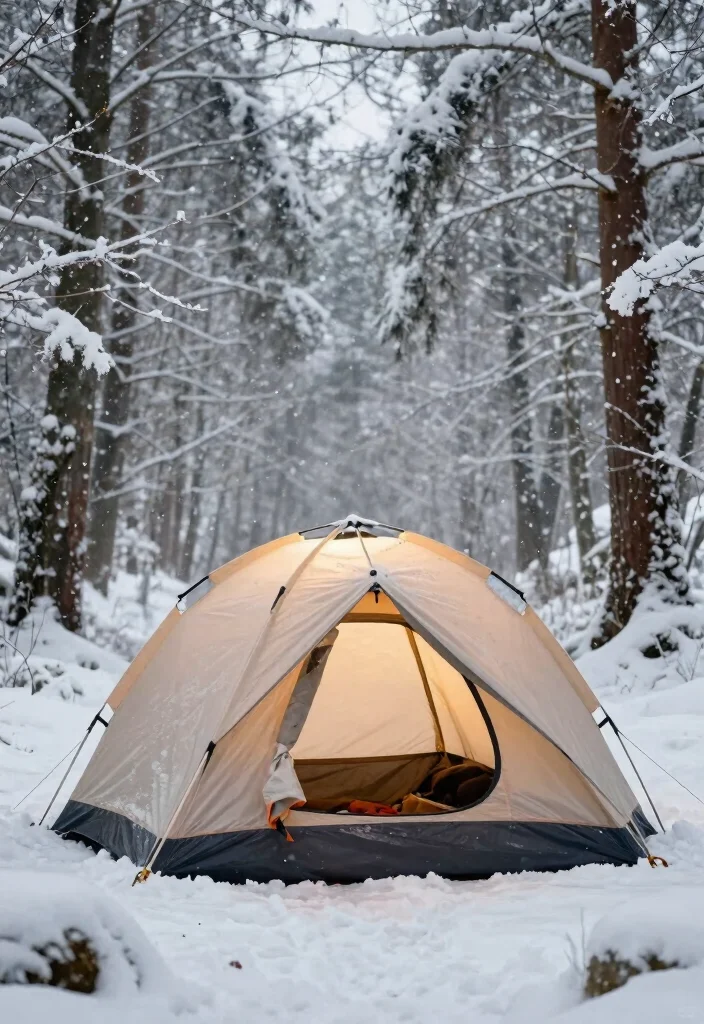
The location of your tent can greatly affect your comfort level during the night. Choose a spot sheltered from the wind, ideally near natural windbreaks like bushes or trees. Ensure the ground is flat and free of rocks or sharp objects. If possible, pitch your tent on snow rather than ice to benefit from its insulating properties.
Before setting up, stomp down the snow to create a solid base and minimize cold drafts. Make sure all zippers and flaps are secure to keep moisture out and warmth in throughout your stay.
Consider these tips:
– Face your tent door away from prevailing winds for added protection.
– Invest in a tent footprint for extra insulation against the cold ground.
– Secure your tent doors tightly before bed to keep warmth inside.
Setting up your tent correctly can make a significant difference in your overall camping experience, ensuring you stay warm and cozy all night long.
Fun fact: Stomping down snow for just 2 minutes creates a solid base that can cut cold drafts by up to 40%. In winter camping, a level tent site near natural windbreaks means warmer, more restful sleep—camping sleeping hacks you can count on tonight.
10. Bring a Hot Water Bottle
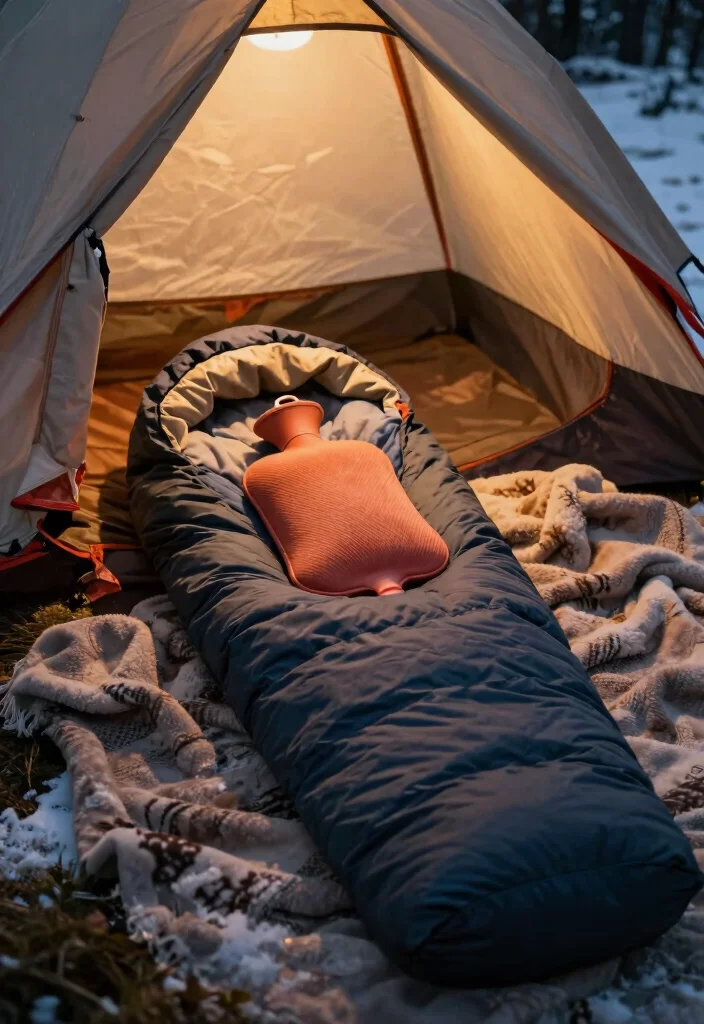
A hot water bottle is a classic and effective way to stay warm while you sleep. Fill it with hot water before bed and tuck it into your sleeping bag for a cozy boost in temperature. Not only does it provide gentle warmth, but it can also help soothe tired muscles after a long day of hiking.
Ensure you use a durable, leak-proof bottle to avoid spills in your sleeping bag. Wrapping the hot water bottle in a towel can add comfort and help regulate its temperature.
Here are some helpful tips:
– If camping with a partner, share a hot water bottle for extra warmth.
– Bring an extra bottle to refill it mid-night if needed.
– Always refill it with hot water before settling down for the night.
Using a hot water bottle can significantly enhance your comfort, making those cold nights feel much more pleasant.
11. Use a Tent Heater
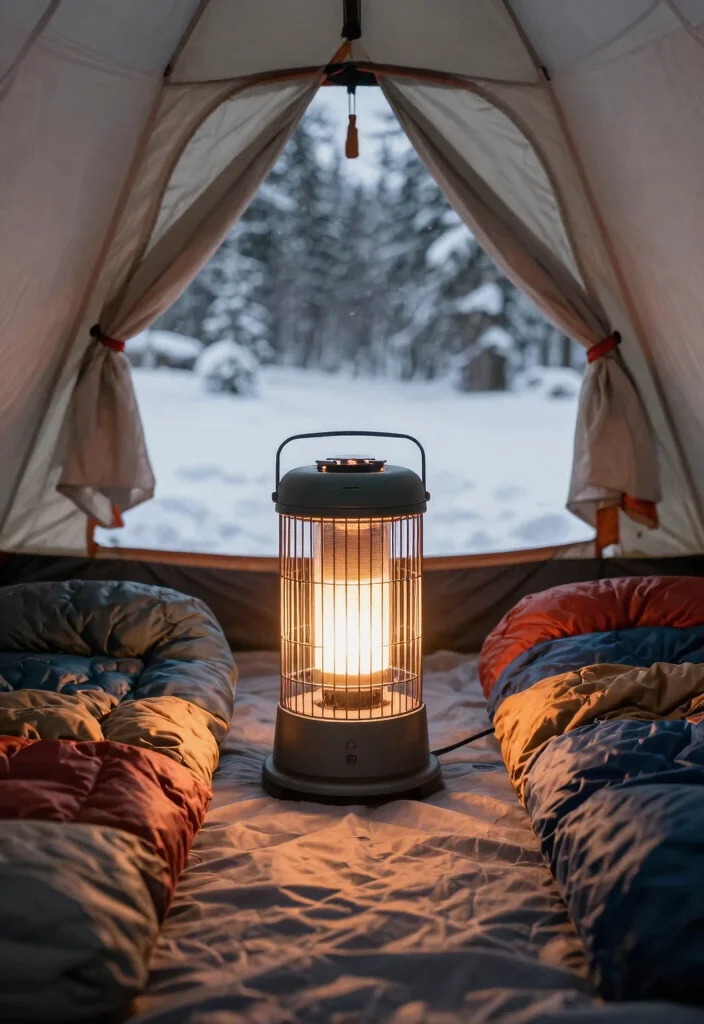
For those seeking extra warmth while winter camping, consider a tent heater. These compact, portable heaters can effectively raise the temperature inside your tent while ensuring safety. Choose a model designed specifically for camping, complete with safety features to prevent carbon monoxide buildup.
Always ventilate your tent while using a heater, even if it’s just a small crack for airflow, to avoid moisture build-up. Place the heater in the center of the tent to distribute warmth evenly.
Here are some considerations:
– Ensure the heater is suitable for your tent size and usage.
– Follow all manufacturer guidelines for safe usage in enclosed spaces.
– Look for battery-operated or propane options for convenience.
A tent heater can significantly improve your comfort level, allowing you to enjoy your camping experience even in colder conditions.
12. Use Sleeping Bag Hoods
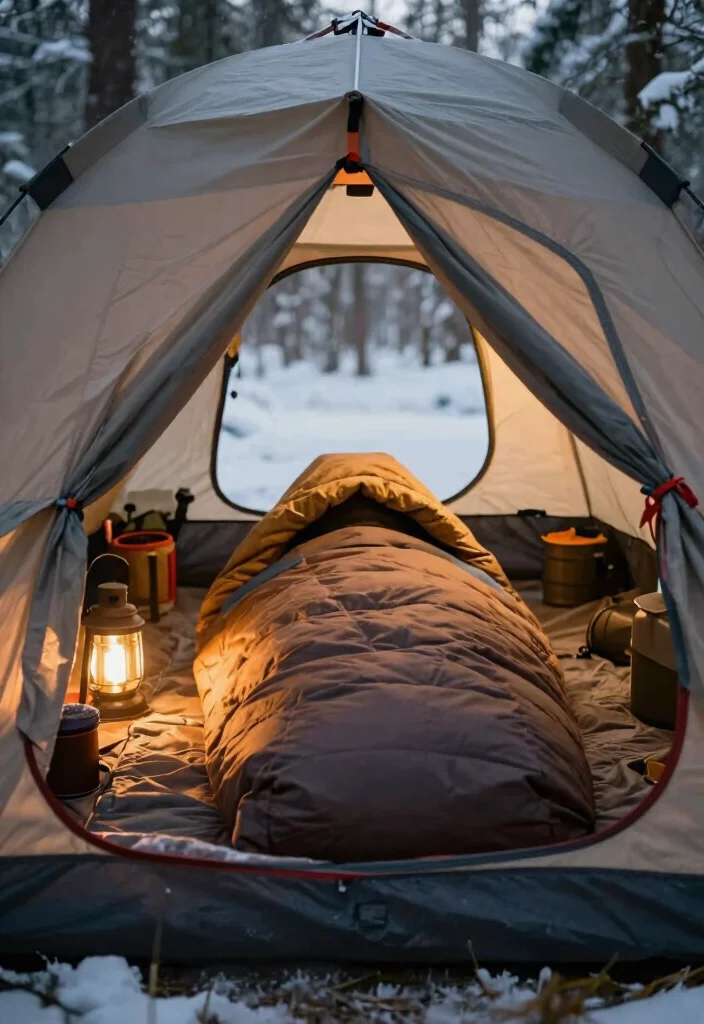
If your sleeping bag has a hood, definitely make use of it! Hoods trap heat effectively around your head, a crucial area where warmth often escapes. Adjust the drawstring to fit snugly around your face to feel a noticeable difference in warmth.
Pair the hood with a beanie for added insulation. Tightening the hood while getting settled helps create a cocoon-like atmosphere that retains warmth.
Consider these tips:
– If your bag lacks a hood, a fleece hat can serve as a substitute.
– Keep your face covered, as exposed skin can lose heat quickly.
– Experiment with different adjustments to find your most comfortable fit.
Utilizing a hood can significantly enhance your sleeping comfort, ensuring you stay warm throughout the night.
Use Sleeping Bag Hoods
Editor’s Choice

Adult Wearable Sleeping Bag with Hoodie, Sleeveless Design Adjustable Dr…

Sleep Pod, a Cozy Hooded Sleeping Bag, a Comfortable Wearable Blanket Pe…

Coleman North Rim 0°F Big & Tall Sleeping Bag, Cold-Weather Mummy Sleep …

Sleeping Bag for Adults, 25-36℉Cold Weather Mummy Sleeping Bag, Lightwei…

Mummy Sleeping Bag – Adult Cold Weather Sleeping Bag Rated to 25°F – Wat…
13. Keep Your Feet Warm
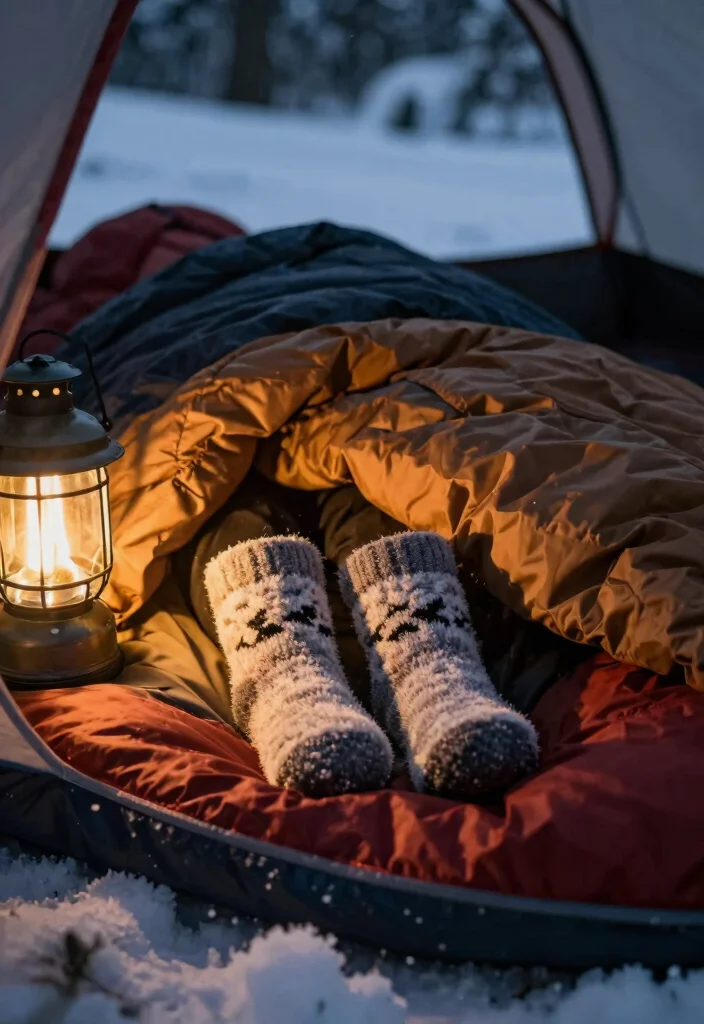
Cold feet can sabotage a restful night’s sleep while camping. Keep your toes toasty by wearing thick wool socks and consider adding insulated booties. If your sleeping bag allows, tuck your socks or booties inside to keep them warm.
When you first get into your sleeping bag, warm your feet by moving them around a bit to boost circulation and keep them warm throughout the night.
Here are some practical tips:
– Avoid tight-fitting socks that can restrict circulation and lead to colder feet.
– Use sock liners to wick moisture away from your skin.
– If you get too warm, you can always remove layers to maintain comfort.
Keeping your feet warm can make a world of difference, helping you sleep soundly under the stars.
Keep Your Feet Warm
Editor’s Choice

Down Booties Warm Socks for Men & Women – Ultralight Sleeping Sock for C…

Down Booties Warm Socks Ultralight Sleeping Sock for Camping, Backpackin…

Down Booties Warm Socks for Men & Women – Ultralight Sleeping Sock for C…

Naturehike Ultralight Duck Down Booties for Adults, Waterproof Winter Wa…

Winter Goose Down Booties for Men & Women – Warm Soft Cozy Water-Resista…
14. Use a Windbreaker Layer
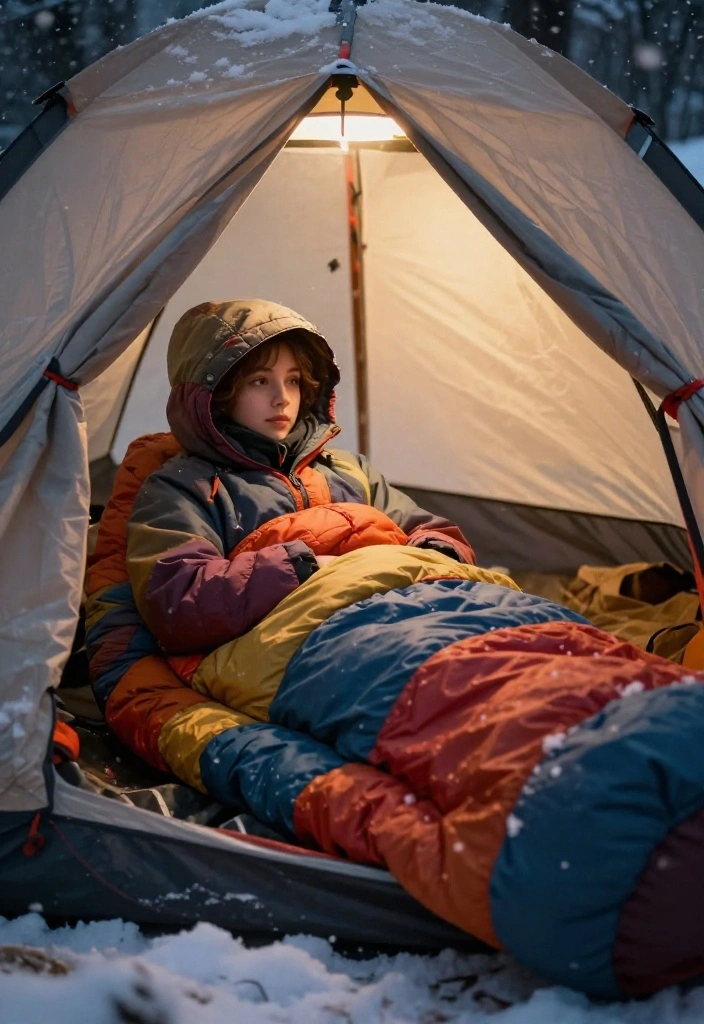
Wearing a windbreaker jacket as an outer layer can offer extra warmth while you sleep. After a long day of hiking, slipping on a lightweight windbreaker over your sleeping clothes can make a significant difference. This layer blocks cold drafts, helping you retain body heat effectively.
Ensure your windbreaker is breathable to avoid overheating during the night. If you’re using a sleeping bag, make sure the windbreaker fits loosely to allow for air circulation.
Consider these points:
– You can easily remove this layer if you feel too warm.
– Utilize integrated pockets for essentials like phones or hand warmers.
– Choose a jacket with moisture-wicking properties for added comfort.
Adding a windbreaker layer can greatly improve your warmth and overall camping experience.
15. Store Gear Inside the Tent
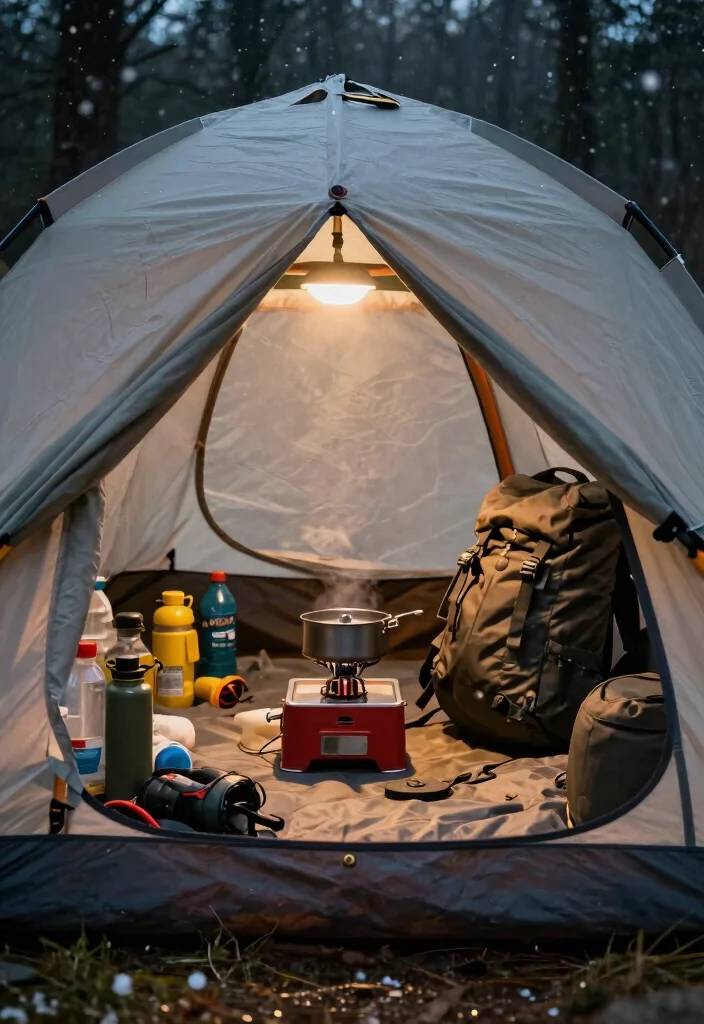
To prevent your camping gear from freezing overnight, bring it inside your tent. Items like water bottles, electronics, and extra clothing can freeze quickly if left outside. Storing them inside not only protects your gear but also adds warmth to your sleeping area.
Designate a specific corner for gear storage to keep your sleeping space tidy and organized, making it easier to find essentials in the morning.
Here are some storage tips:
– Store items that need warmth, like batteries and cooking fuel.
– Avoid overloading your tent to maintain sleeping space and comfort.
– If space allows, cluster your gear together to create a bubble of warmth.
Keeping your gear inside can enhance your comfort and ensure everything is ready for your next adventure.
16. Consider a Tent with Insulation
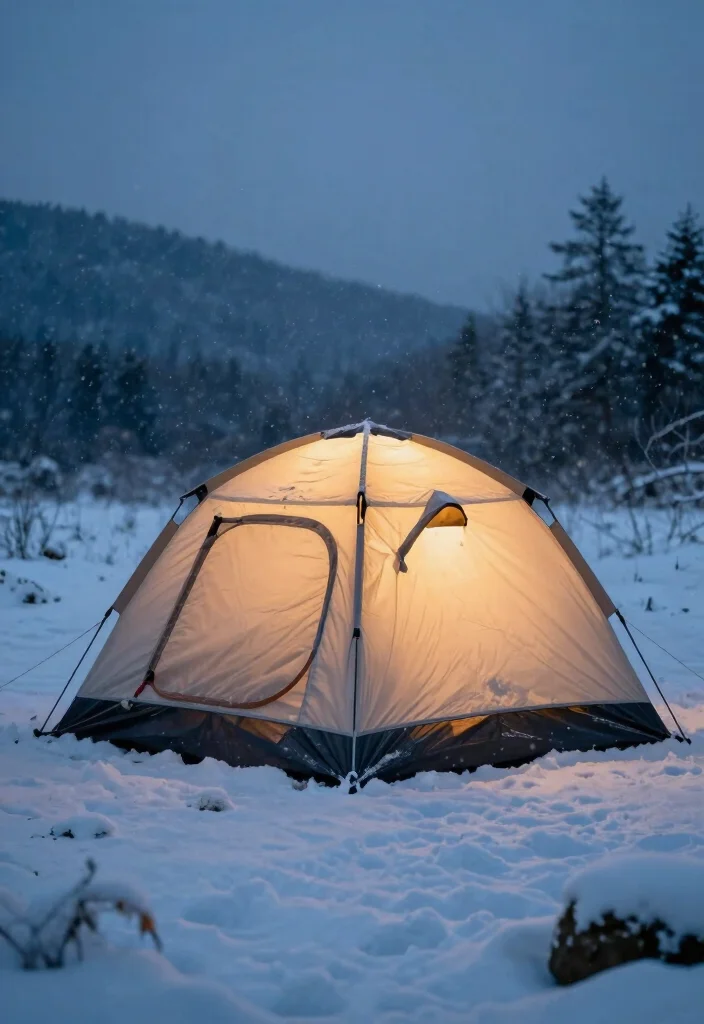
Investing in an insulated tent can drastically enhance your winter camping experience. These tents are designed to trap heat and minimize heat loss, keeping you warm even in the coldest weather. When shopping, look for tents made with thicker materials and high waterproof ratings for added protection.
Ensure your tent comes with a rainfly to guard against moisture during winter storms. A well-insulated tent reduces the need for multiple heating sources, making your camping trip more comfortable.
Here are some factors to keep in mind:
– Read reviews focusing on winter camping performance.
– Consider a four-season tent if you frequently camp in extreme conditions.
– Look for features that enhance insulation and warmth retention.
Choosing the right tent can transform your winter camping adventures, ensuring you stay warm and cozy all night long.
Winter nights don’t have to mean tossing and turning. An insulated tent feels like a warm hug, turning cold air into calm sleep. Pair it with a rainfly and your camping sleeping hacks finally pay off.
17. Be Mindful of Your Hydration
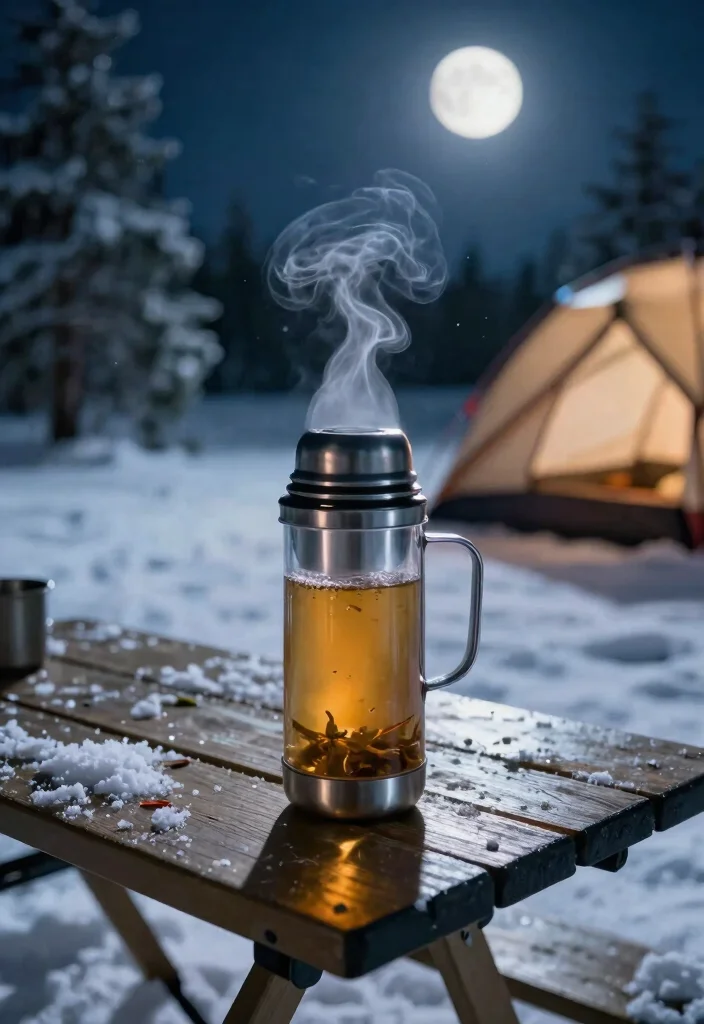
Staying hydrated is essential, even in cold weather! Drink warm fluids throughout the day and keep a thermos filled with hot beverages close by. This helps maintain your body temperature and prevents dehydration, which can leave you feeling colder.
Use insulated bottles to keep your drinks warm for several hours. Avoid excessive caffeine or alcohol, as these can lead to faster body heat loss.
Here are some hydration tips:
– Sip on herbal tea or warm water before bed to boost your core temperature.
– Store your water bottles inside the tent to prevent freezing overnight.
– Keep hydration tablets or electrolyte packs handy for convenience.
By staying hydrated, you can enhance your comfort and warmth during your camping adventure.
Be Mindful of Your Hydration
Editor’s Choice


YETI Rambler 36 oz Bottle, Vacuum Insulated, Leakproof, Stainless Steel …

Hydro Flask Water Bottle – Insulated Stainless Steel – Non Spill, Leakpr…

THERMOS Stainless King Vacuum-Insulated Beverage Bottle, 40 Ounce, Midni…

Liquid I.V.® Hydration Multiplier® – Watermelon | Electrolyte Powder Dri…
Conclusion
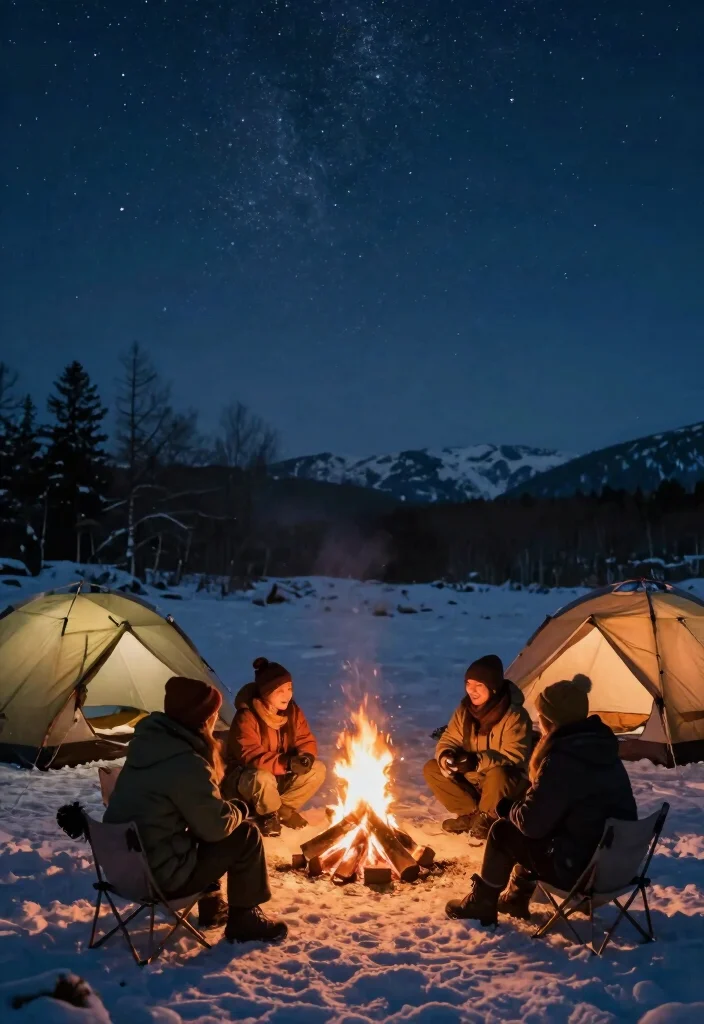
Winter camping doesn’t have to be a cold struggle! With these camping sleeping hacks, you can transform your nights into a warm and restful experience, allowing you to enjoy the beauty of nature without sacrificing comfort. Embrace the art of preparation, invest in the right gear, and remember that a bit of creativity goes a long way. So, gear up, head out, and make those winter camping adventures memorable!
Explore each of these hacks, and you’ll be sleeping soundly under the stars in no time.
Note: We aim to provide accurate product links, but some may occasionally expire or become unavailable. If this happens, please search directly on Amazon for the product or a suitable alternative.
This post contains Amazon affiliate links, meaning we may earn a small commission if you purchase through our links, at no extra cost to you.
Frequently Asked Questions
What are essential camping sleeping hacks to stay warm on a winter night?
Start with a winter-rated sleeping bag and a well-insulated sleeping pad to create a solid warmth base.
Add a liner for extra warmth and consider a bivy or windbreak to cut convection.
How can I maximize warmth using camping sleeping hacks, sleeping bags, and camping gear without overheating?
Choose the right temperature-rated bag and add a liner for extra warmth; you can even run a two-bag system as a makeshift quilt for flexibility.
Pair that with a high-R value sleeping pad and a ground cover to minimize heat loss to cold ground.
Layer smartly: base layers for warmth, a breathable mid-layer, and a windproof outer shell, and avoid overdressing to prevent overheating.
Use well-vented, breathable camping gear to keep outdoor sleeping comfortable while balancing warmth strategies.
What are practical ways to prevent condensation and stay dry during outdoor sleeping in winter?
Vent the tent to prevent condensation and avoid sweating by keeping interior temperature comfortable.
Store damp clothes and gear outside the sleeping area in waterproof bags, and use a breathable tent and groundsheet to let moisture escape.
Keep dry, breathable layers handy and consider a small packable towel to dry off if you get damp during outdoor sleeping in winter.
Are there simple warmth strategies I can use before going to sleep and overnight to stay warmer?
Do a quick warm-up before bed to raise core temperature, like a 5-minute jog in place or light cardio.
Sip a warm, non-caffeinated drink and tuck a hot water bottle near your core and feet for overnight warmth.
Wear thermal socks and a hat, and use a comfortable, breathable sleep system to maintain warmth without overheating.
What common mistakes should beginners avoid to improve camping sleeping hacks and ensure a restful night in cold weather?
Common mistakes include overdressing and sweating, not properly insulating the ground, and failing to vent the tent which leads to condensation.
Avoid relying on a single heat source, bringing damp gear inside the sleeping area, and skipping hydration and fuel for your body.
Instead, use a layered system, test insulation before dark, keep a dry gear bag, and plan warmth strategies as part of your camping tips for a restful night.
Related Topics
camping sleeping hacks
winter camping
sleeping bag tips
outdoor warmth strategies
camping gear essentials
cozy camping
beginner camping tips
restful nights outdoors
cold weather camping
advanced camping techniques
sleeping outdoors
travel hacks