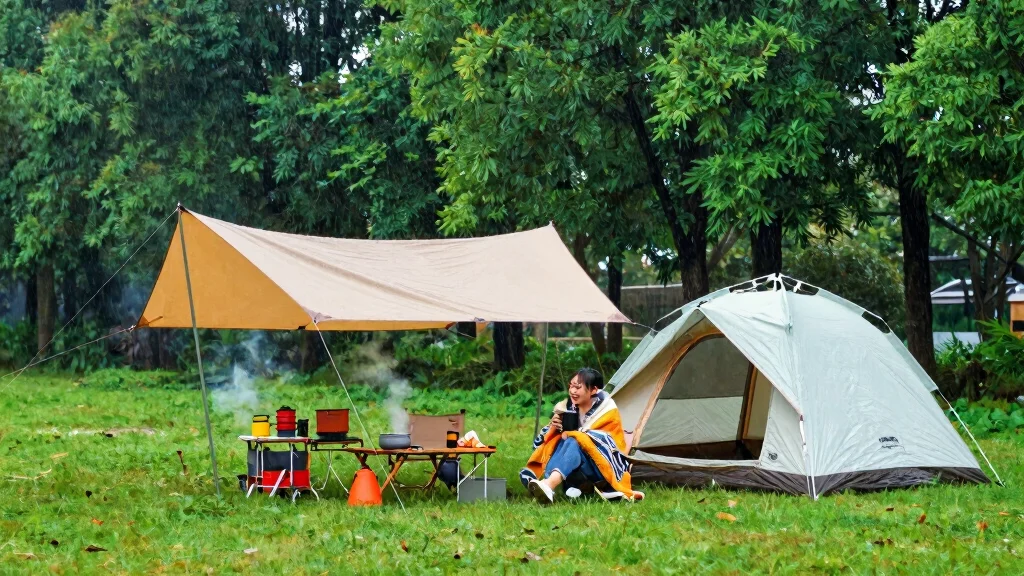
Camping in the rain can seem like a daunting experience, but it doesn’t have to be. I’ve created this guide because I want to help you enjoy your outdoor adventures, even when the skies open up. If you’ve ever felt the chill of getting soaked while camping, you know how important it is to stay dry and comfortable. That’s why I pulled together these 17 camping rain hacks that are practical, straightforward, and perfect for any wet weather situation.
This post is for anyone who loves camping but dreads the thought of rain ruining their plans. Whether you’re a seasoned backpacker or a weekend warrior, these tips will resonate with you. You’ll find ways to protect your gear, keep your belongings dry, and enhance your overall camping experience, no matter what Mother Nature throws your way.
With these camping rain hacks, you’ll gain the confidence to embrace rainy days with open arms. From selecting the right gear to clever storage solutions, each tip is designed to help you stay dry and comfortable. So grab a warm drink, get cozy, and let’s dive into these essential outdoor survival techniques for wet weather.
Key Takeaways
– Choose the right tent: Invest in a waterproof tent or use a rainfly to keep your shelter dry during storms.
– Waterproof your gear: Use sprays or bags to protect your electronics and clothing from moisture.
– Pack compact, quick-dry towels: These are essential for drying off quickly and minimizing dampness inside your tent.
– Use a camp dryer: This simple tool can help you dry wet clothes and gear, keeping you comfortable during your trip.
– Embrace the adventure: Don’t let the rain get you down; instead, find joy in the unique experiences it brings to your camping journey.
1. Choose the Right Tent
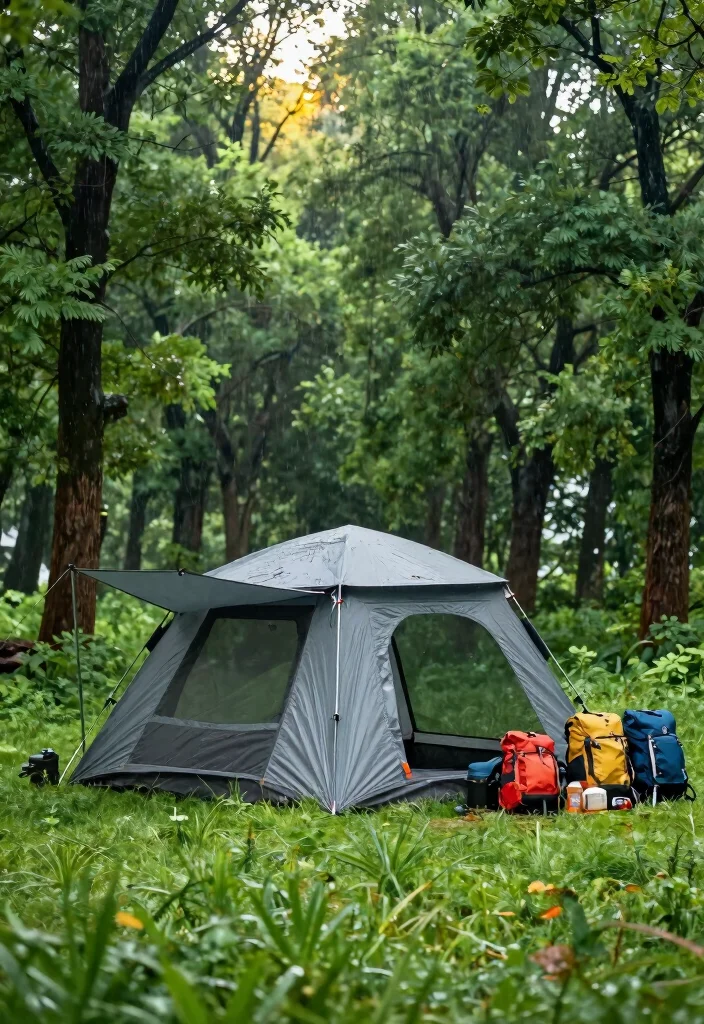
Finding the perfect tent is crucial for a comfortable camping experience, especially when rain is in the forecast. A tent specifically designed for wet weather offers you better protection and improves your overall enjoyment. Look for features like a waterproof rainfly, breathable materials to prevent condensation, and a dome shape to help rainwater slide off easily.
Consider your camping style and the expected weather when selecting your tent. Prioritize tents that offer adequate ventilation and check for a sturdy build to withstand wind and rain. Investing in a quality tent means more comfort and less worry when the skies open up.
Key features to look for:
– Waterproof Ratings: Opt for tents with a rating above 3000mm.
– Tub Floor Design: Choose tents with raised edges to stop water ingress.
– Sealed Seams: Ensure seams are sealed to block moisture.
A reliable tent turns rainy days into cozy nights, keeping you safe and dry no matter the weather.
2. Use a Ground Tarp
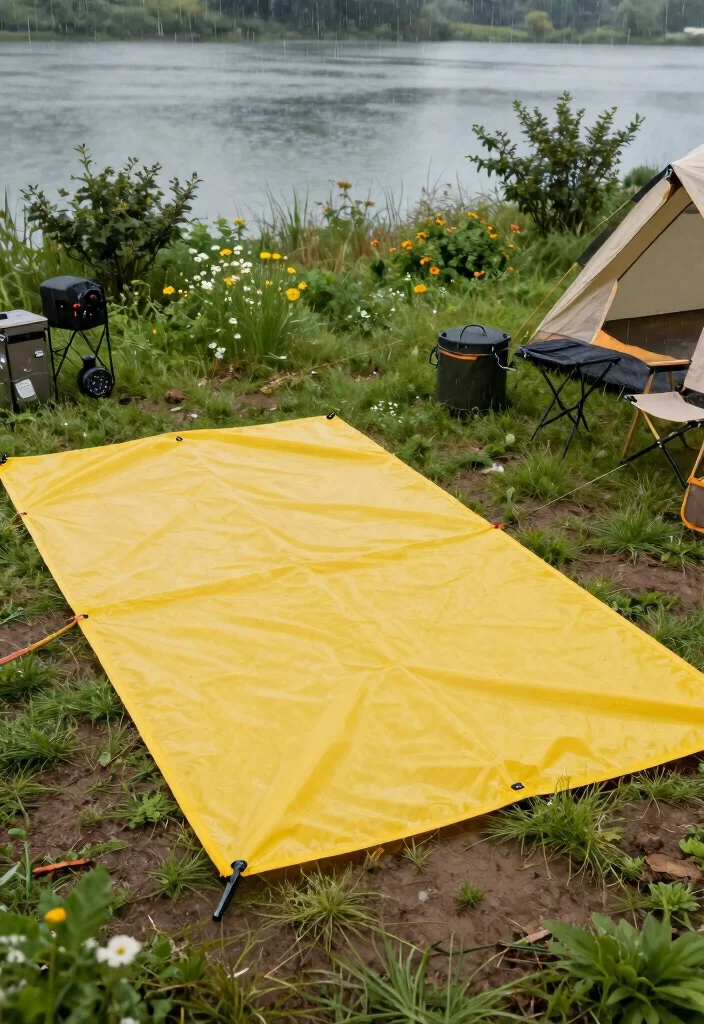
A ground tarp is a simple yet essential tool for a dry camping experience. Placing it under your tent creates an effective barrier against moisture from the ground. This small addition can significantly enhance your comfort while camping, ensuring you stay dry no matter how wet the ground gets.
For best results, choose a tarp that is lightweight and made from waterproof material. Make sure it is slightly larger than your tent to catch any rain runoff. Using stakes or grommets can secure it in place, preventing it from shifting during windy conditions.
Key benefits of using a ground tarp:
– Material Matters: Select a durable, waterproof tarp.
– Size Up: Ensure the tarp extends beyond your tent edges.
– Quick Setup: Use stakes to keep it anchored securely.
This straightforward hack helps maintain a cozy atmosphere inside your tent, keeping you comfortable even in soggy conditions.
How To Choose the Right Tent for Camping in the Rain
When camping in wet weather, your tent acts as your first line of defense against rain and moisture. Selecting the right tent can make your experience much more enjoyable while keeping you dry and comfortable. Here are some key factors to consider when choosing a tent for rainy conditions.
1. Size and Capacity
Choose a tent that can comfortably accommodate your group size. Look for tents that provide at least two extra feet of space for gear. A tent rated for two people should ideally fit three for extra comfort during rainy nights.
2. Waterproof Rating
Check the tent’s waterproof rating, which is measured in millimeters (mm). A tent with a rating of 2000 mm or higher is recommended for heavy rain. This rating indicates how much water pressure the fabric can withstand before leaking.
3. Material Quality
Look for tents made from durable materials like nylon or polyester with a waterproof coating. Silicone-coated fabrics are also great for preventing leaks. Additionally, consider the weight if you’re backpacking, as ultralight options can be beneficial.
4. Design Features
Opt for a tent with a rainfly that extends to the ground, as this helps deflect water. Multiple vents will also promote airflow and reduce condensation inside the tent. Look for features like an adjustable vestibule, which offers extra gear storage while keeping it dry.
5. Ease of Setup
A simple setup can save you valuable time during a rainstorm. Look for tents with color-coded poles and clips for quick assembly. Instant pop-up tents can be ideal for quick setups, especially when the weather turns ugly.
6. Budget Considerations
Tents come in various price ranges. Set a budget that doesn’t compromise essential features. Sometimes spending a little more on a quality tent can save you money in the long run by preventing damage and discomfort during rainy conditions.
Pro Tip: Always practice setting up your tent at home before heading out. This helps you get familiar with the process, ensuring you can set it up quickly in the rain. Plus, don’t forget to seal the seams with a waterproof sealant for added protection against leaks!
3. Waterproof Your Gear
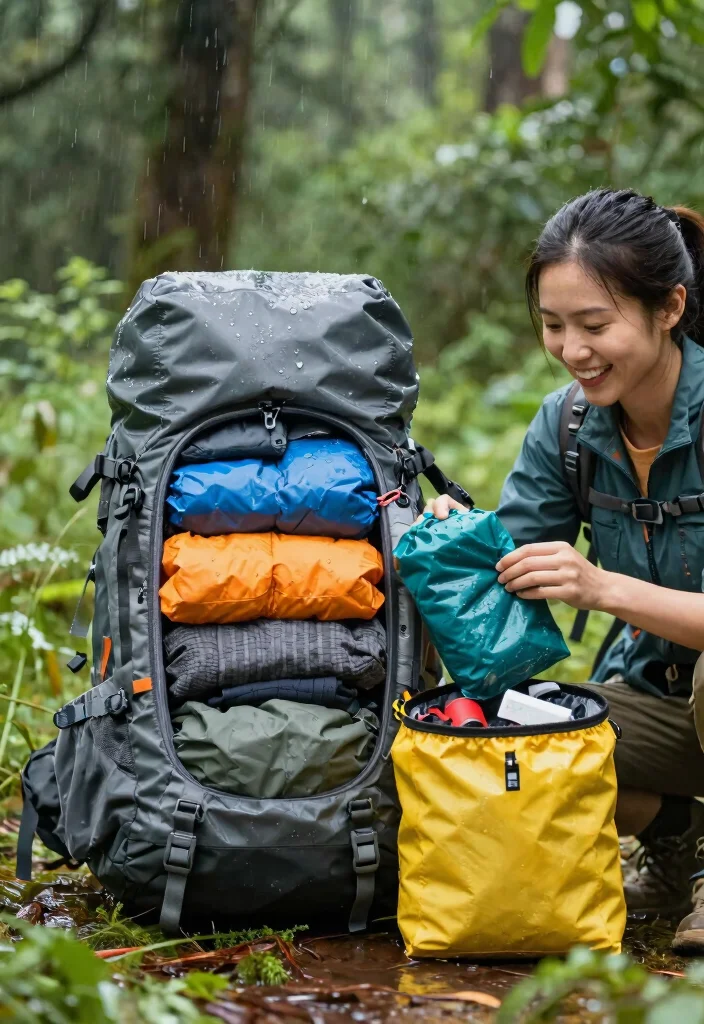
Keeping your camping gear dry is essential for a successful trip in rainy weather. Invest in waterproof bags or dry sacks to protect your clothing and other essentials from unexpected downpours. This ensures that, regardless of how heavy the rain falls, your items remain safe and ready for use.
Consider using compression dry bags for clothing, as they minimize space while providing solid protection. Simple items like ziplock bags work wonders for smaller electronics and personal belongings. Many backpacks come with optional rain covers, so utilize them to add an extra layer of defense against moisture.
Helpful tips for waterproofing your gear:
– Compression Dry Bags: Perfect for compact clothing storage.
– Ziplock Bags: Ideal for electronics and personal items.
– Rain Covers: Use them for backpacks to keep contents dry.
Investing in waterproof solutions means you can enjoy your adventure without the stress of soggy gear.
4. Invest in Quality Rain Gear
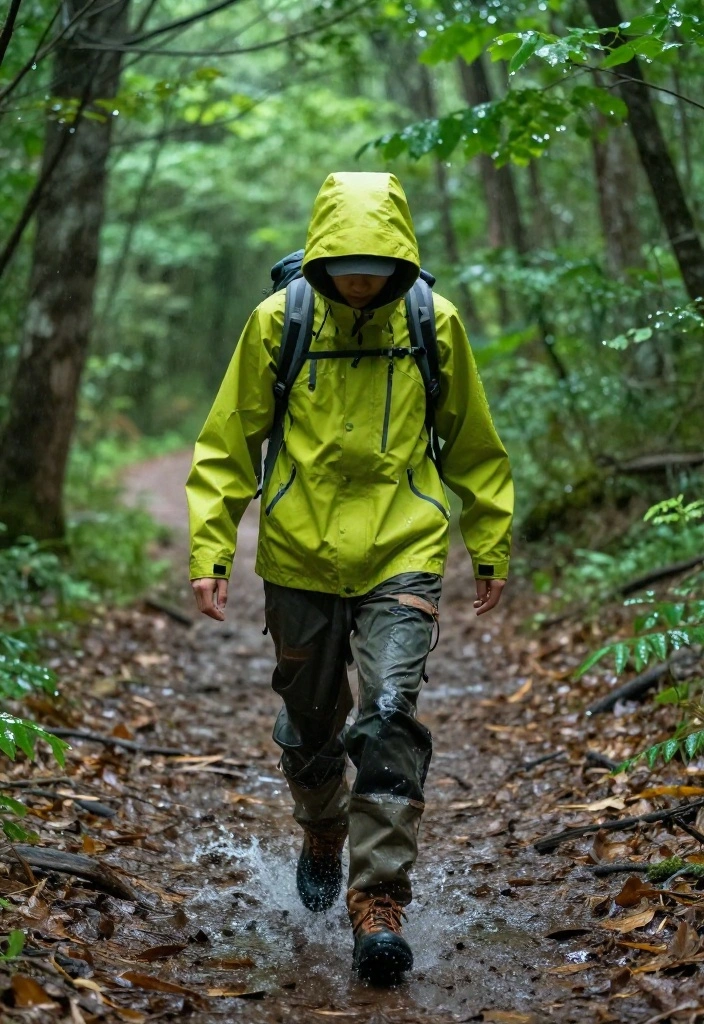
Quality rain gear is vital for staying dry and comfortable during your outdoor adventures. A well-made rain jacket, pants, and boots will shield you from the elements while allowing you to move freely. Look for breathable, waterproof materials that will keep you dry without overheating.
Focus on features that enhance usability, such as adjustable hoods and ventilation zips in jackets. Make sure your rain pants fit comfortably over your regular clothing, providing flexibility as you move. Choose boots made from waterproof materials with excellent grip to minimize slipping on wet surfaces.
Key considerations for rain gear:
– Jacket Features: Adjustable hoods and ventilation are key for comfort.
– Pants Fit: Ensure they allow easy movement over regular clothes.
– Boot Material: Select waterproof options with good traction.
Being properly equipped not only enhances your comfort but also ensures safety during wet weather.
Smart camping rain hacks start with investing in quality rain gear. A breathable, waterproof jacket and pants keep you dry without overheating, letting you hike, eat, and rest comfortably—even in a downpour.
Invest in Quality Rain Gear
Editor’s Choice



mens Venture 2 Jacket – Waterproof & Windproof Hooded Raincoat, Adjustab…

Men’s Precip Eco Waterproof Rain Jacket – 100% Recycled, Breathable, Lig…

Men’s Waterproof Hiking Boots Outdoor Mid Trekking Lightweight Mountaine…

Packable Rain Pants for Men Waterproof Hiking Pants Lightweight Rain Pan…
5. Create a Rain Shelter
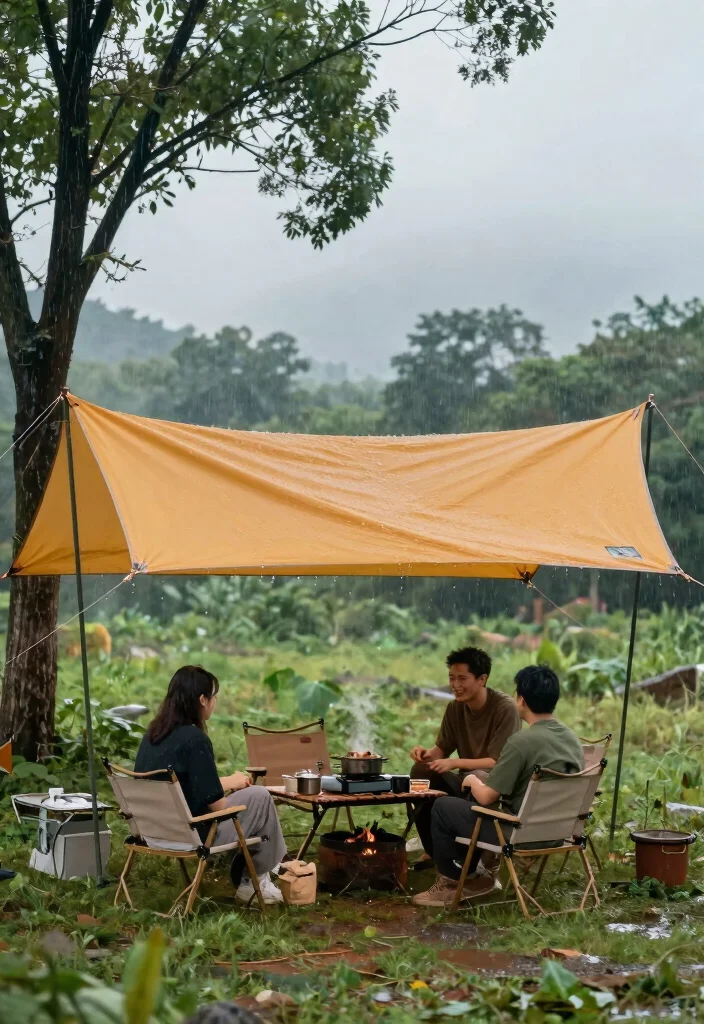
Establishing a rain shelter can provide a protected space during downpours. Using a tarp and some trekking poles or nearby trees can create a makeshift shelter that keeps your cooking and sitting areas dry. This simple hack allows you to enjoy the outdoors without getting soaked.
For maximum coverage, set the tarp in a triangle or rectangular shape, positioning it above your main activities. Having adjustable lines will let you modify it based on wind direction and rain intensity, ensuring constant protection.
Steps to set up your rain shelter:
– Tarp Setup: Use a shape that offers full coverage.
– Positioning: Place it where you spend most of your time.
– Adjustable Lines: Utilize paracord for easy adjustments.
A dedicated dry area can significantly enhance your camping experience, allowing you to relax or cook without the worry of getting drenched.
Create a Rain Shelter
Editor’s Choice

Camping Tarp with Poles, 16×12 Ft Camping Canopy, Waterproof Tent Tarp, …

OneTigris Bulwark Camping Tarp, 100% Waterproof Bushcraft Shelter, Light…

GEERTOP 17 × 10 ft Large Camping Tent Tarp Outdoor Waterproof Flame Reta…

TheFitLife Nordic Walking Trekking Poles – 2 Sticks with Anti-Shock and …
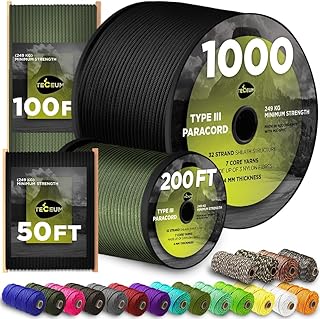
TECEUM 5/32″ Paracord Rope 1000 – 1000ft / 200ft / 100ft / 50ft – Tactic…
6. Pack Compact, Quick-Dry Towels
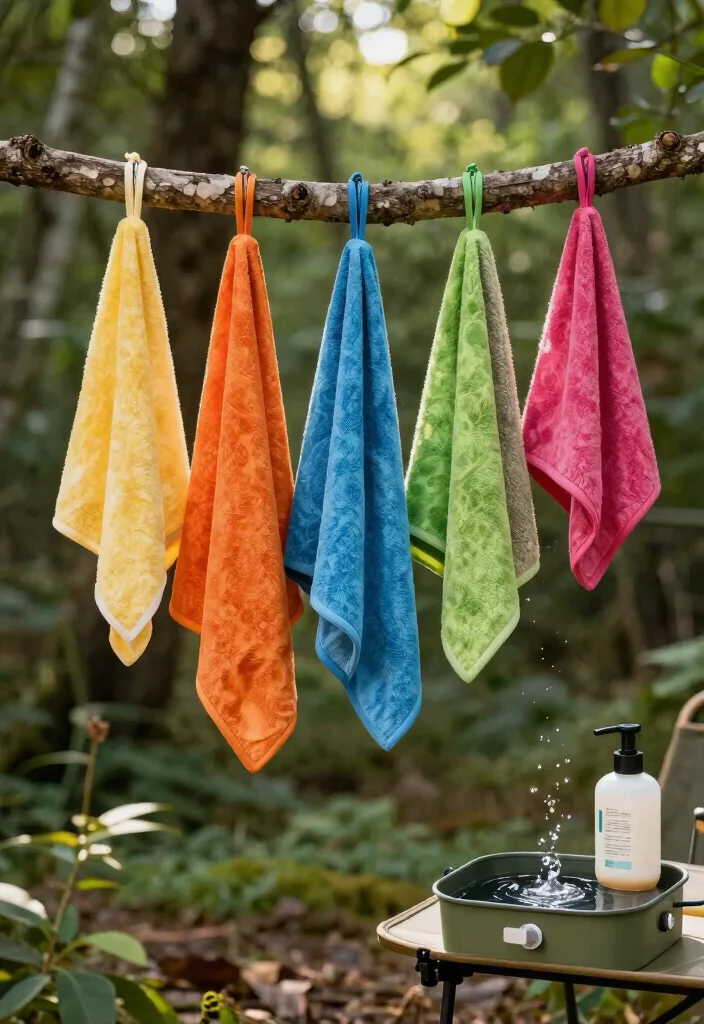
Regular towels can be bulky and slow to dry, making them less ideal for rainy camping trips. Instead, choose compact, quick-dry towels that absorb moisture efficiently and take up minimal space in your pack. These lightweight options ensure you stay clean and comfortable throughout your adventure.
Seek out microfiber towels, as they dry rapidly and are incredibly absorbent. Packing a variety of sizes helps cater to different needs, whether it’s wiping hands or drying off after a shower. Look for towels with hanging loops to make drying them in the sun easier.
Key benefits of quick-dry towels:
– Material Matters: Microfiber options are highly effective.
– Multiple Sizes: Keep different sizes for various uses.
– Hanging Loop: Easily hang them to dry.
This smart choice keeps your gear light and maximizes your comfort, allowing you to dry off quickly after unexpected rain.
Fun fact: Microfiber towels can weigh under 4 oz and dry in about 30 minutes, even after a soggy hike. Pack a few sizes for hands, face, and body—compact, quick-drying comfort that keeps you moving on rainy camping days as part of camping rain hacks.
7. Keep a Dry Bag for Electronics
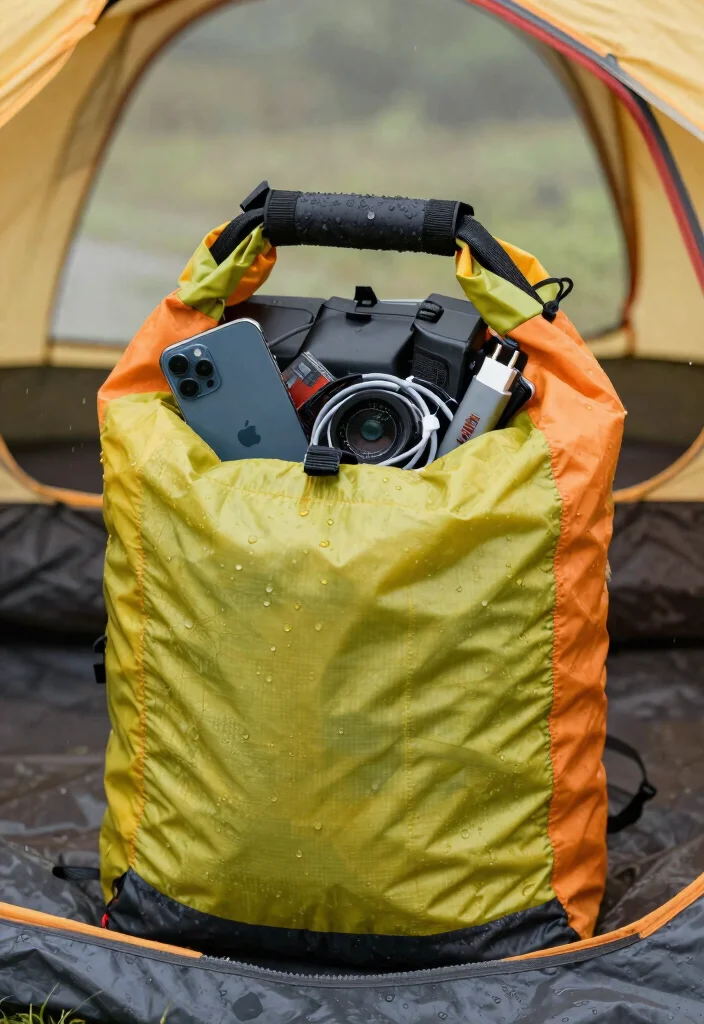
Moisture and electronics don’t mix, so it’s essential to keep your devices safe during rainy camping trips. Using a dedicated dry bag for your electronics ensures they stay protected from splashes and downpours. This is especially important if you plan to capture memories with your phone or camera.
Select a bag that provides ample space for all your devices without cramming them in. Adding padding or bubble wrap can further protect sensitive items. Choose bags with easy-access zippers or roll-top closures for convenience when you need to grab your gear quickly.
Essentials for a dry electronics bag:
– Size Up: Ensure it fits all your devices comfortably.
– Additional Padding: Protect delicate items with extra cushioning.
– Easy Access: Opt for bags with user-friendly closures.
Keeping your electronics dry allows you to stay connected and capture special moments, even in the rain.
Keep a Dry Bag for Electronics
Editor’s Choice

Earth Pak Waterproof Dry Bag – Roll Top Waterproof Backpack Sack Keeps G…

MARCHWAY Floating Waterproof Dry Bag Backpack 5L/10L/20L/30L/40L, Roll T…


Sea to Summit Ultra-Sil Dry Bag Set, Ultralight Waterproof Stuff Sack (3…

Piscifun Dry Bag Waterproof, Lightweight Dry Backpack Roll-Top Sealed wi…
8. Use a Portable Weather Radio
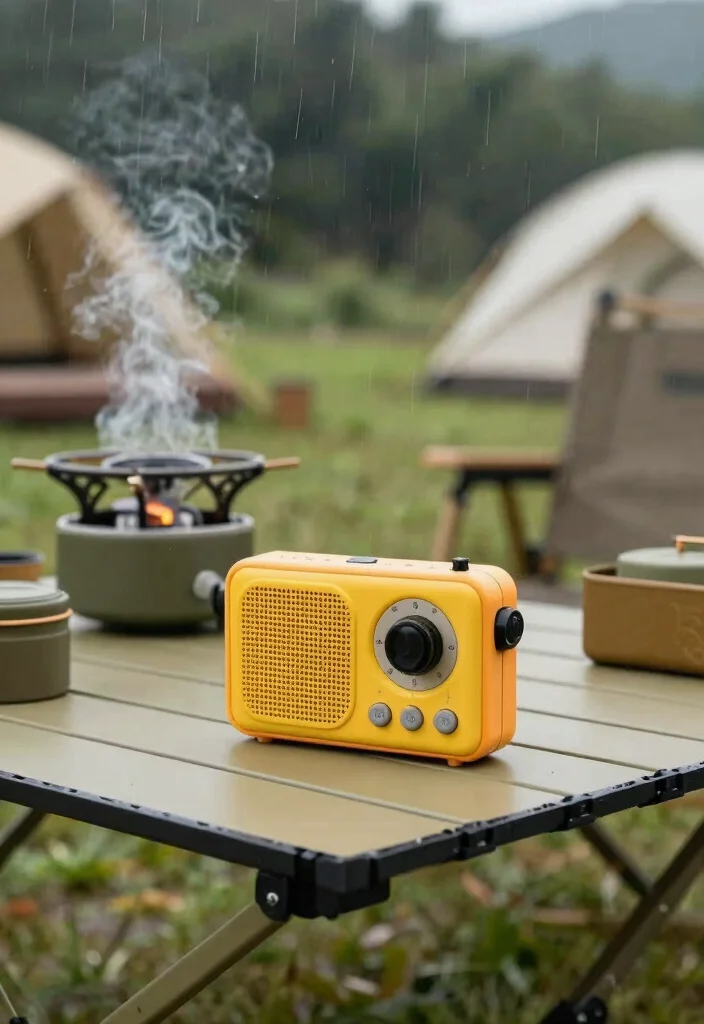
Stay informed about weather changes with a portable weather radio. This handy device helps you monitor storms and ensure you’re prepared for any sudden weather shifts during your camping trip. Having access to real-time updates can make a significant difference in your overall safety.
Choose a radio that can receive AM, FM, and NOAA frequencies for comprehensive updates. A compact model is easy to carry, fitting comfortably in your pack. Look for options with solar or hand-crank charging to ensure you never run out of power, even in remote areas.
Key features to consider:
– AM/FM/NOAA Frequency: Offers various weather updates.
– Compact Size: Easy to pack and carry.
– Battery Options: Solar or hand-crank for reliability.
Staying ahead of the weather empowers you to make informed decisions, ensuring a safer and more enjoyable camping experience.
Did you know that 8 out of 10 camping rain hacks include checking NOAA updates before dawn? A portable weather radio gives real-time storm alerts (AM/FM/NOAA) and solar charging, so you stay dry and confident—even in sudden weather shifts.
Use a Portable Weather Radio
Editor’s Choice

Weather Radios Portable AM FM NOAA Alert with Battery Backup 12000mAh 44…
Solar Radio Emergency Hand Crank 12000mAh with Clear Signal, AM FM NOAA …

Weather Radio, Emergency Crank Radio AM/FM/NOAA Solar/Hand Crank/USB Cha…

Hand Crank Emergency Radio, 10000mAh Weather Radio with AM/FM/NOAA, Sola…

FosPower NOAA Emergency Weather Radio A1 7400mWh Portable Power Bank, AM…
9. Proper Food Storage
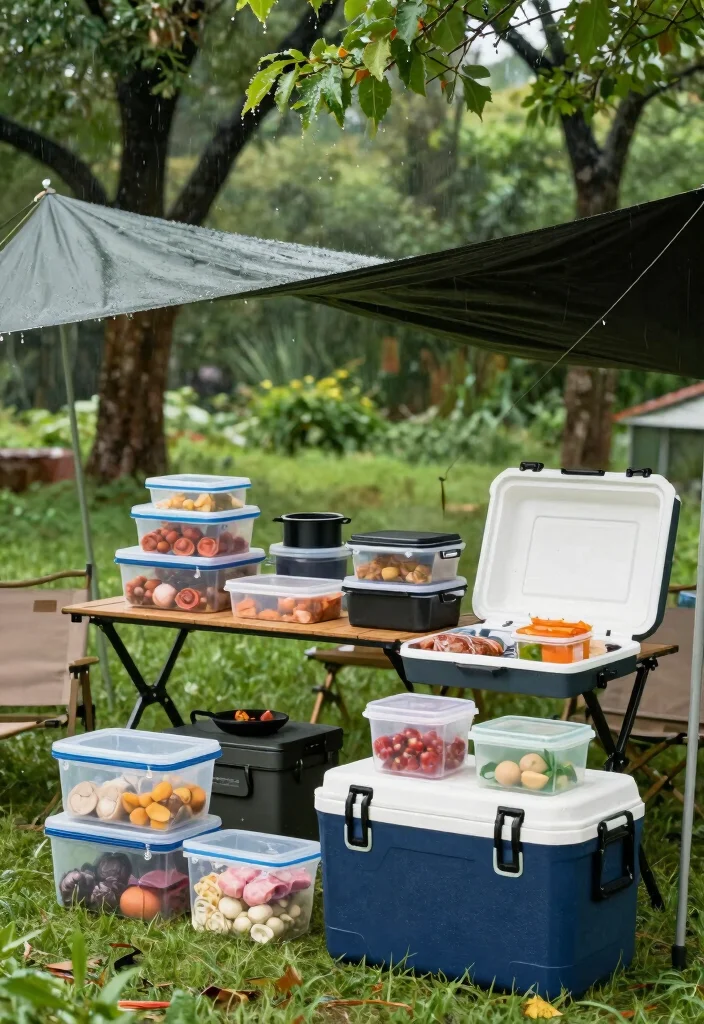
Soggy food can quickly ruin your camping experience, especially when it’s raining. To keep your meals fresh, store your food properly using waterproof containers or resealable bags. This prevents moisture from ruining your supplies and keeps critters at bay.
If you’re using a cooler, ensure it’s covered and kept in a sheltered area to protect it from the rain. Elevating your food storage off the ground can also help prevent sogginess. Regularly check your supplies to avoid spoilage and waste while camping.
Smart food storage tips:
– Cooler Protection: Keep your cooler covered and secure.
– Elevate Storage: Prevent soaking by keeping items off the ground.
– Freshness Matters: Regularly inspect supplies to avoid waste.
Effective food storage keeps your meals safe and enjoyable, fueling your outdoor adventures.
Proper Food Storage
Editor’s Choice

SubSafe 3-Piece Sub Sandwich Container, Charcoal Grey – As Seen on Shark…

Vtopmart 32pcs Airtight Food Storage Containers Set, BPA Free Plastic Ki…

Rubbermaid Brilliance BPA-Free Food Storage Containers with Lids, Airtig…

Amazon Basics Airtight Food Storage Containers, BPA Free, Dishwasher Saf…

Collapsible Food Storage Containers with Lids, Silicone Meal Prep Contai…
10. Keep Your Sleeping Bag Dry
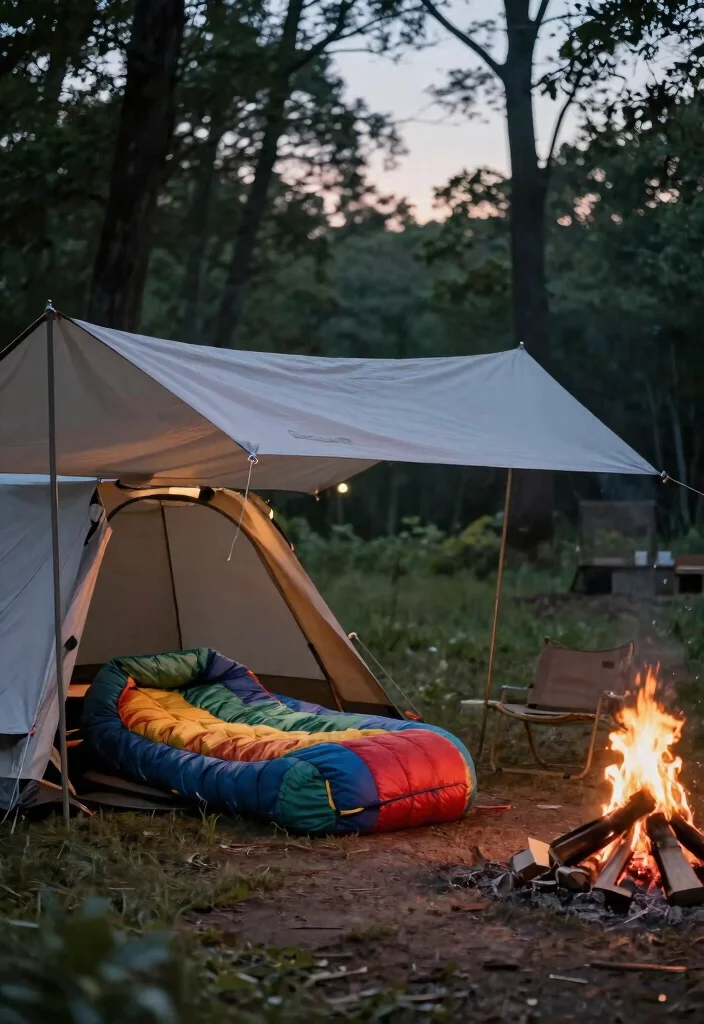
A wet sleeping bag can ruin your camping trip, making it essential to keep it dry. Using a waterproof stuff sack helps protect your sleeping bag from moisture, ensuring it stays cozy and ready for a good night’s sleep. This small investment can make a big difference in your comfort level while camping.
If your sleeping bag does get wet, hang it up during breaks to air dry whenever possible. Avoid placing it directly on wet surfaces; instead, use a tarp or mat underneath to keep it off the ground.
Important tips for a dry sleeping bag:
– Compression Sacks: Save space while keeping it dry.
– Drying Options: Hang it out during breaks to dry.
– Avoid Direct Contact: Keep it off wet surfaces with a mat.
Staying warm and dry at night sets the tone for a successful trip, so protect your sleeping bag well.
11. Hydration Packs with Rain Covers
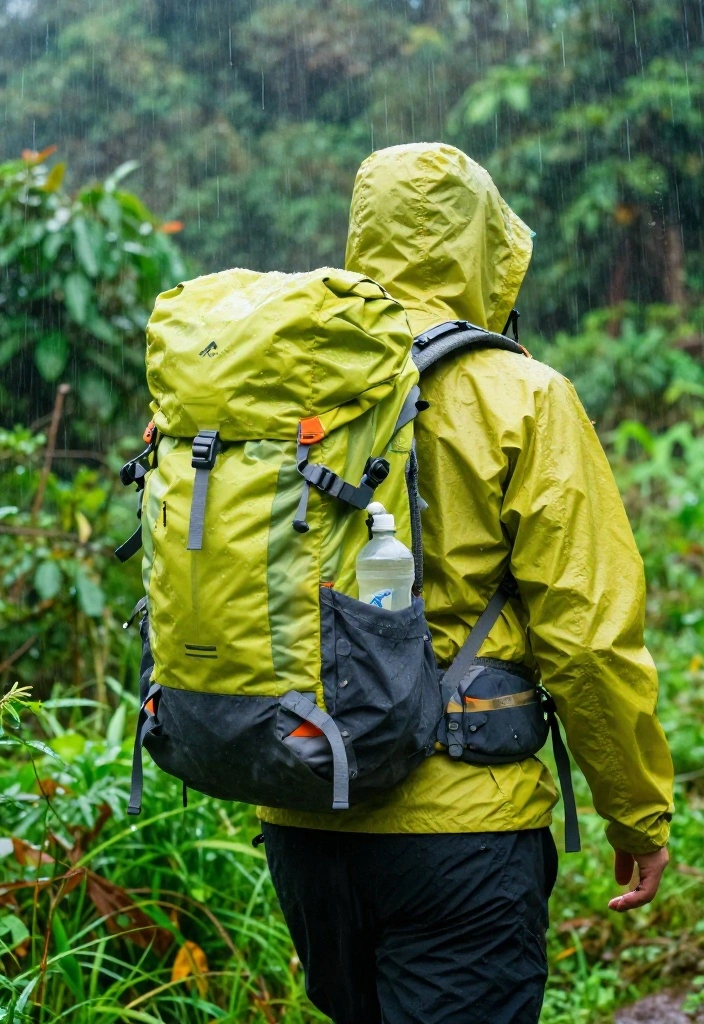
Staying hydrated is crucial, even in wet conditions. Using hydration packs with built-in rain covers ensures your water supply stays uncontaminated by rainwater. Look for packs designed with easy access and insulation to keep your drink cool during your adventures.
Ensure the hydration pack fits comfortably on your back and meets your hydration needs without being overly bulky. Regular maintenance, such as cleaning and drying the hose, prevents mold and keeps your water supply fresh.
Key features for hydration packs:
– Fitting: Ensure a comfortable fit on your back.
– Capacity: Choose a size that meets your hydration needs.
– Maintenance: Clean the hose regularly to prevent mold.
This smart choice simplifies hydration while protecting your resources from the elements.
12. Use a Camp Dryer
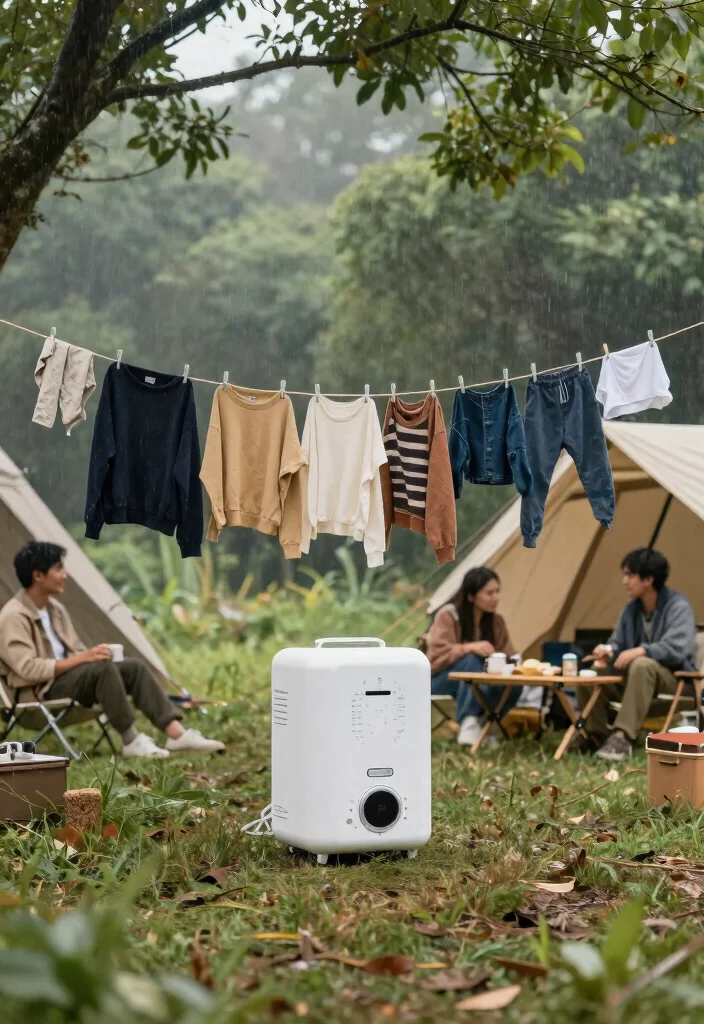
A camp dryer can be a game-changer when rain dampens your gear. Designed to circulate warm air, these dryers quickly dry wet clothing and gear, keeping you comfortable and ready for your next adventure. This simple solution adds convenience to your camping experience.
Look for lightweight and portable models that are easy to pack. Some dryers can be powered by solar panels or batteries, ensuring you have a reliable drying option. Most models can dry clothes within hours, so you won’t be stuck in wet gear for long.
Essential features for a camp dryer:
– Compact Design: Lightweight and easy to carry.
– Energy Source: Choose models powered by solar or battery.
– Drying Time: Efficiently dries clothes within a few hours.
Having a camp dryer not only adds comfort but also allows for more flexible backpacking without the worry of damp clothing.
13. Comfortable Footwear Choices
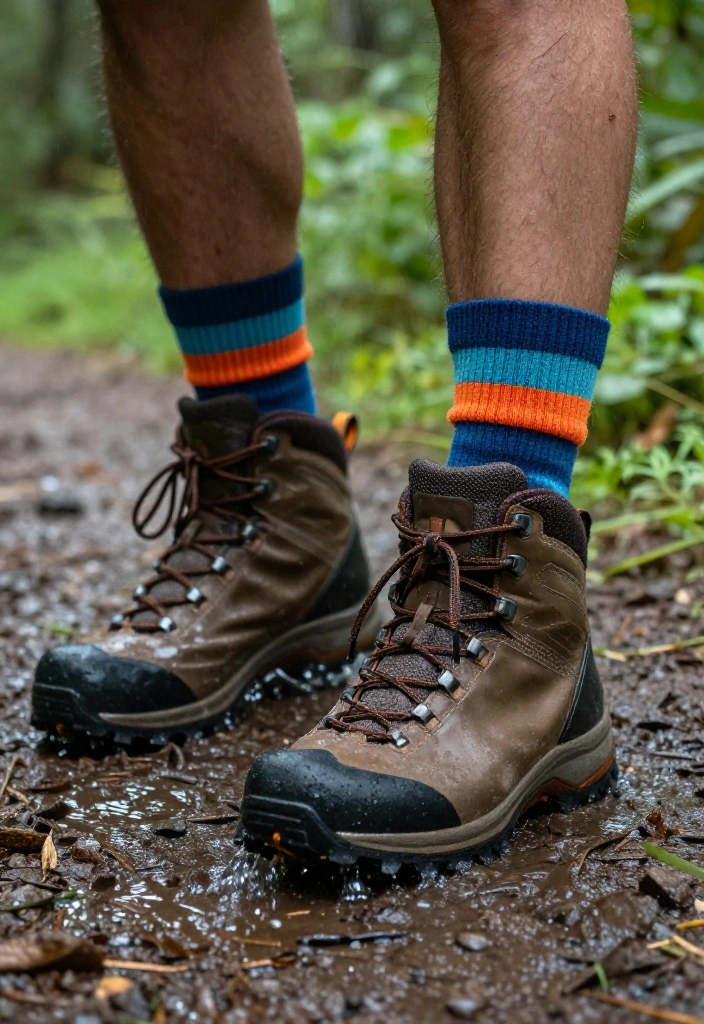
Wet feet can lead to discomfort and blisters on your camping trip. Selecting moisture-wicking socks and waterproof footwear is essential to keep your feet dry. Investing in high-quality hiking boots with good grip can prevent slips on wet surfaces.
Choose socks made from synthetic or wool blends, as these materials wick away moisture better than cotton. Ensure your boots have waterproof membranes and sufficient cushioning for comfort. Make sure to break them in before your trip to avoid blisters on the trail.
Key footwear tips:
– Sock Material: Opt for synthetic or wool blends; avoid cotton.
– Boot Features: Look for waterproof options with cushioning.
– Break them in: Prevent blisters by wearing them beforehand.
Proper footwear enhances your comfort and safety, allowing you to focus on enjoying your adventure.
14. Drying Lines for Clothes
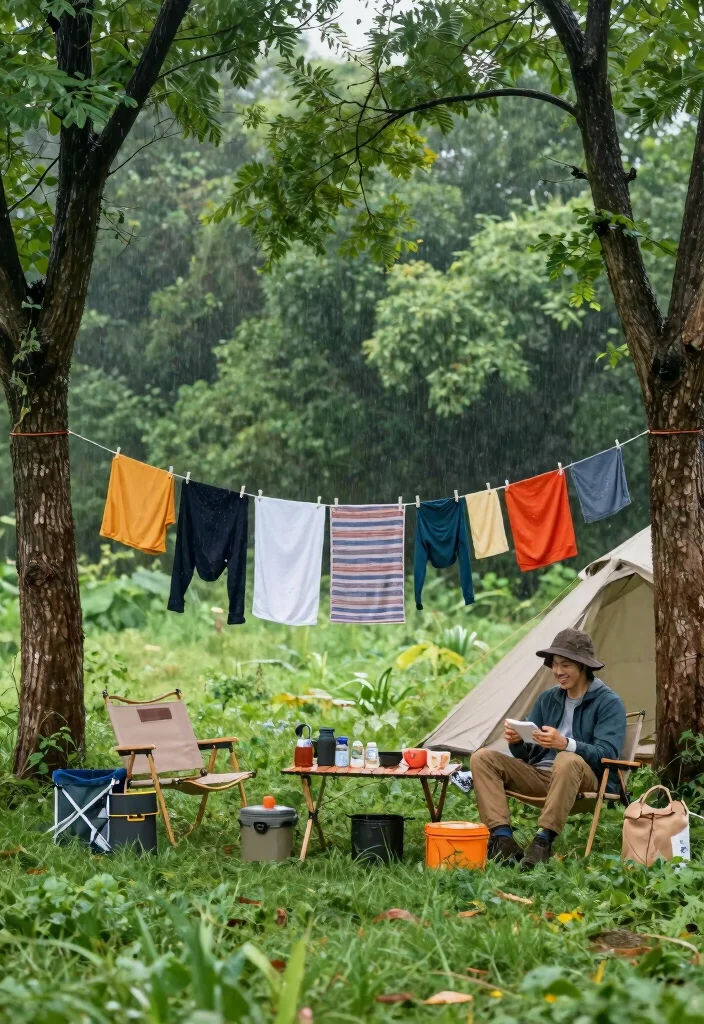
Having a dedicated drying line can help manage wet clothing effectively during your camping trip. Setting up a simple line between two trees or using trekking poles allows for quick drying of essentials like clothes and towels. This hack keeps your gear organized and ready for use.
Carry a lightweight, high-strength rope that can handle wet items, and consider using clothespins or hooks to secure wet clothes. Make sure your drying line is adjustable so you can customize it based on your needs.
Steps for setting up a drying line:
– Lightweight Rope: Easy to pack and strong enough for wet items.
– Clips: Use clothespins to hold items securely.
– Adjustable Height: Adapt based on drying needs.
This simple hack keeps your gear ready for use and ensures you won’t be left with damp clothing while enjoying your outdoor adventures.
15. Emergency Ponchos
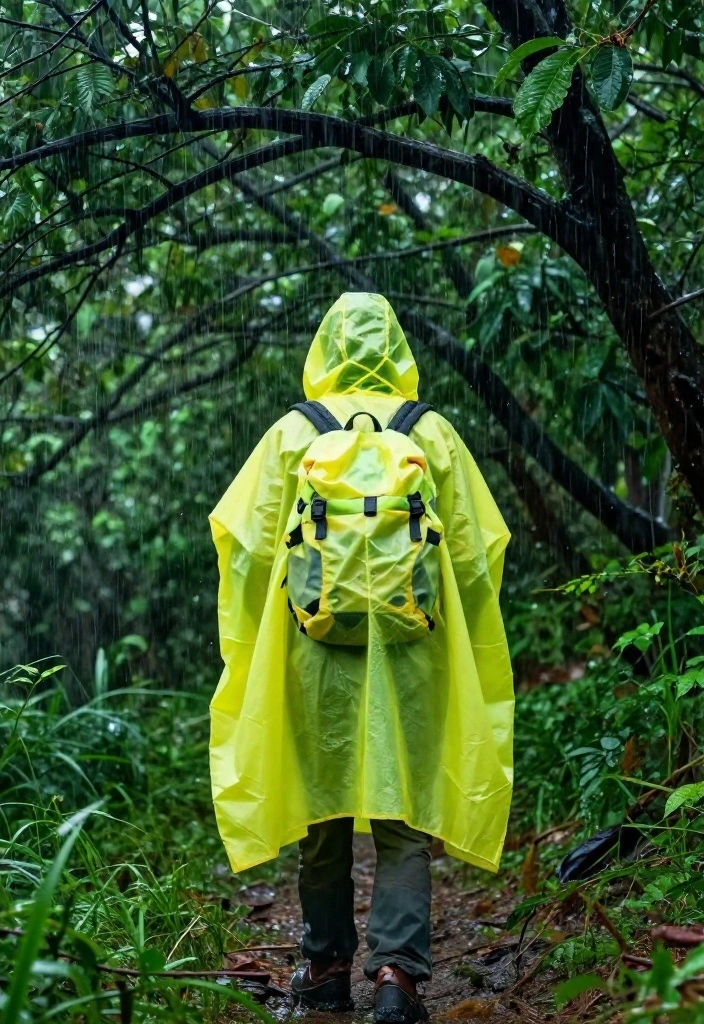
Emergency ponchos are compact, lightweight, and invaluable during sudden downpours. These versatile items can easily fit in your bag and provide instant protection when the weather turns wet. With a poncho, you can keep warm and dry without the bulk of a full rain suit.
Select ponchos that fold up small for easy storage and look for thicker materials that won’t tear easily. Ponchos can also double as ground cover or an extra layer of warmth, making them a practical addition to your camping gear.
Key features of emergency ponchos:
– Compact Size: Folds small for easy packing.
– Durability: Choose thicker materials for better protection.
– Versatile Use: Use as ground cover or extra warmth.
This simple hack ensures you’re prepared for unexpected weather changes without taking up much space in your pack.
16. Plan Your Itinerary Wisely
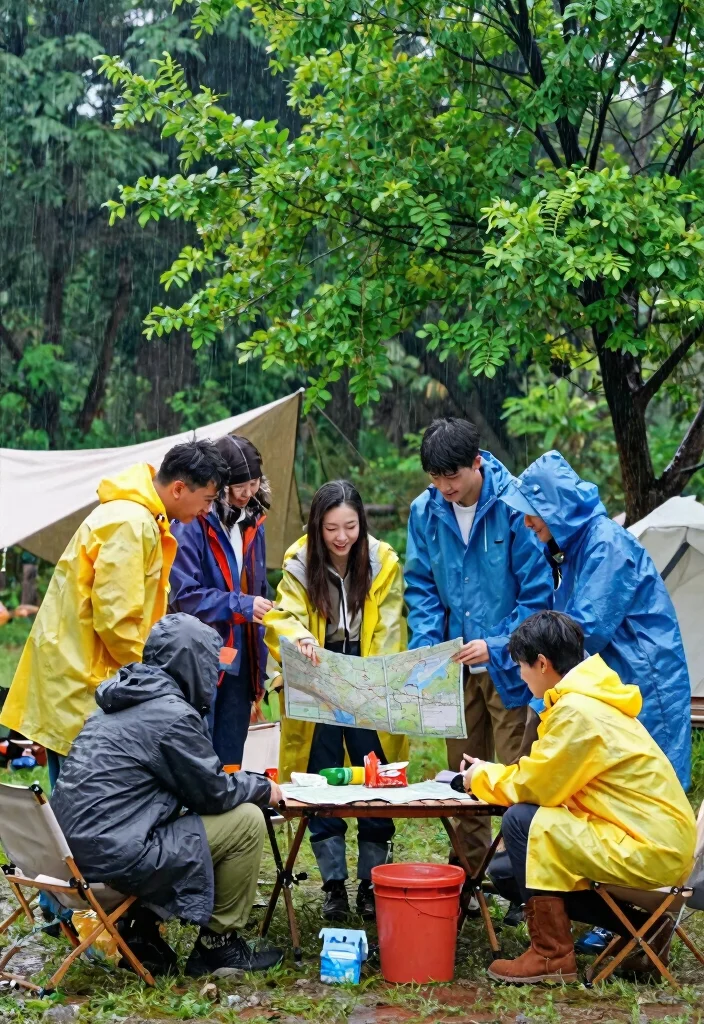
Camping in areas known for rain requires a well-thought-out itinerary. By checking local weather predictions and planning your activities around dry intervals, you can enhance your overall experience. Being flexible with your plans allows you to avoid the worst conditions and make the most of your time outdoors.
Don’t hesitate to adjust your route or camping spot based on the weather. Having backup plans for indoor activities, such as reading or games, can keep spirits high when rain disrupts outdoor plans. Regularly checking weather updates will help you stay informed.
Smart planning tips:
– Flexible Plans: Be open to changing routes or spots.
– Alternate Activities: Have indoor options ready to go.
– Stay Informed: Keep checking weather forecasts.
A little foresight can turn a potentially challenging trip into an enjoyable experience, rain or shine.
17. Embrace the Adventure
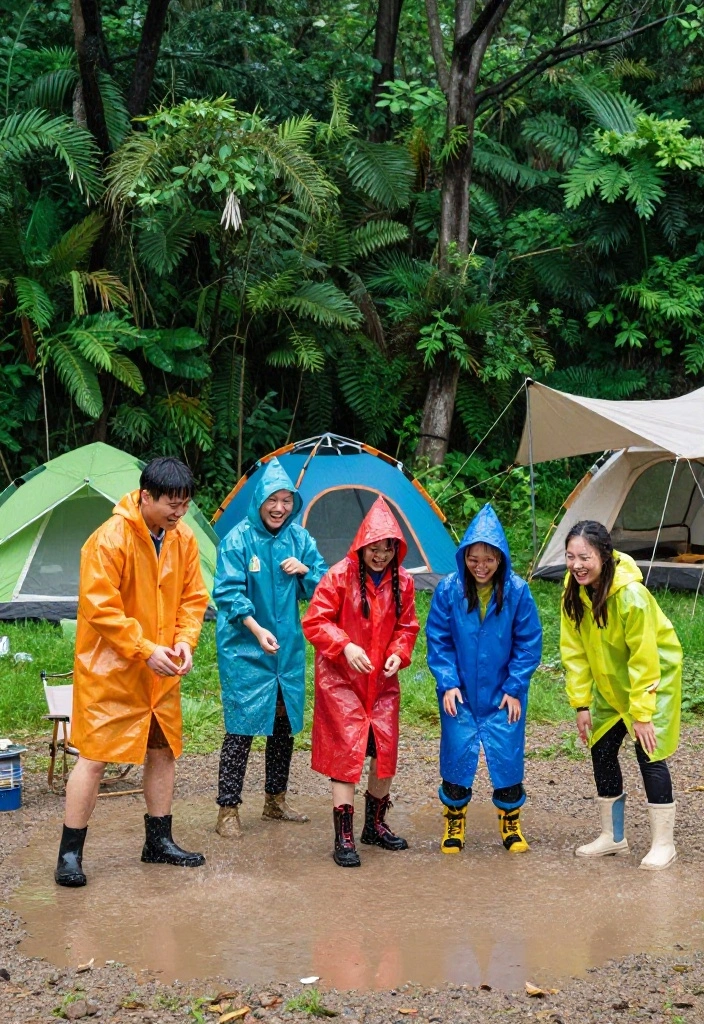
Finally, remember that weather challenges can lead to unforgettable adventures. Embracing the rain opens doors to experiences you wouldn’t encounter in perfect weather conditions. Maintaining a positive mindset and making the most of every situation allows you to appreciate the unique beauty that rainy days offer in nature.
Approach rainy days with a sense of fun and adventure, capturing moments with photos to cherish later. Engage in exciting activities like puddle jumping or exploring trails that may be less crowded.
Benefits of embracing the rain:
– Mindset Shift: Approach wet days as adventures.
– Capture Moments: Take memorable photos during rainy escapades.
– New Experiences: Try fun activities like puddle jumping.
Every experience, even those on rainy days, enriches your journey and helps you grow as an outdoor enthusiast.
Conclusion
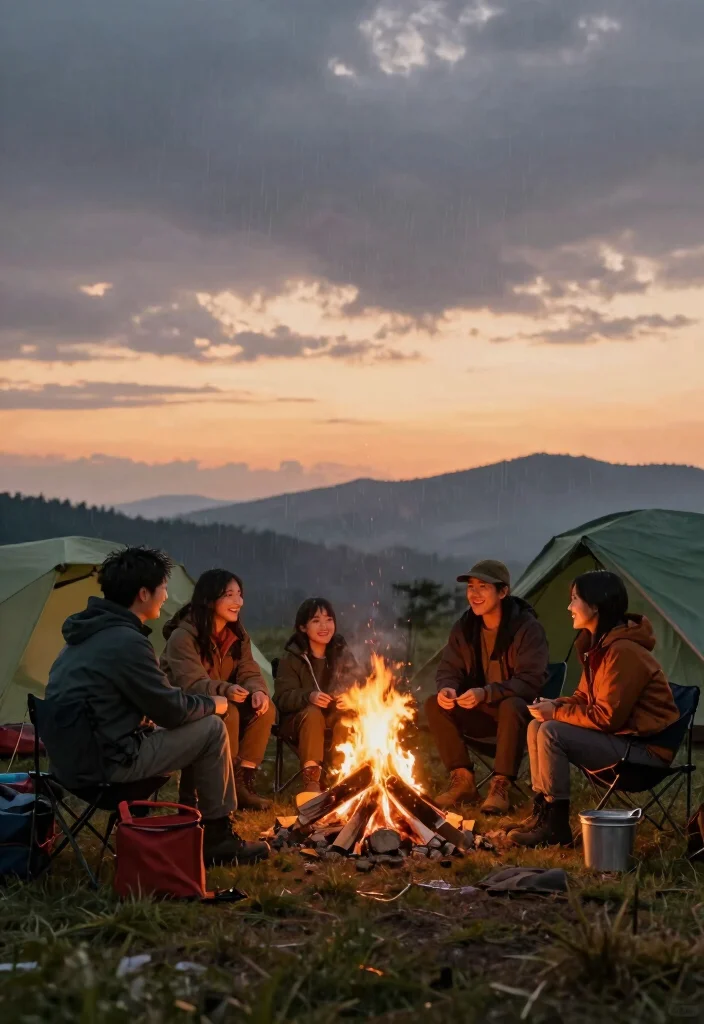
Camping in the rain can be a fantastic experience with the right foresight and hacks. From choosing the right gear to planning effectively, each tip shared in this article can help you stay dry and comfortable throughout your adventure. So gear up, embrace the elements, and create unforgettable memories under the rain!
Don’t forget to share your own camping rain hacks in the comments! Happy camping!
Note: We aim to provide accurate product links, but some may occasionally expire or become unavailable. If this happens, please search directly on Amazon for the product or a suitable alternative.
This post contains Amazon affiliate links, meaning we may earn a small commission if you purchase through our links, at no extra cost to you.
Frequently Asked Questions
Question: What Are the Essential Camping Rain Hacks for Ultralight Backpacking?
For ultralight backpackers, focus on a small set of high‑impact rain hacks that save weight and keep you dry.
Use a lightweight, weatherproof shelter system (a tarp or small bivy paired with a rainproof footprint) to shed water and create a dry cooking and living area.
Carry an ultralight rain jacket and rain pants, and seal the seams on your rainfly for reliable weather protection.
Protect your gear with a pack cover and multiple dry bags so clothes and electronics stay dry even if the storm lingers.
Lay down a compact groundsheet or tarp under the tent to keep the floor dry, and store everything in waterproof sacks inside your pack.
Keep your layers quick‑drying and plan routes to avoid heavy downpours.
These rainproof camping essentials and practical camping tips that pair with outdoor survival techniques will help you stay dry while camping, even in wet weather.
Question: How Can I Stay Dry While Setting Up Camp in Wet Weather?
Plan ahead by scouting for higher ground with good drainage and natural windbreaks. When you arrive, unload dry items first and set up your shelter before the worst of the rain hits.
Roll out a groundsheet or tarp in your camp area to create a dry entry and cooking zone.
Wipe mud from boots and keep wet gear outside your dry zone using waterproof dry bags.
Use a pack liner so your clothes stay dry while you work.
With these essential camping tips, you can stay dry while camping even when the sky opens up.
Question: What Lightweight Gear Is Non-Negotiable for Wet Weather Camping?
Non‑negotiables include a dependable rainproof camping essentials setup like a rain jacket and rain pants, a full‑coverage rainfly for your tent, a pack cover, and waterproof dry bags.
Add a lightweight tarp for a dry cooking area and a groundsheet to protect the tent floor.
Bring a waterproof pouch for electronics and a pair of waterproof footwear or gaiters.
Quick‑drying base layers help you stay comfortable when things get damp.
These items form the core of solid wet weather gear for staying dry.
Question: What Are Smart Packing Tips to Keep Gear Dry Before and During Rain?
Pack in dry bags and use a pack liner to seal out moisture.
Put every item likely to get wet into a waterproof sack inside your main bag.
Keep your rain layers accessible in an outer pocket so you can layer quickly if rain arrives.
Separate wet gear from dry gear with two dry bags or a waterproof backpack.
Pre‑treat gear with water‑repellent spray and test zippers to avoid leaks.
These camping tips help you stay organized and dry even on long trips.
Question: How Can I Reduce Condensation and Stay Comfortable Inside a Damp Tent?
Condensation is common in wet weather, so prioritize ventilation: open vents and doors enough to keep air moving but not let rain in.
Choose a tent with good internal ventilation and a breathable inner tent with a separate rainfly that doesn’t seal moisture inside.
Avoid cooking inside the tent, and hang damp clothes outside or near the vestibule to dry gear.
Keep a dry towel nearby to wipe any condensation from the walls.
With the right airflow and a sensible setup, you can stay comfortable and reduce dampness while camping in wet weather.
Related Topics
camping rain hacks
wet weather gear
outdoor survival techniques
staying dry while camping
ultralight backpacking
rainproof camping essentials
beginner friendly
easy camping tips
camping comfort
outdoor adventure
seasonal camping
lightweight gear