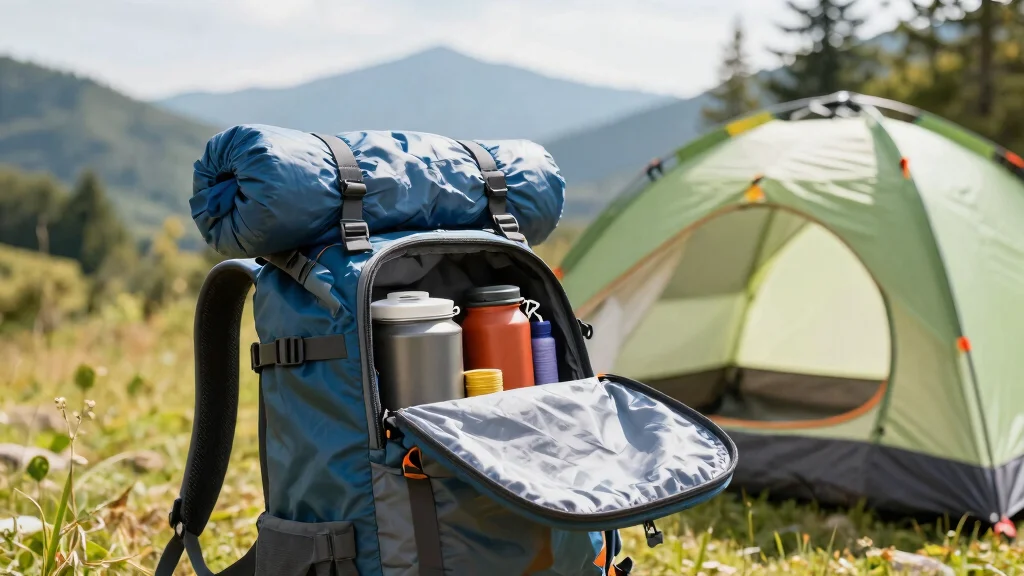
Camping is one of those experiences that makes you crave adventure and escape from the daily grind. The thrill of exploring the great outdoors, sleeping under the stars, and disconnecting from technology can be invigorating. However, packing for a camping trip often feels like a daunting task. You want to bring everything you might need, but fitting it all into your backpack can feel impossible. That’s why I created this post. I want to help you maximize your packing efficiency and make your next getaway a breeze.
If you’re someone who loves camping but struggles with fitting all your gear into a tidy package, this guide is designed especially for you. Whether you’re a minimalist camper or someone who just wants to simplify your packing process, you’ll find valuable tips here. You’ll discover clever camping packing hacks that save space and keep your gear organized, ensuring you have everything you need without the hassle.
In this article, I’ve compiled 17 smart camping packing hacks that are practical, easy to implement, and perfect for any camping situation. From rolling your clothes to using compression bags, these tips will help you fit more into less space, allowing you to focus on enjoying the great outdoors rather than stressing over packing. Let’s dive in and make your next camping adventure the best one yet!
Key Takeaways
– Roll Your Clothes: Rolling clothes instead of folding them can save space and reduce wrinkles, making packing more efficient.
– Use Compression Bags: These bags can significantly reduce the volume of bulky items like sleeping bags and clothes, freeing up room for other essentials.
– Choose Multi-Functional Gear: Opt for items that serve multiple purposes, like a cooking pot that doubles as a bowl, to cut down on the number of things you need to pack.
– Packing Cubes: Using packing cubes can help organize your gear and make it easy to find what you need quickly, without rummaging through your entire bag.
– Hydration Bladder vs. Bottles: A hydration bladder allows you to carry more water while taking up less space compared to traditional water bottles, making hydration easier on the trail.
1. Roll Your Clothes Instead of Folding
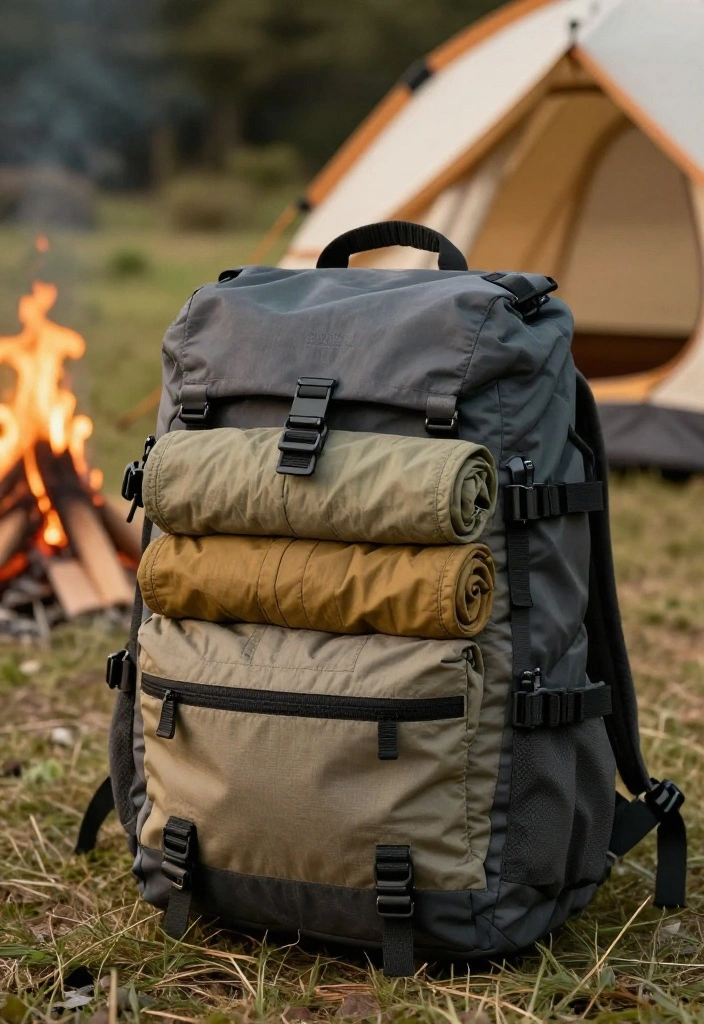
Are you tired of struggling to fit your clothes into your backpack? Rolling your clothes instead of folding them is a fantastic solution! This simple method not only saves space but also keeps your garments wrinkle-free, making it easier to grab what you need on the go. Whether you’re packing lightweight tees or bulkier sweaters, rolling is the way to go!
To roll your clothes effectively, find a flat surface and lay them out neatly. Start at one end and roll tightly to the other end for a compact shape. Secure your rolls with rubber bands or place them in travel cubes for added organization.
Key benefits of rolling clothes:
– Maximize space in your backpack
– Keep items visible and accessible
– Prevent wrinkles on all fabric types
This packing hack not only helps you fit more in your bag but also makes unpacking a breeze. You’ll enjoy a clutter-free experience while camping!
Roll Your Clothes Instead of Folding
Editor’s Choice

Compression Packing Cubes Set for Travel – Lightweight, Durable Clothes …

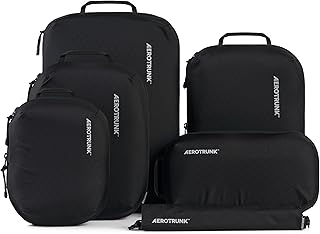
Aerotrunk Ultralight Compression Packing Cubes – Lightweight Travel Orga…

Eagle Creek Pack-It Reveal Compression Cube – Lightweight Compression Cu…

Shacke Packing Cubes for Travel 8 Set – Compression Luggage Organizer Ba…

Shacke Packing Cubes for Travel 5 Set – Compression Luggage Organizer Ba…
2. Use Compression Bags for Sleeping Bags and Clothes
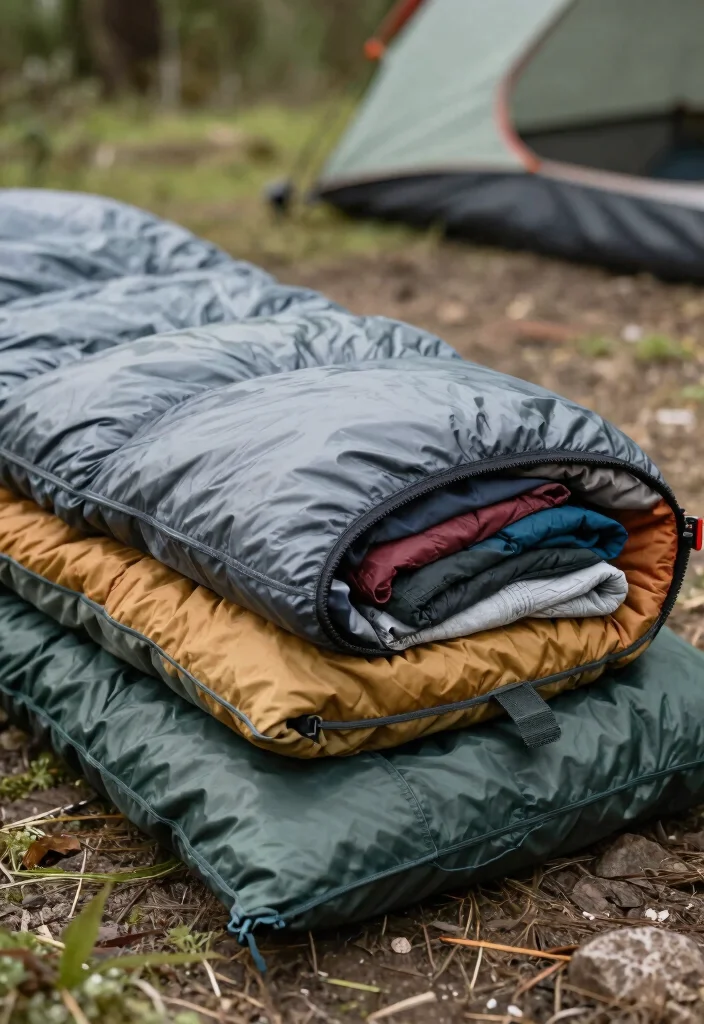
Looking to save space for your camping gear? Compression bags could be your new best friend. These nifty airtight bags let you shrink bulky items like sleeping bags or winter clothes down to almost nothing, freeing up valuable packing space. Perfect for campers who want to maximize every inch of their pack!
To use compression bags, start by stuffing your sleeping bag into the sack, seal it, and then roll or squeeze out the excess air. Store the compacted bag at the bottom of your backpack for easy access.
Benefits of compression bags:
– Reduce the size of bulky items
– Keep your gear dry and protected
– Enhance packing efficiency for backpackers
This strategy not only saves space but also keeps your camping essentials organized and ready for your next adventure!
Pro tip: compression bags can cut bulky sleeping bags by up to 60% of their volume. Roll, squeeze out the air, and tuck the compact bag at the bottom of your pack for instant extra space—perfect for minimalist camping packing hacks.
3. Pack Multi-Functional Gear
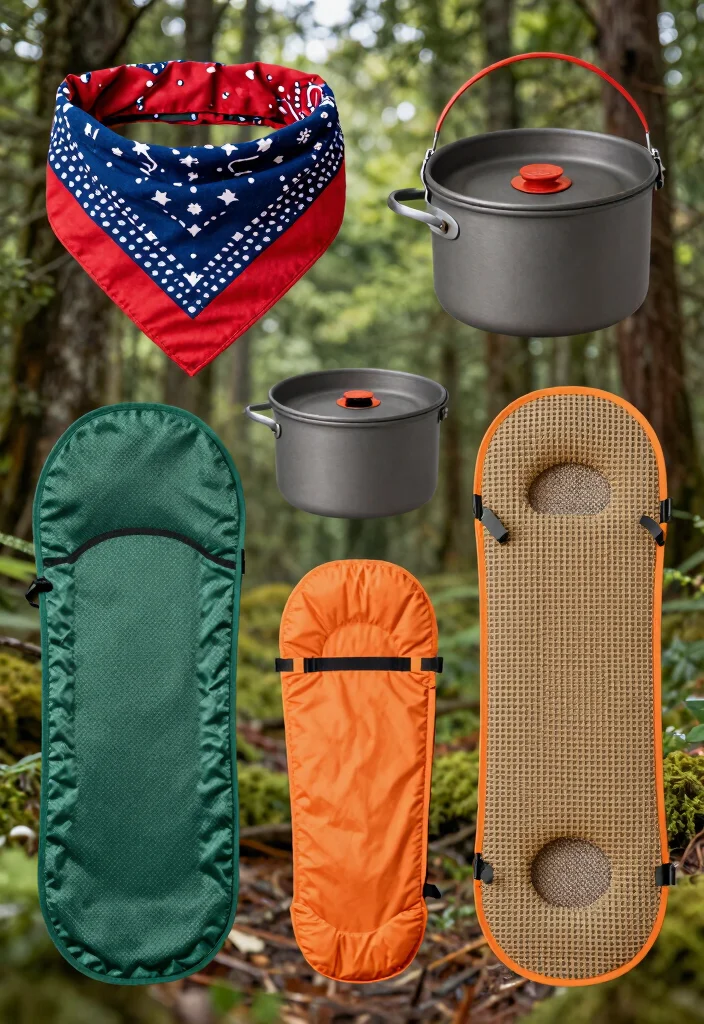
Want to pack smarter for your camping trip? Focus on multi-functional gear that serves more than one purpose. For instance, a simple bandana can act as a towel, headband, or pot holder, making it a versatile addition to your pack.
When considering gear, look for items that can perform multiple roles. A sleeping pad can double as a seat cushion, while a cooking pot can also be used for eating. Lightweight camping chairs that fold into a backpack save space and serve as seating too!
Examples of multi-functional gear:
– A sleeping pad that also acts as a cushion
– A cooking pot that doubles as a bowl
– Hiking poles that can convert into tent stakes
This approach simplifies your gear list while ensuring you have everything you need, making your camping experience more enjoyable!
4. Use Packing Cubes
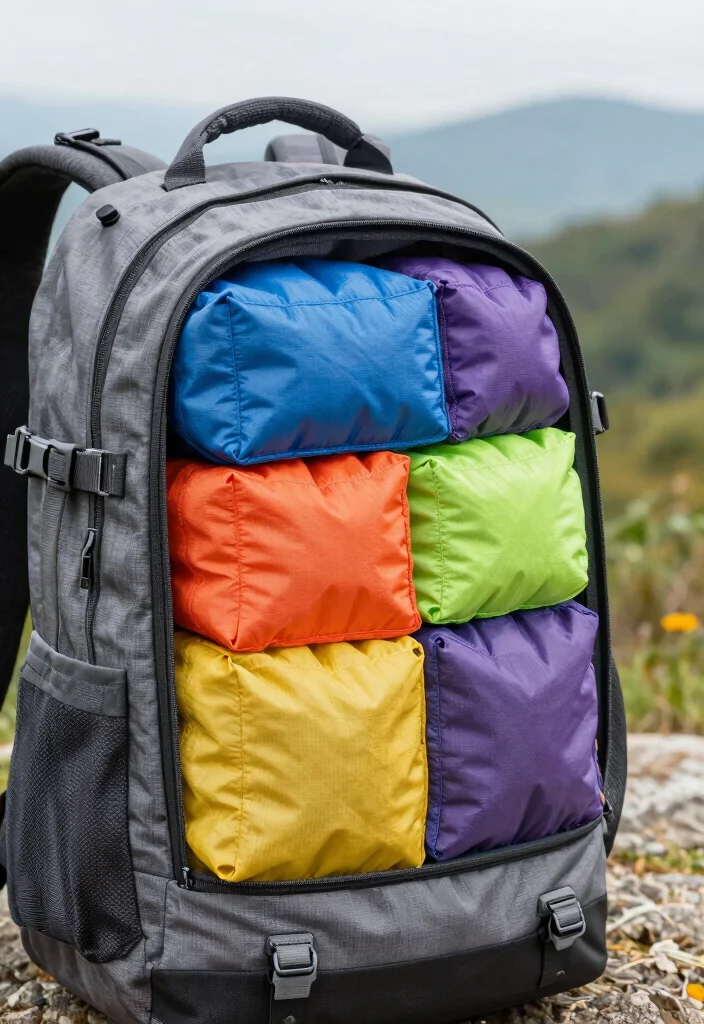
Are you overwhelmed by the chaos in your backpack? Packing cubes are a game-changer for keeping your gear organized. They allow you to categorize your items, so you can find what you need without digging through a jumbled mess.
To use packing cubes effectively, assign each cube a category like clothing, toiletries, or first-aid supplies. Start with the larger cubes at the bottom of your backpack and fill smaller gaps with additional items. Labeling your cubes can make access even easier!
Benefits of packing cubes:
– Keep your gear organized and accessible
– Reduce the hassle of searching for items
– Create a neat and tidy backpack
Using packing cubes not only simplifies your packing process but also enhances your overall camping experience by saving you time and effort!
5. Hang Cooking Gear on the Outside
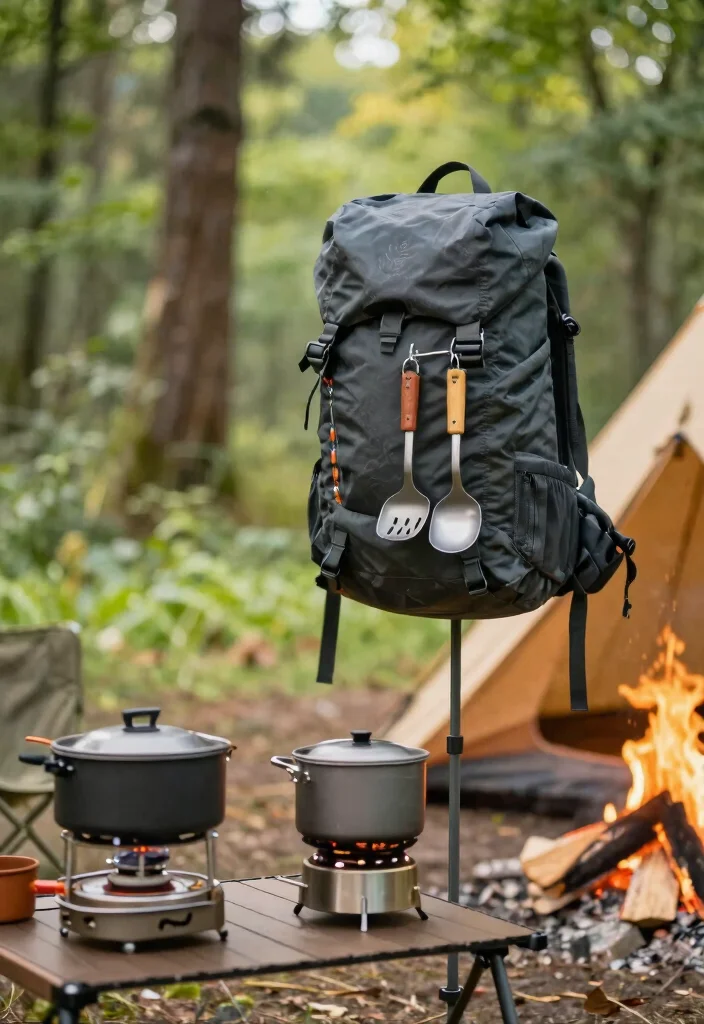
Want to free up space inside your backpack? Consider hanging your cooking gear on the outside using carabiners or straps. This technique not only maximizes interior space but also keeps your heavier items from weighing you down.
When hanging gear, attach items like pots, pans, and utensils securely. Ensure they are fastened well to avoid swinging while you hike. This method adds a rugged style to your pack and keeps essentials within easy reach.
Items to hang:
– Cookware pots and pans
– Utensils like spatulas or tongs
– A lightweight stove
By utilizing this space-saving strategy, you’ll enhance your camping experience with quick access to your cooking gear while enjoying the great outdoors!
How To Choose The Right Camping Gear
When it comes to outdoor adventures, choosing the right camping gear can make all the difference in your experience. With limited space in your pack, you’ll want to make smart selections that balance functionality, weight, and comfort. Here are some key factors to consider:
1. Size
Think about the space you have available in your backpack. Each item should be compact and fit well within your pack. Measure your backpack’s dimensions and look for gear that maximizes storage without adding bulk. For instance, a sleeping bag that compresses well will save space compared to a bulkier option.
2. Weight
Lightweight gear is crucial for minimizing fatigue during your camping trip. Aim for items that are light yet durable. For example, ultralight tents can weigh less than two pounds while still providing ample protection from the elements. This helps you carry more essential items without the burden of heavy gear.
3. Functionality
Select multi-functional gear that can serve multiple purposes. A camping stove that also acts as a frying pan, or a sleeping pad that can double as a seat cushion, can greatly enhance your experience while keeping your pack light. Look for products designed for versatility to maximize your utility on the trip.
4. Material
The material of your gear can impact both durability and weight. For instance, nylon and polyester are often favored for tents and backpacks due to their lightweight and weather-resistant properties. Always check the specifications for tear resistance and waterproof ratings, especially for outdoor gear subject to harsh conditions.
5. Budget
Set a budget before shopping for gear. Quality camping items can range significantly in price. While it’s tempting to go for cheaper options, investing in reliable gear can save you money in the long run as it reduces the chance of failure or replacement expenses. Consider quality brands that offer warranties for added security.
Pro Tip: Before purchasing, read reviews and ask for recommendations from experienced campers. Often, these insights can lead you to gear that performs well in real-world conditions. Also, consider testing items in-store to find the best fit for your needs and comfort level.
By taking these factors into account, you’ll be well-prepared to choose camping gear that fits your needs and helps you enjoy your outdoor adventure to the fullest.
6. Utilize Every Corner of Your Backpack
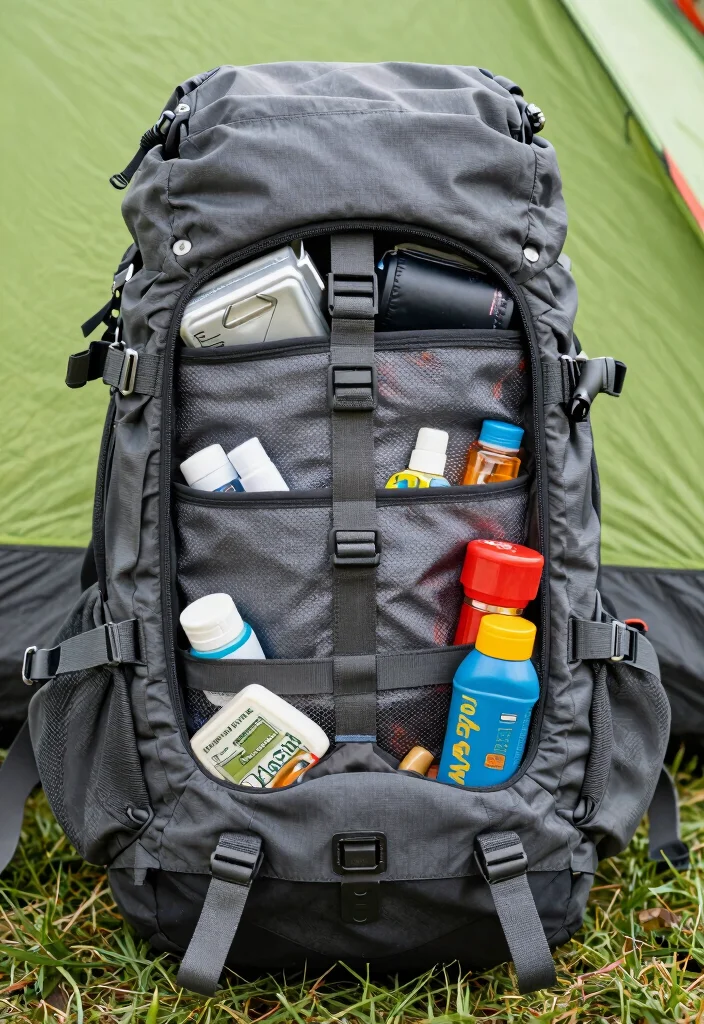
Think of your backpack as a treasure chest waiting to be filled! Every nook can hold something useful. By filling gaps with smaller items like socks, snacks, or toiletries, you can maximize your packing space effectively.
To make the most of your corners, roll up socks and tuck them into shoe spaces or use snacks to fill the sides of your pack. Toiletries can nestle into pockets or compartments to keep everything organized.
Ideas for small items:
– Rolled socks fit perfectly in shoes
– Snacks can fill side pockets
– Toiletries can be tucked into compartments
This packing strategy not only makes use of every inch but also ensures that your smaller items are easy to find and accessible throughout your trip!
7. Choose Lightweight Gear
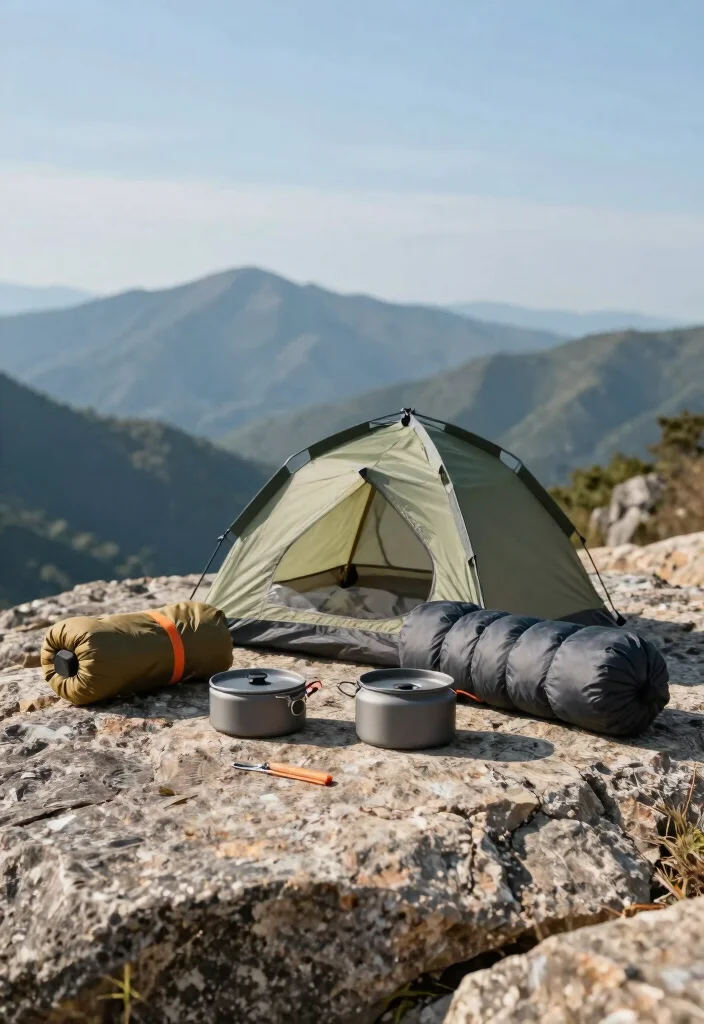
Carrying heavy gear can quickly become exhausting on the trail. One of the best camping hacks is to choose lightweight gear whenever you can. This simple choice dramatically reduces your pack weight, making your hikes much more enjoyable.
Invest in ultralight tents, compact cooking sets made from titanium, and lightweight hiking shoes or sandals. These choices save space and enhance your experience by preventing fatigue during long hikes.
Examples of lightweight gear:
– Ultralight tents and sleeping bags
– Compact cooking sets made from durable materials
– Lightweight footwear for comfort
Investing in quality lightweight gear allows you to carry more essentials without the burden of extra weight, ensuring a more pleasurable camping adventure!
8. Pack Snacks Wisely
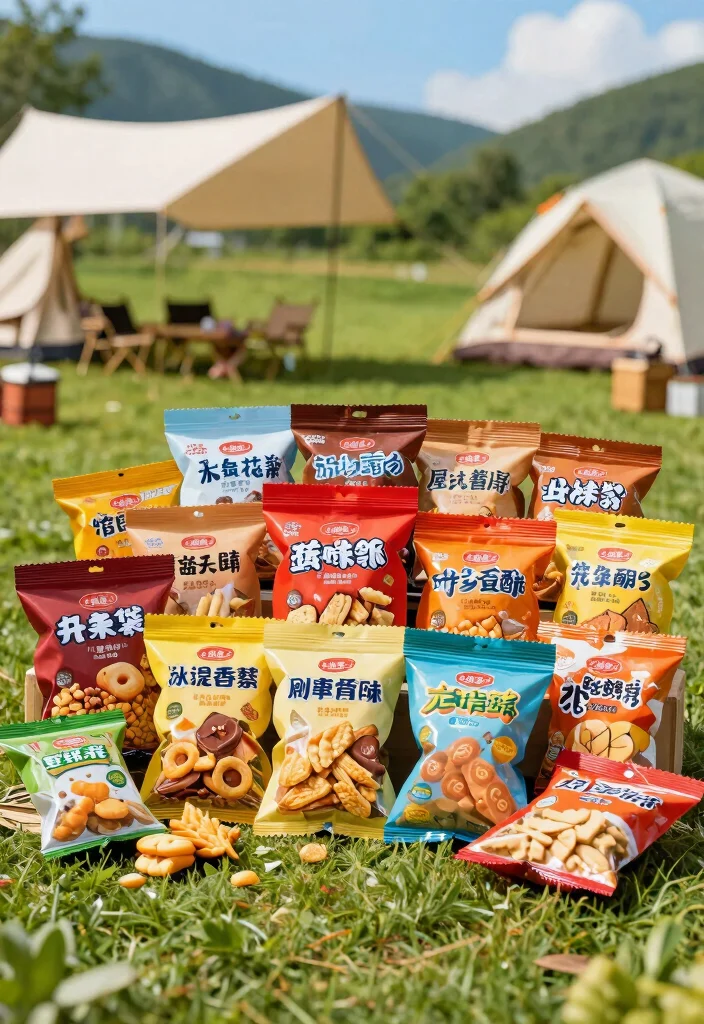
Snacks are essential for keeping your energy up while camping, but if not packed properly, they can create chaos in your bag. By choosing lightweight, high-energy snacks and repackaging them into smaller containers, you can keep your pack organized.
Consider pre-portioning snacks into snack-sized bags for easy access. Stack energy bars vertically to save space, and use small containers for dried fruit. This ensures nothing gets crushed during your outdoor adventures.
Snack ideas to pack:
– Trail mix in easy-to-carry bags
– Energy bars arranged for easy access
– Dried fruit stored in compact containers
By packing wisely, you’ll keep your snacks organized and your energy levels high, enhancing your overall camping experience!
Pack Snacks Wisely
Editor’s Choice

Tiny Twinkle 5 Pack Reusable Snack Bags – Machine Washable, PFAS, PVC, B…
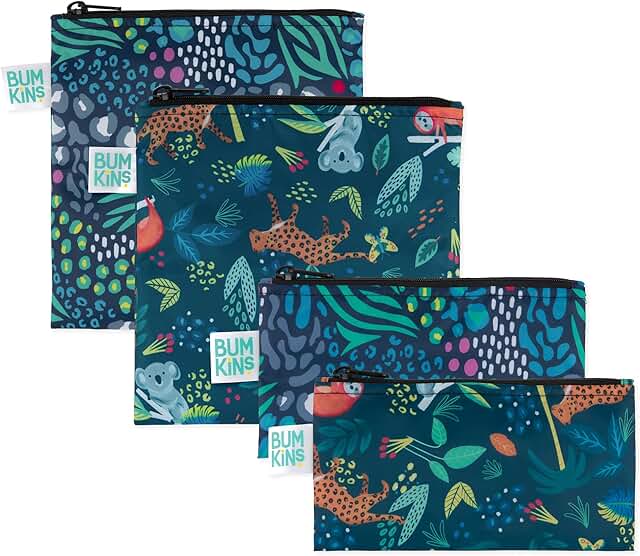
Bumkins Reusable Sandwich and Snack Bags, for Kids School Lunch and for …

(re) zip 5-pack Stand-Up Reusable Bags | BPA-Free, Food Grade, Leakproof…

CLIF BAR – Energy Protein Bars – Variety Pack – 3 Flavors – Made with Or…

Rubbermaid Brilliance BPA-Free Food Storage Containers Multi Pack, 1.3 C…
9. Use a Hydration Bladder Instead of Bottles
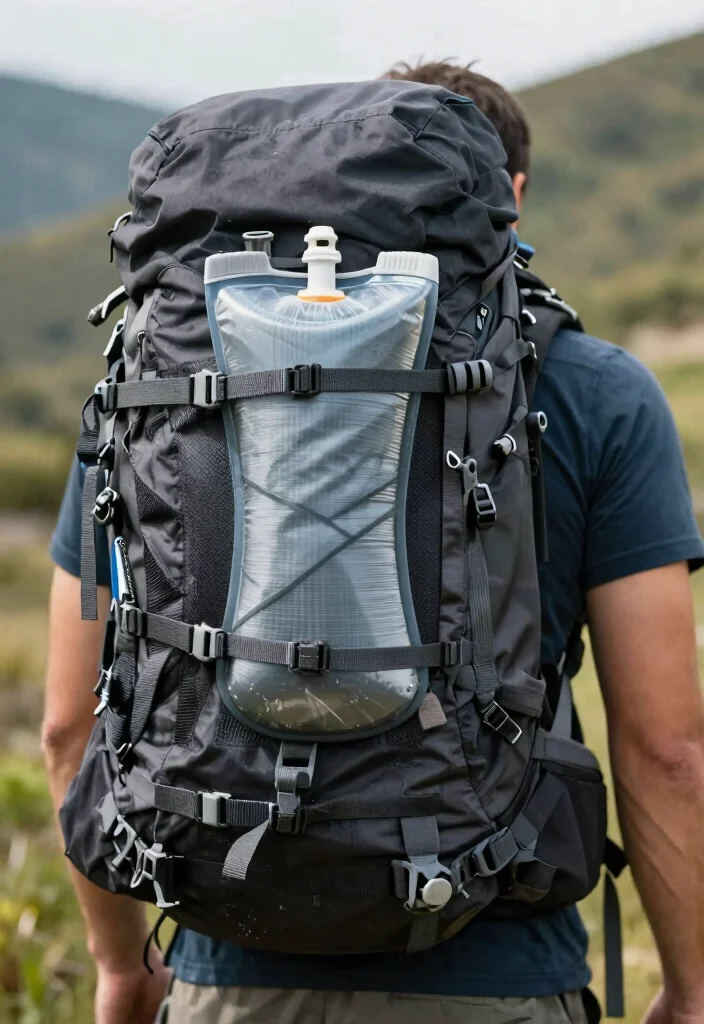
Hydration is key during outdoor adventures, and switching to a hydration bladder can save space in your backpack. These bladders fit snugly in your pack and allow for hands-free drinking, making hydration simpler and more efficient.
To use a hydration bladder, fill it up and tuck it away in your bag, with the hose accessible for easy sipping while on the move. This prevents spills and ensures you have enough water for your journey.
Benefits of hydration bladders:
– Save space compared to water bottles
– Prevent spills with secure closures
– Provide hands-free hydration while hiking
This simple switch not only lightens your load but also encourages you to stay hydrated, making your camping experience more enjoyable!
10. Bring a Pocket-Sized Multi-Tool
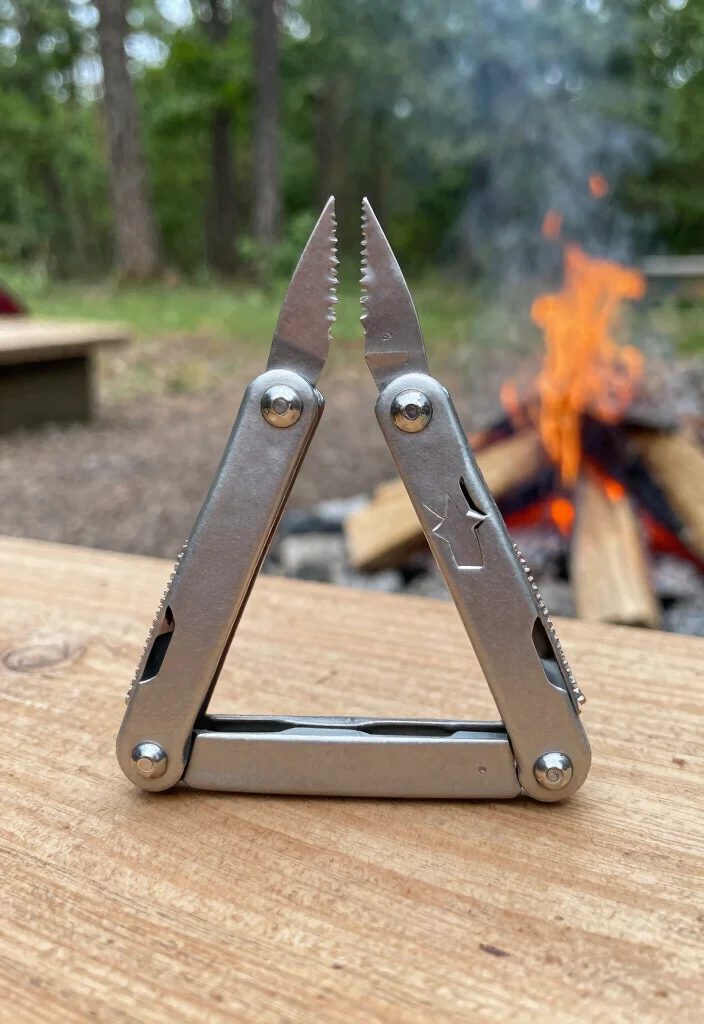
A pocket-sized multi-tool is a must-have for campers. Its compact design and versatility save precious space in your pack while offering multiple tools when you need them the most. This little gadget can be a lifesaver during your outdoor adventures!
When selecting a multi-tool, look for essential tools like knife blades, screwdrivers, and can openers. Choose a lightweight model that fits comfortably in your pocket, ensuring durability for outdoor use.
What to look for in a multi-tool:
– Include various useful tools in one device
– Lightweight for easy carrying
– Durability for long-lasting use
Having a multi-tool reduces the necessity of bringing multiple tools, streamlining your packing and enhancing your camping experience!
Fun fact: a pocket-sized multi-tool can replace 4–5 separate gadgets in your pack, freeing up space for more camping packing hacks. Choose a lightweight, durable model with knife blades, screwdrivers, and a can opener. It’s your space-saving lifesaver on trail days.
Bring a Pocket-Sized Multi-Tool
Editor’s Choice

Gerber Gear Dime 12-in-1 Mini EDC Multitool – Needle Nose Pliers, Pocket…
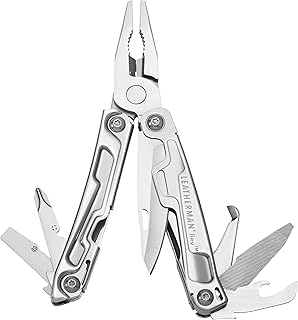
Rev Pocket Size Multitool with Package Opener and Screwdrivers, Stainles…

Skeletool CX, 7-in-1 Lightweight, Minimalist Multi-Tool for Everyday Car…

NexTool Mini Sailor S11 Keychain Multitool, 11-in-1 Compact EDC Pliers w…

Micra, Keychain Multi-tool with Grooming Tools, Mini Pocketknife for Eve…
11. Pack a Lightweight Tarp
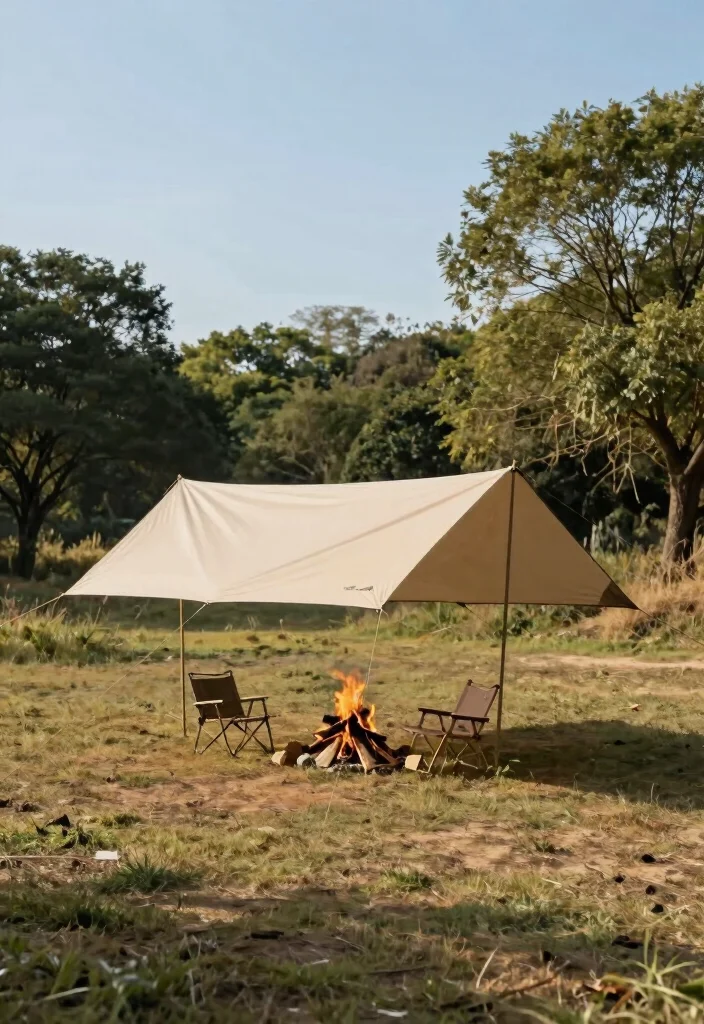
A lightweight tarp can revolutionize your camping experience. It serves multiple purposes, such as a ground cover, rain shelter, or sunshade, eliminating the need for additional gear and saving space in your pack.
To utilize a tarp effectively, set it up as a rain fly for your tent, use it for picnics, or lay it down for extra ground protection. This versatile item enhances your camping experience without adding extra weight.
How to utilize a tarp:
– Set it up as a rain fly for your tent
– Use it for sun protection during the day
– Lay it down for extra comfort when resting
Incorporating a tarp into your gear not only provides flexibility but also enhances your overall comfort while enjoying nature!
Fun fact: a compact 9×11 ft tarp can replace three bulky items and cut pack weight by up to 40%. In practice, use it as a rain fly, ground cover, or sunshade—camping packing hacks that actually fit more in your bag.
Pack a Lightweight Tarp
Editor’s Choice

AquaQuest Guide Tarp – Ultralight Waterproof (5,000 mm) Seam-Taped 40D R…

Waterproof Camping Tarp – 10X10ft Hammock Rain Fly, Ultralight & Portabl…

KALINCO Waterproof Camping Tarp Tent Hammock Rain Fly, 10X10FT/10X15FT, …

OneTigris Bulwark Camping Tarp, 100% Waterproof Bushcraft Shelter, Light…

Waterproof Camping Tarp 10 x 10ft Survival Tent Backpacking Portable Tar…
12. Choose Lightweight Cooking Gear
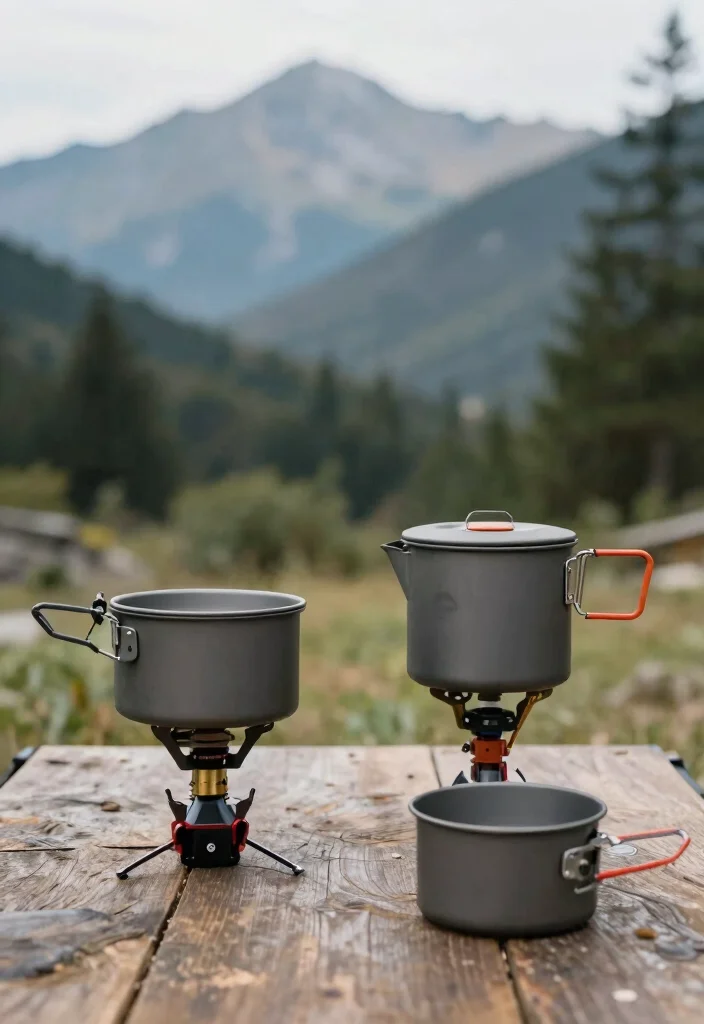
Your cooking gear can significantly impact your overall pack weight, so opt for lightweight items. Choosing titanium pots and compact stoves allows you to cook delicious meals without the burden of carrying heavy equipment.
Look for cooking gear with compact designs that nest together for easy storage. Multi-use items, like stovetops that can also be griddles, maximize efficiency and save space.
Features of lightweight cooking gear:
– Compact designs that save space
– Materials that heat quickly without excess weight
– Multi-use functions for versatility
By selecting lightweight cooking gear, you’ll enjoy delicious outdoor meals without the hassle of heavy equipment, enhancing your camping experience!
13. Use a Portable Phone Charger
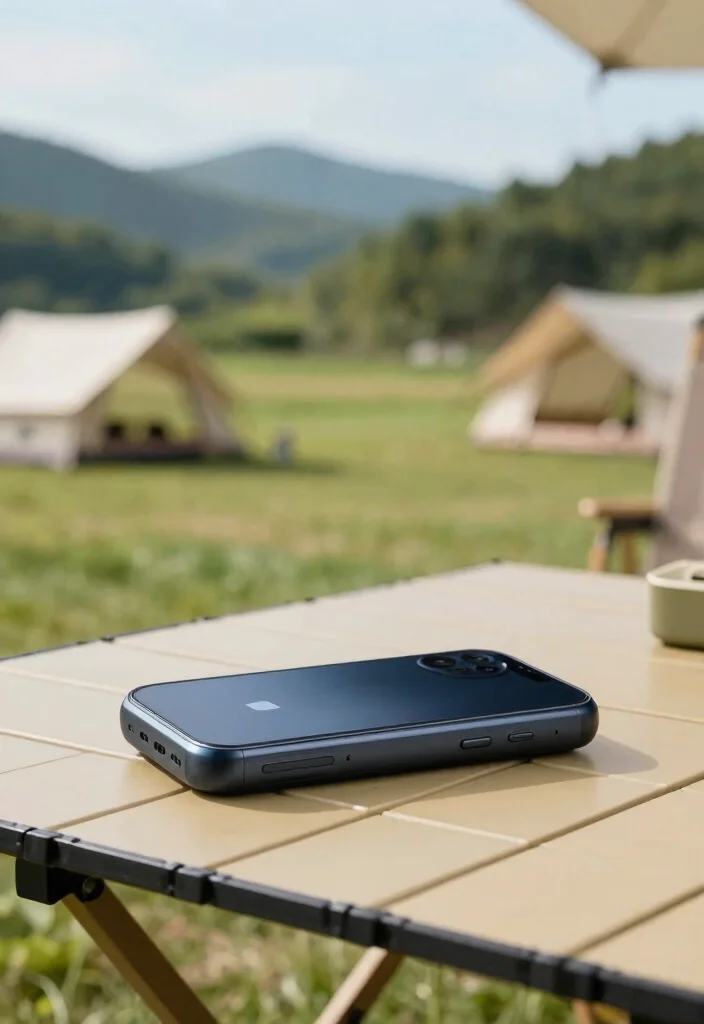
In today’s world, staying connected while camping is important. A portable phone charger can help you avoid carrying multiple charging cables, saving space and ensuring you stay powered throughout your trip.
Choose a durable charger with long battery life to keep your devices charged. Many portable chargers can even power multiple devices at once, providing peace of mind during your outdoor adventures.
Benefits of portable chargers:
– Compact design for easy storage
– Charge multiple devices simultaneously
– Provides peace of mind for emergencies
This small addition can greatly enhance your camping experience, ensuring you stay connected and prepared!
14. Choose a Lightweight Tent
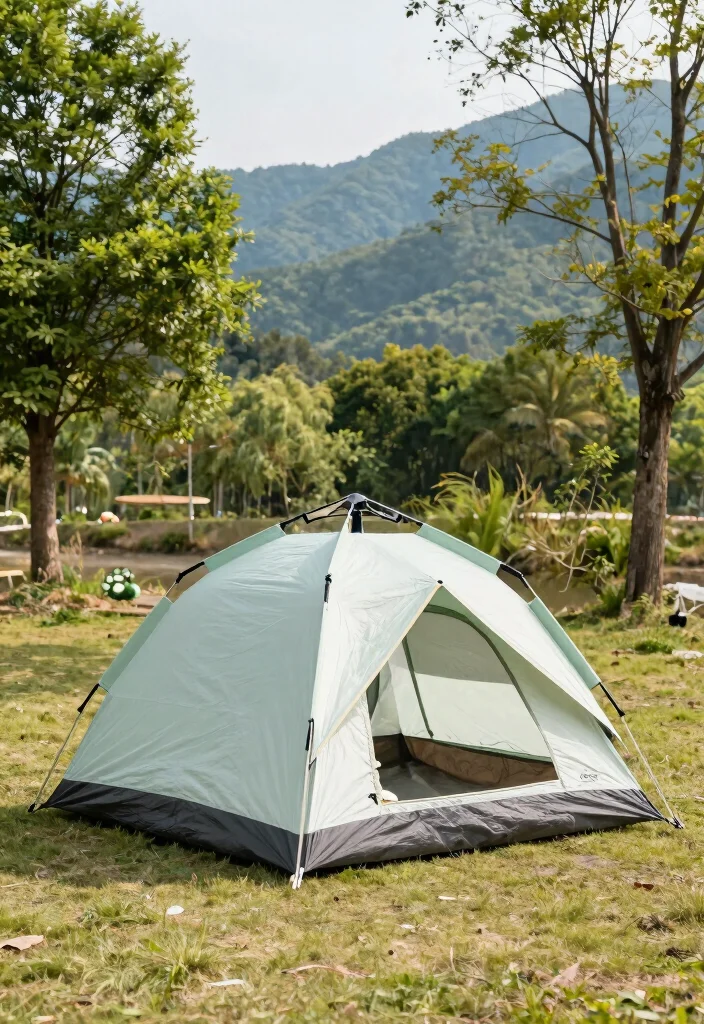
Your tent is often one of the bulkiest items in your pack, so opting for a lightweight model can drastically reduce your overall load. Modern lightweight tents offer durability and protection from the elements without the hefty weight.
Look for tents made from high-quality materials that are easy to set up, featuring fewer poles for a quicker setup process. A compact design fits snugly into your backpack, making transport effortless.
Features of lightweight tents:
– Made from durable, weather-resistant materials
– Easy setup with fewer components
– Compact when packed for easy transport
Choosing a lightweight tent allows you to relish your camping adventures without the hassle of excess weight, making your experience more enjoyable!
15. Use Ziplock Bags for Organization
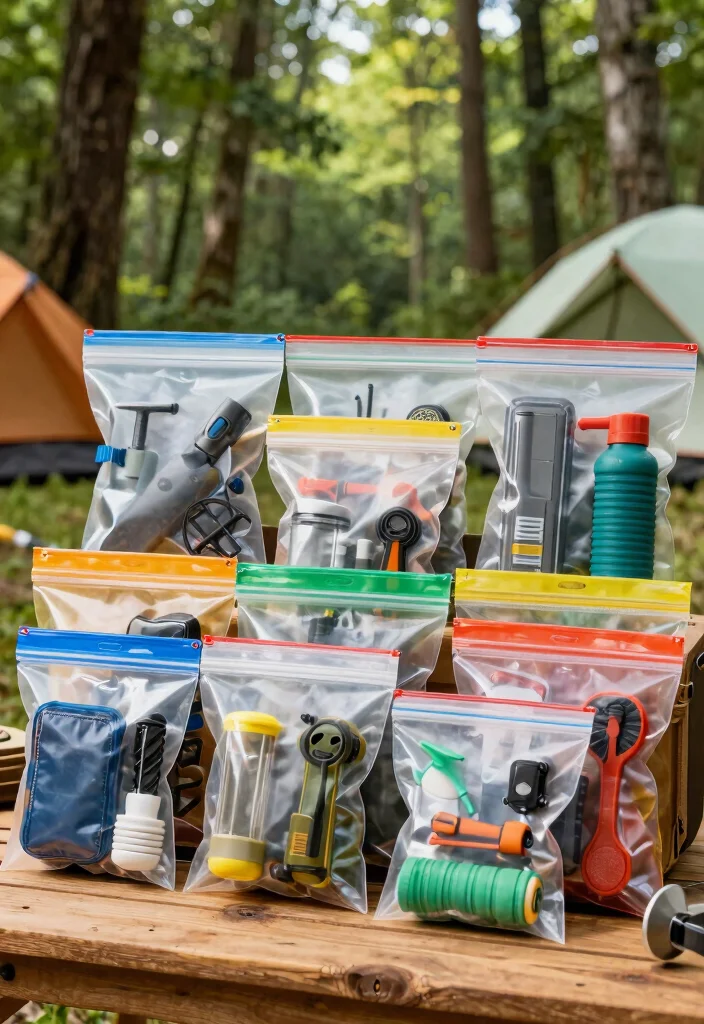
Ziplock bags are your secret weapon for organizing smaller items like toiletries, snacks, and first-aid supplies. They keep your belongings clean and dry while minimizing clutter in your backpack.
To use Ziplock bags effectively, group similar items together, such as toiletries in one bag and snacks in another. Label each bag for quick access and choose various sizes to fit your packing needs.
How to use Ziplock bags effectively:
– Group similar items for organization
– Label each bag for quick access
– Use different sizes to suit your needs
This simple hack not only saves space but also protects your items from moisture, enhancing your camping experience!
16. Invest in a Packable Backpack
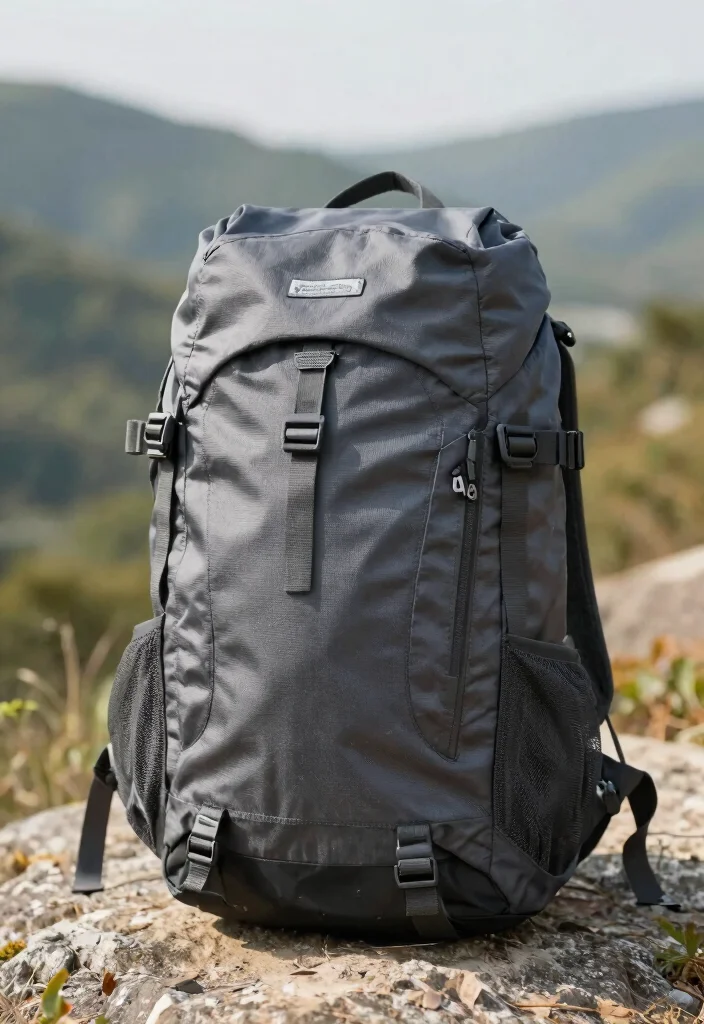
A packable backpack is an excellent addition to your camping gear, especially for day hikes or short trips. These lightweight backpacks fold down into a small size, making storage in your main pack effortless when not in use.
Packable backpacks are versatile for various outdoor activities, and they can serve as an extra bag for carrying additional gear. Investing in a quality packable backpack offers flexibility on your adventures, allowing for spontaneous hikes without worrying about extra space.
Benefits of packable backpacks:
– Lightweight and easy to carry
– Versatile for different outdoor activities
– Provides extra carrying capacity when needed
This convenient addition ensures you have everything you need for your adventures without the fuss of excess packing!
Invest in a Packable Backpack
Editor’s Choice

Eddie Bauer Stowaway Packable Backpack | Travel | Outdoor | Lightweight …


eagle creek Packable Backpack – Compact Multipurpose Water Resistant Bac…

Osprey Ultralight Collapsible Stuff Pack – Lightweight, Packable Travel …
17. Bring a Lightweight Hammock
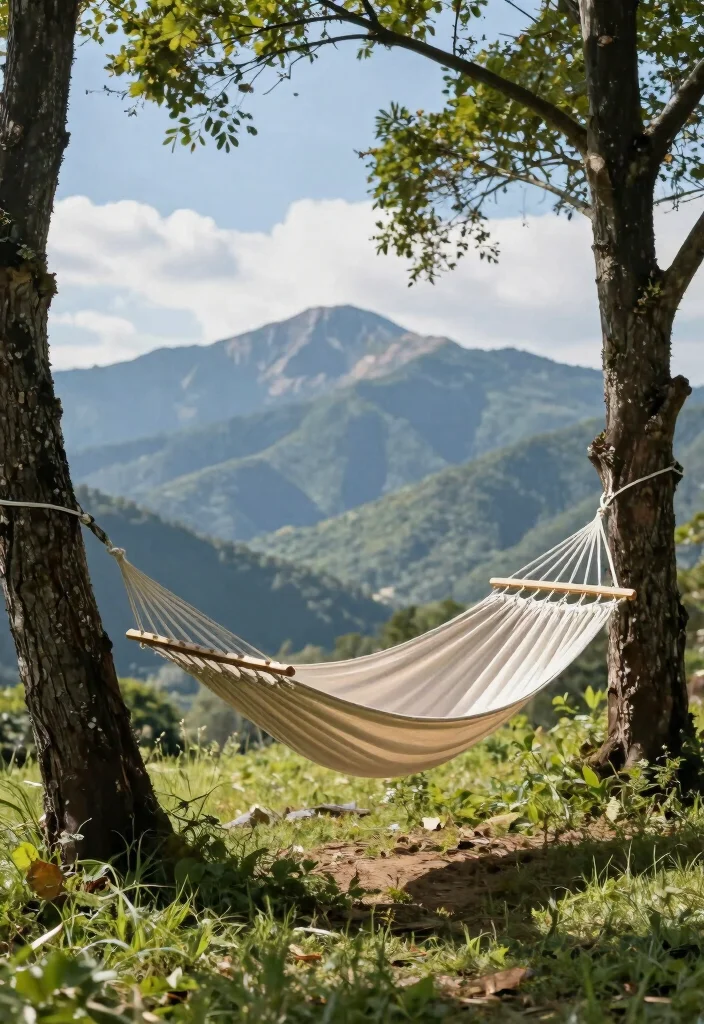
A lightweight hammock is a fantastic space-saver that offers a cozy spot to relax after a long day of hiking. These hammocks pack down small and can be set up quickly, providing a comfortable place to unwind.
When selecting a hammock, look for one that is easy to set up and made of breathable materials for maximum comfort. It can even serve as a makeshift tent in some situations, adding versatility to your camping gear.
Features of a lightweight hammock:
– Compact and simple to set up
– Ideal for lounging or sleeping outdoors
– Can be used in various settings for versatility
Incorporating a hammock into your camping gear not only enhances your outdoor experience but also provides a unique way to relax and soak in the beauty of nature!
Conclusion
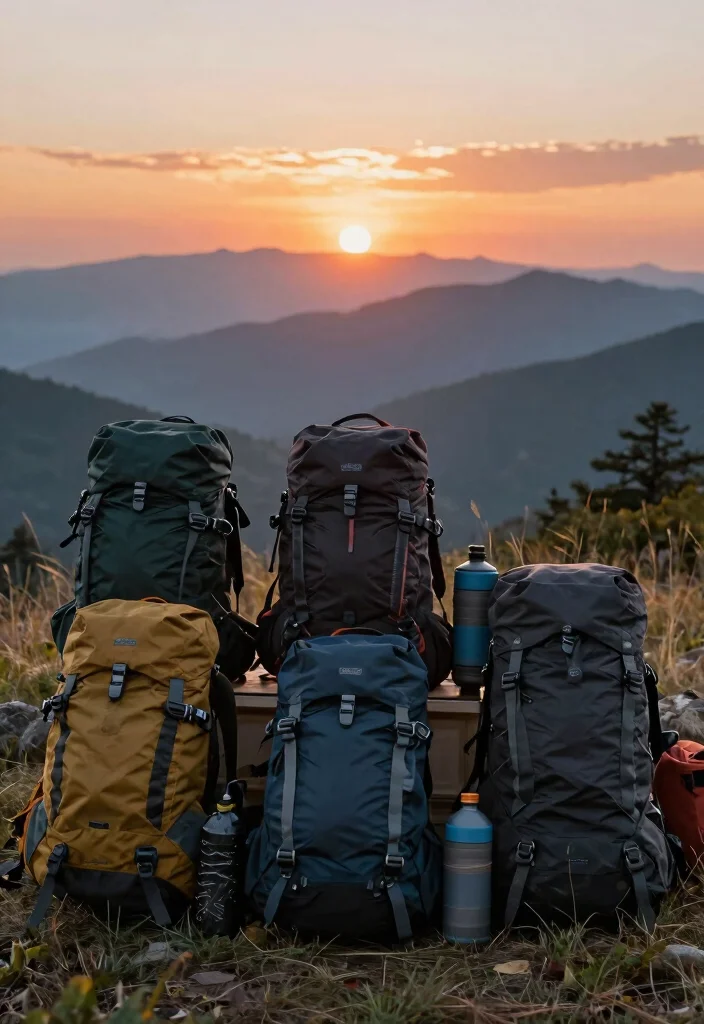
Packing for your next camping trip doesn’t have to be a challenge. By utilizing these clever camping packing hacks, you can fit more in less space while keeping your gear organized and functional.
From rolling clothes to choosing multifunctional gear, every small adjustment can enhance your outdoor experience. So gear up, embrace the adventure, and hit the trails with confidence!
Note: We aim to provide accurate product links, but some may occasionally expire or become unavailable. If this happens, please search directly on Amazon for the product or a suitable alternative.
This post contains Amazon affiliate links, meaning we may earn a small commission if you purchase through our links, at no extra cost to you.
Frequently Asked Questions
What are the top camping packing hacks to fit more gear into a smaller pack?
Start with a minimalist mindset and choose ultralight, multi-use gear.
Roll and compress clothes, use dry bags, and stash small items inside shoes or gaps in your pack to maximize space.
Utilize packing cubes or sub-bags to create tidy zones and keep things accessible, focusing on camping packing hacks and space-saving techniques.
Plan your layout by weight and frequency of use, so the most-used items stay within easy reach without overpacking.
How can I improve outdoor gear organization for minimalist camping?
Organization is a game changer for minimalist camping.
Use outdoor gear organization tools like dry bags, labeled compartments, and compact packing cubes to create dedicated zones in your pack.
Keep frequently used items in easy-access pockets and seal liquids to prevent leaks.
Adopt a simple pre-trip layout and a quick-access checklist to save time and avoid taking unnecessary gear.
Which space-saving techniques help with packing backpacking essentials without overpacking?
Focus on space-saving techniques that preserve your backpacking essentials without adding bulk.
Choose an ultra-light shelter, compact sleeping gear, and a stove that’s fuel-efficient.
Layer and compress clothing, use multi-use tools, and remove non-essentials based on a clear packing list.
Test your pack before departure to ensure you can carry everything comfortably on the trail.
What travel packing strategies work best for camping trips in varying weather?
Prioritize flexible travel packing strategies that handle changing conditions.
Layering is key: breathable base layers, an insulating mid-layer, and a lightweight rain shell.
Choose packable gear and keep a compact weather-ready kit handy for quick changes.
Use compression sacks to shrink bulky clothing and test your setup to ensure comfort during hikes and camps.
How can camping tips help you fit weekend gear into a carry-on-sized bag?
Yes—smart camping tips can help you fit weekend gear into a carry-on or small backpack.
Opt for ultra-light essentials: compact tent or tarp, lightweight sleeping bag, and a small stove.
Pack versatile clothing that layers well, and choose dehydrated meals to cut bulk.
Practice a trial packing session to ensure you’re using camping packing hacks effectively and not overpacking.
Related Topics
camping packing hacks
space-saving techniques
outdoor gear organization
backpacking essentials
minimalist camping
travel packing strategies
beginner friendly
quick tips
efficient packing
camping tips
lightweight gear
seasonal camping