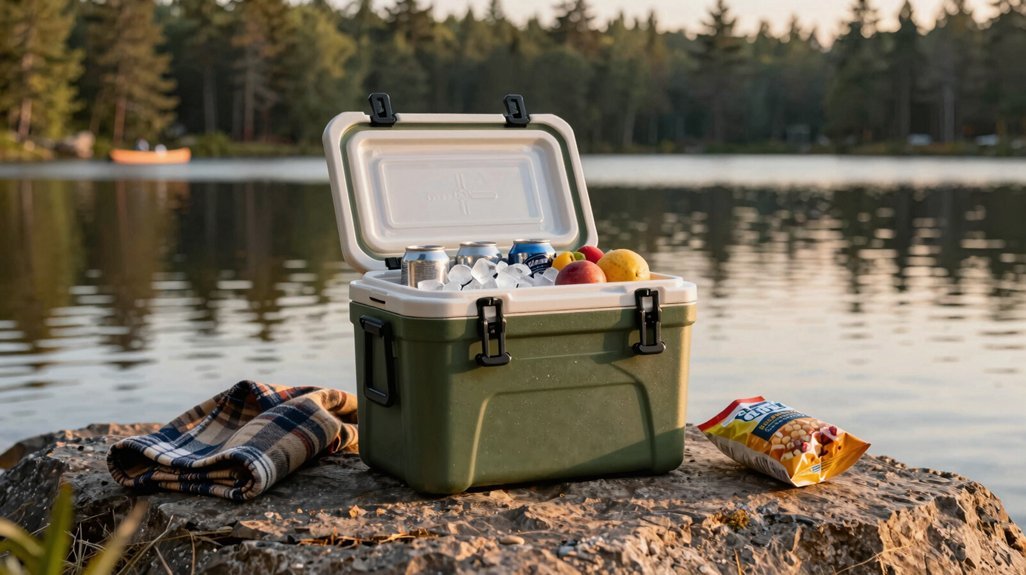
You’re standing in the cooler aisle staring at 20-quart personal tubs and 150-quart monsters that could hold a deer. I’ve bought both and learned the hard way: size dictates everything from ice retention to how often you curse your campsite parking spot. For solo overnights, you’ll survive with 20–30 quarts. Weekend trips for two push you toward 45–60 quarts.
But here’s the trap nobody warns you about: a cooler too big drains your wallet on ice and strains your back empty. Two coolers beat one bulky box every time. Split drinks and food so you’re not digging warm air into frozen meat six times daily. Your ice ratio matters more than brand prestige; 2:1 ice-to-contents keeps food safe past day three in quality insulation.
Wheels sound silly until you’re hauling 60 pounds across gravel. Pre-chilling your cooler overnight, freezing meat solid, packing perishables on top: these details separate weekend warriors from week-long campers. I’ll admit I once packed a 110-quart behemoth for a two-night trip. Never again. The sweet spot hides between “just enough” and “I can actually lift this.”
Camping Cooler Size: Match Capacity to Your Trip
How do you avoid the classic camping mistake of buying a cooler that’s either comically oversized or frustratingly small? You match cooler size directly to your trip type.
Match cooler size directly to your trip type, and you’ll never wrestle with one that’s too big or too small again.
For solo overnight escapes, you’ll want a 20–30 quart model. It holds your essentials without dominating your vehicle’s storage space.
Weekend trips with 2–4 people demand more: a 45–60 quart cooler accommodates food, drinks, and enough ice for solid ice retention through two or three days.
Planning multi-day trips or group camping? You’ll need 75–125 quarts. The volume-to-surface area ratio actually improves ice retention in larger models, though you’ll pay for it in weight and maneuverability.
Your packing strategy matters too. Separate food and drinks to minimize openings, and always measure your trunk before committing. The right fit beats maximum capacity every time.
Recommended Products

Camping Cooler Cover Size: 20''L x20''W x19''H inch. Outdoor cooler cover fits for Tundra 30 quart Cooler and other similar sized portable wheeled camping coolers. Please measure the size before purchasing.
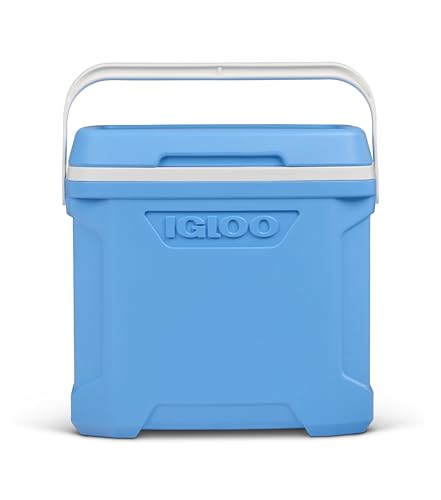
Cool Riser Technology – elevated design improves cooling performance

Light weight : Thanks to its ultra-light, hard PP material and sleek design, our cooler weights just 20.5 pounds, 30% lighter than rotomolded coolers of the same capacity.
Camping Cooler Size Guide: Day Trips to Week-Long Camps
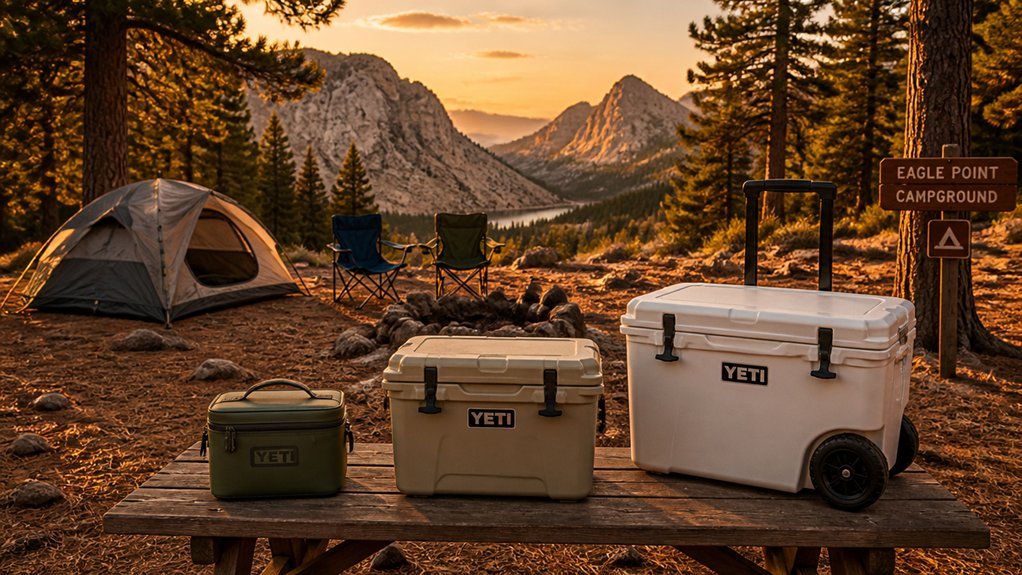
Where exactly does your weekend trip land on the cooler size spectrum? This cooler size guide breaks it down for you.
For day trips, grab a 15–25 quart cooler. It holds about one to two dozen cans, keeping your essentials cold without the bulk.
Weekend camping calls for 45–60 quart coolers. You’ll fit food and drinks for two to three people with adequate ice.
Multi-day camp adventures demand larger coolers, 70–100+ quarts, to store perishables longer.
Here’s the key: maintain a 2:1 ice-to-contents ratio by volume. This maximizes ice retention across any trip length.
Consider a two-cooler setup, one for food, one for drinks. You’ll reduce openings and temperature loss during weekend or longer trips.
Recommended Products

FROSTVAULT TECHNOLOGY: Cold transfers into FrostVault Dry Zone to keep food cool, dry and separate at food-safe temperatures (under 40° F) for days.

FROSTVAULT TECHNOLOGY: Cold transfers into FrostVault Dry Zone to keep food cool, dry and separate at food-safe temperatures (under 40° F) for days.

74-CAN CAPACITY: 45 quarts holds up to 74 cans without ice.
Hard vs. Soft Coolers: Which Fits Your Camping Style?
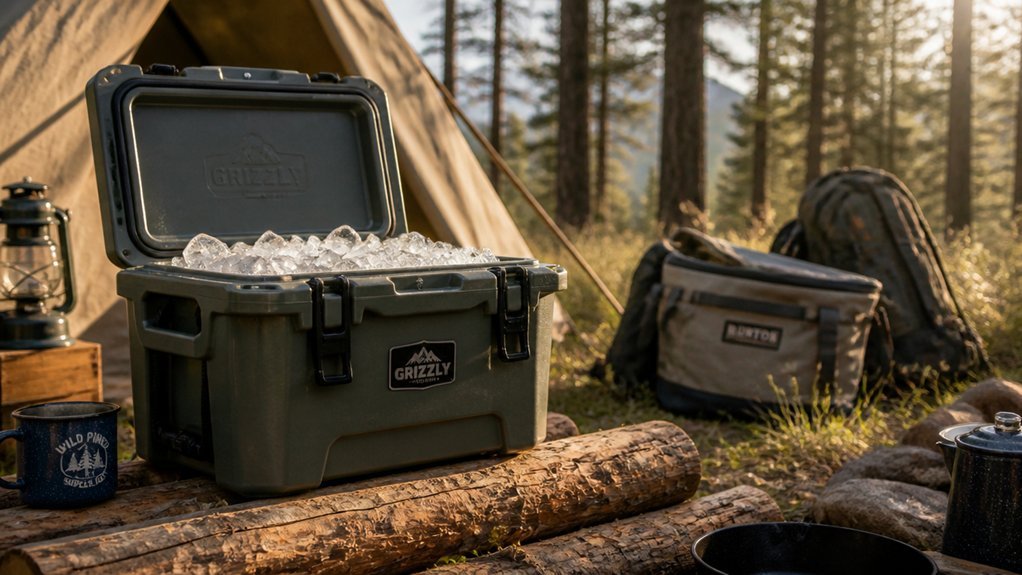
Why settle for one cooler type when your camping style actually demands a specific match? You need to weigh ice retention against portability when choosing between a hard cooler and soft cooler for your camping adventures.
A hard cooler delivers superior ice retention, keeping contents cold for up to a week with rotomolded construction and thick insulation. You’ll want this durability and bear resistance for multi-day trips where rugged terrain demands secure latches and reinforced corners. Transport becomes straightforward with tie-down slots for vehicle mounting.
A soft cooler trades longevity for convenience, offering roughly 35 hours of cooling in a lightweight, portable package. You can stuff it into backpacks for quick hikes or canoe trips when trip duration stays short. Consider your planned load: minimize weight with flexible storage, or maximize protection with rigid construction.
Recommended Products

Innovative soft-ride 8-inch all-terrain wheels tackle sand, gravel and rough ground with superior traction and ease
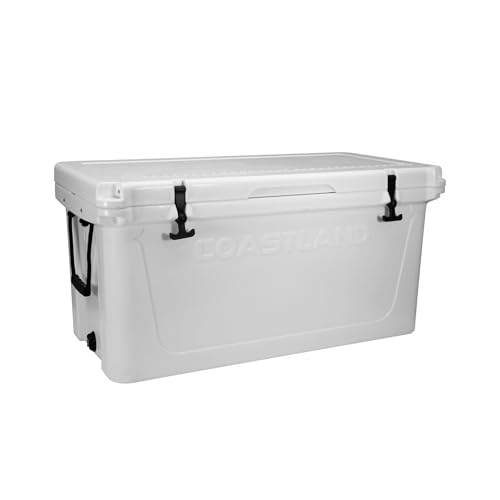
Coastland Delta Series 125-Quart Rotomolded Cooler: Heavy-duty Rotomolded ice chest with top-grade design to lock out airflow for ultimate ice retention, allowing contents to transport and keep cool for days

ROTOMOLDED: Our coolers are made from rotationally-molded LLDPE plastic and are designed to achieve even wall thicknesses for optimal durability.
Wheeled or Carry: Pick Portable Coolers for Your Campsite
When you’re hauling 60 pounds of ice and provisions across gravel or sand, you’ll quickly discover whether your cooler choice matches your campsite reality. A wheeled cooler turns that struggle into manageable momentum, while a carry cooler demands your shoulders and grit.
For your portable cooler decision, weigh these emotional truths:
- Your back will thank you when wheels and handles bear the weight through loose terrain.
- You’ll feel relief watching a 75–125 quart camping cooler roll rather than lift.
- Frustration hits when a carry cooler’s ice retention can’t match a rotomolded wheeled model’s durability.
- Pride swells at effortless load/load-in convenience after smart capacity guidelines: 45–60 quarts for couples, larger for groups.
Assess your terrain. Prioritize portability. Choose wisely.
Recommended Products

STAYS COLD UP TO 60 HOURS: Coleman TempLock foam insulation holds ice-cold temperatures for up to 2.5 days — set it up Thursday night, crack the last cold drink Monday afternoon
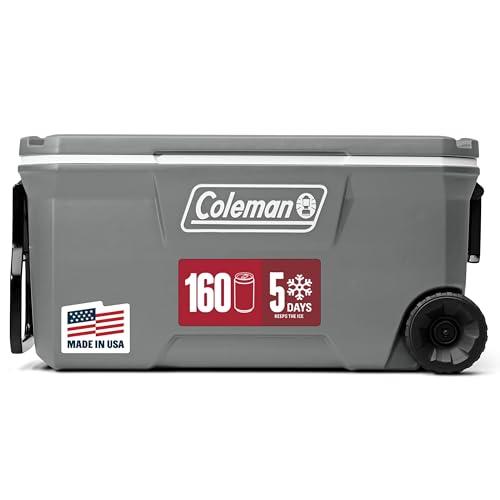
KEEPS ICE UP TO 5 DAYS – Fully insulated lid and body maintain ice in temperatures up to 90°F, keeping food and drinks cold from the first day through the end of your trip.

UV inhibitors in lid guard against sun damage.
Pack Your Camping Cooler: Ice Ratios for Multi-Day Trips
You’ve settled on how to haul your cooler to camp. Now lock in your packing strategy for multi-day trips. Start with a 2:1 ice-to-contents ratio by volume, two parts ice for every one part food and drink. This baseline maximizes cooling duration and gives you buffer for heat creep.
Lock in your packing strategy: start with a 2:1 ice-to-contents ratio by volume for maximum cooling duration.
Pre-chill your cooler overnight; frozen solid beats room temperature every time. Layer block ice on the bottom; its density beats cubes for ice retention and leaves fewer air pockets. Fill gaps with frozen water bottles. They work as supplemental mass and become drinking water later.
Pack perishables toward the top for access without digging deep. You’ll keep ice longer by minimizing openings and parking in shade.
For week-long outdoor camping, bump that ratio higher. Planning beats regret.
Recommended Products

This 60 quart cooler has a fully insulated lid and body Keeps the Ice for up to 4 days in temperatures as high as 90°F, with room enough to fit up to 50 cans with 27 lbs. of ice.

92-CAN CAPACITY: 55-quarts holds up to 92 cans without ice.

COLD FOR 72 HOURS: Coleman TempLock foam insulation holds ice-cold temperatures for a full 3 days — set it up Thursday, roll it out Friday, and the last drink is still cold when you break camp Sunday
Camping Cooler Mistakes That Waste Money and Space
You’ll waste money and ice if you stuff your cooler without thinking about proportions. Aim for two parts ice to one part food and drinks by volume. Anything less and you’re just buying expensive water by day two.
I’ve learned this the hard way on summer trips where my “efficient” packing turned lunch into a lukewarm disappointment.
Recommended Products

FROSTVAULT TECHNOLOGY: Cold transfers into FrostVault Dry Zone to keep food cool, dry and separate at food-safe temperatures (under 40° F) for days.
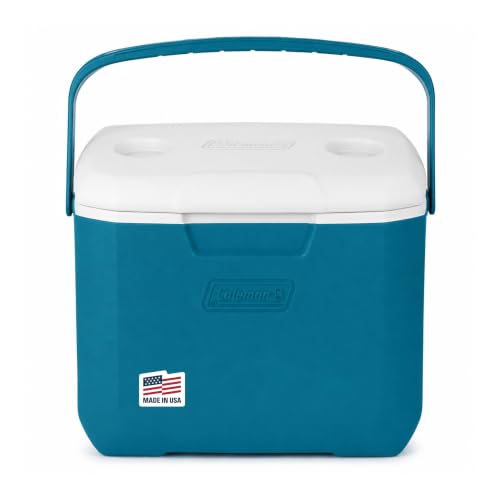
STAYS COLD FOR WEEKEND TRIPS: Coleman TempLock foam insulation holds ice-cold temperatures for up to 48 hours, so drinks and snacks stay chilled from the drive out to the final pack-up

FROSTVAULT TECHNOLOGY: Cold transfers into FrostVault Dry Zone to keep food cool, dry and separate at food-safe temperatures (under 40° F) for days.
Overpacking Perishables
Because you’re staring at a half-empty cooler of wilted lettuce and warm yogurt, you already know that bringing every perishable item from your fridge was a mistake. You overestimated your cooler size and sacrificed space optimization for panic packing.
Perishables shrink to 60–70% of their packed volume, so you’re paying to cool empty air. You need a two-to-one ice-to-contents ratio, but crammed contents block circulation and kill ice retention. Every extra item forces more openings. Each blast of warm air slashes shelf life.
Here’s what you’re feeling right now:
- You packed four gallons of milk for a two-night trip.
- You opened the lid twelve times before noon.
- You watched your ice vanish while the drinks stayed hot.
- You smelled cross-contamination where compartments should’ve been.
Group items by shelf life. Segregate drinks into separate coolers. Reserve top space for ice packs. Pack only what you’ll actually eat.
Ignoring Ice Ratios
Overpacking perishables teaches you one hard lesson: empty cooler space isn’t your enemy, ice math is. You can’t ignore ice ratios when sizing your cooler for camping. The two-thirds rule demands two parts ice to one part perishables. Skip this, and your cooling efficiency collapses.
You probably eyeball cooler size by food volume alone. That’s a mistake. Ice retention suffers when you cram 70% food and scrape by with 30% ice. Your storage capacity shrinks faster than you’d expect.
Pre-chill your cooler and contents first, or you’re burning ice on warm plastic and room-temperature drinks.
Smart meal planning accounts for this upfront. You buy the right cooler size, pack proper proportions, and your ice lasts the full trip. Get the ratio wrong, and you’ll re-ice daily, bleeding money and space.